Biodiversity COP and Climate COP: is agriculture a cause of or a solution to global issues?
Event8 October 2026
Biodiversity COP17 will be held in Yerevan, Armenia, from 19 to 30 October 2026, followed by Climate COP31 in Antalya, Türkiye, from 9 to 20 November. Agriculture is now one of the sectors up for discussion these international talks. It is often targeted as a cause of climate change and biodiversity loss, but it is also a victim of the changes and one of the solutions. CIRAD will again be at thesemajor international meetings, to shed light on the discussions of the interactions between agriculture, biodiversity, climate and health, based on concrete scientific results relating to the issues under debate.
Some 37% of greenhouse gas emissions come from food systems, and if we continue with our current agricultural models, the figure could reach 65% by 2050 (IPCC, 2022). The impact of land use changes, agricultural intensification and pesticide use on biodiversity and climate is already clear. However, agricultural issues were only belatedly added to the agenda for the Climate and Biodiversity COPs.
Scientific results have confirmed the unique mitigation potential of agriculture and more generally of the land sector (including forests and natural environments), by reducing greenhouse gas emissions and sequestrating carbon in soils and biomass. Adopting agroecological practices can reduce synthetic pesticide use, while inclusive governance models serve to reconcile ecosystem preservation and agricultural production, to guarantee food security for local communities. CIRAD is working with its partners on these types of more sustainable strategies, to foster the capacity of farming systems in the global South to adapt to climate change and preserve and make better use of biodiversity within farming systems.
CIRAD at Biodiversity COP17
This year's Biodiversity COP is important, as it comes at a time when the aim is no longer to set targets, but to take a realistic look at how things stand and to step up action.
Servane Baufumé
International Affairs and Science-Policy Officer
In particular, Biodiversity COP17 will take stock of progress on implementing the Kunming-Montreal Global Biodiversity Framework (KMGBF) adopted by 196 countries in 2022. An initial report was released this summer, concluding that it is crucial that we step up action. At this COP17, member countries will therefore be expected to pinpoint the concrete actions that work, the weaknesses and the gaps, in order to take decisions that will serve to reach or to revise the objectives set by the KMGBF for 2030.
CIRAD will be at Biodiversity COP17 to stress how conserving, restoring and mobilising biodiversity can help preserve ecosystems and support global food security, thus serving to alleviate poverty.
CIRAD delegation at Biodiversity COP17:
Servane Baufumé, International Affairs and Science-Policy Officer
Selim Louafi, Deputy Director General in charge of Research and Strategy
Charles Doumenge, researcher specialising in tropical forest ecology and biodiversity conservation
Charlotte Hourdin, Executive Secretary, PRETAG initiative
As regards the Climate COP, it's rollout time! Following the COP21 Paris Agreements, after several years of holding talks, defining new action frameworks, and making commitments, there is now a determination to switch to concrete, measurable and verifiable action. In particular, the aim is to speed up the reduction in GHG emissions, boost adaptation to the effects of climate change and release the funding required for implementation.
Vincent Blanfort
Agroecologist and Climate Change Officer
The transition to more sustainable food systems and fair agriculture is now on the climate agenda. At COP31, the agricultural sector will be basing itself on the Sharm el-Sheikh joint work, which is due to end this year. The aim is to make formal decisions on the implementation of concrete actions in favour of agriculture and food security.
CIRAD will be at Climate COP31 to suggest integrated, sustainable ways of rapidly improving the productivity, resilience and carbon balance of production and processing systems.
CIRAD delegation at Climate COP31:
Vincent Blanfort, Agroecologist and Climate Change Officer
Emma Jagu Schippers, climate economy researcher
Marie Hrabanski, public climate change policy researcher (remote)
Desertification, biodiversity, climate: three conventions, three issues, the same challenge
Desertification COP, Biodiversity COP, Climate COP… environmental issues are currently discussed in three separate conventions, but all field players agree that they are closely linked. Farmers, local communities, territories, cities and States currently simultaneously face problems linked to climate change, drought, biodiversity loss and soil erosion. The issue this year is therefore also to begin bolstering the synergies between the three COPs, to better coordinate responses to the growing number of environmental crises.
CIRAD's research has revealed concrete solutions for acting in an integrated way in favour of climate, biodiversity and land, by generating shared benefits rather than addressing the issues separately and sometimes generating antagonisms.
CIRAD's scientists reported on the Desertification COP and presented the main issues for upcoming COPs at an online media briefing.
What solutions can agriculture offer to environmental issues?
CIRAD is involved in numerous projects worldwide, aimed at building more sustainable, resilient food systems.
Pastoralism as a solution to environmental challenges
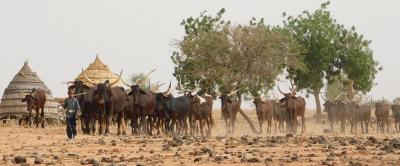
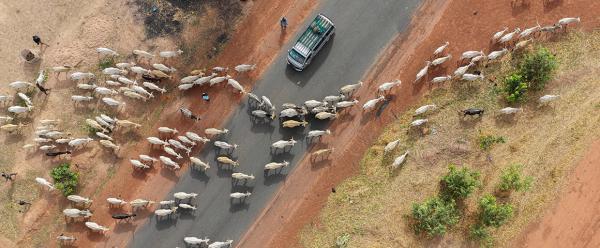
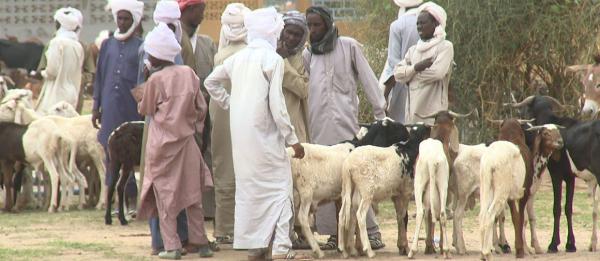
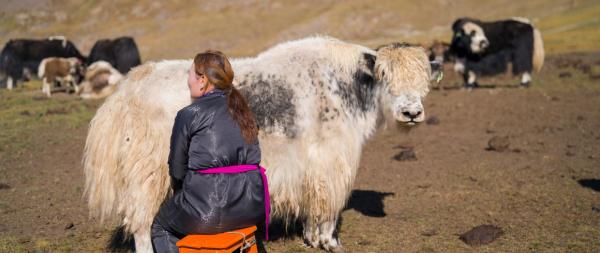
One aspect of particular interest at the moment is the convergence of CIRAD's research around an integrated approach to livestock farming-climate-biodiversity-land. CIRAD now presents pastoralism not just from the angle of livestock production, but as a social ecosystem, combining herd mobility, carbon stocks in soils and vegetation, biodiversity, land restoration, food security and public policy. This is the approach advocated throughout 2026, the International Year of Rangelands and Pastoralists.
Rangelands and pastoralists will be centre-stage in 2026, with a United Nations International Year. This unprecedented initiative shines the spotlight on their role and expertise, which are central to a number of global issues: climate change, biodiversity, food security and social justice.
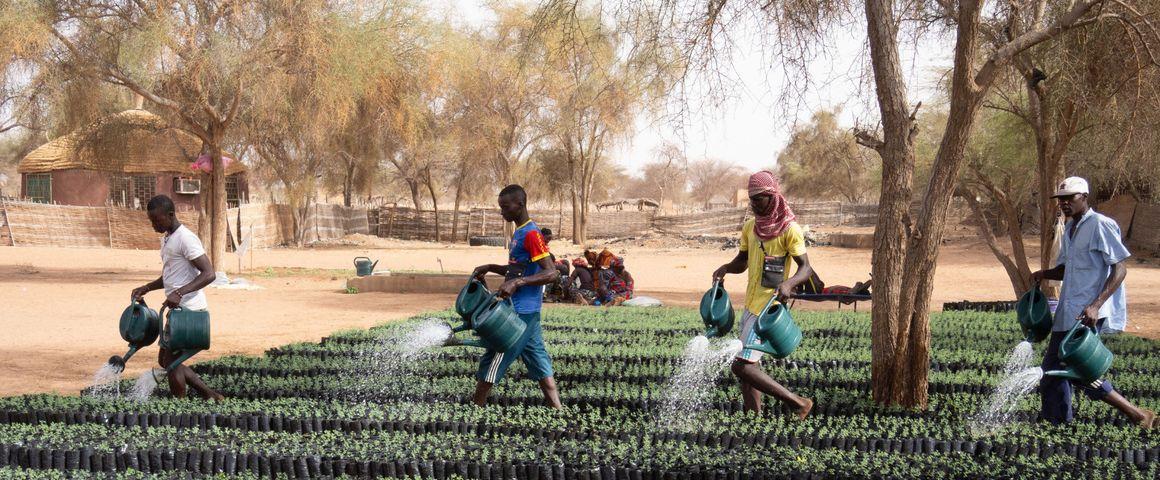
Pastoral societies contribute to the sustainability of global food systems, but are currently under threat. The PRAPS 2 project aims to help pastoralists in the Sahel become more resilient.
The goal of the PRAPS-2 project is to increase the resilience of pastoralists and agro-pastoralists in certain target areas in the Sahel region. It follows on from the PRAPS-1 project, a structural project on research and development issues in agropastoral systems in the Sahel and West Africa (phase 1: 2015-2021; phase 2: 2022-2027).
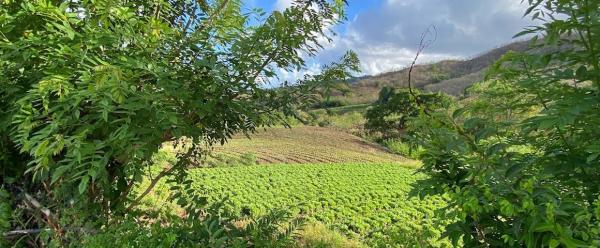
The One Limpopo One Health initiative covers human, animal and environmental health issues. It is investigating what type of biodiversity could be maintained in the Limpopo National Park buffer zone in Mozambique, alongside farming practices and how they affect people's wellbeing. The aim is to work with local players to define management methods suited to this specific territory, where market gardening, rainfed agriculture and extensive livestock farming co-exist.
Reducing pesticide use
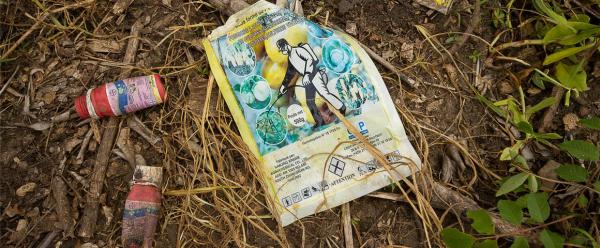
In response to the impact of synthetic pesticides on human health, biodiversity and natural resources, the PRETAG initiative has issued a roadmap to reduce pesticide use and support a transition to more sustainable farming systems.
In view of the impacts inorganic pesticides have on human health, biodiversity and natural resources, reducing their use and banning the most dangerous among them is a major issue for tropical agriculture. In its latest policy brief, CIRAD, through the PRETAG initiative, suggests a roadmap to support a transition to more sustainable farming systems.
In Martinique, for instance, the ECOPHYTO PUMAT project has studied the conditions for reducing the island's market garden sector's dependence on phytopharmaceuticals.
The ECOPHYTO PUMAT project to build an attractive market gardening sector in Martinique has studied the conditions for making the market gardening sector in the West Indies dependent on phytosanitary products, while preserving the economic viability of the farms concerned. The project is led by CIRAD with its partners, and has served to analyse producer practices, consumer expectations and the dynamics that structure market garden value chains. Following field surveys of more than 400 farmers and more than 500 consumers in Martinique, the project has just reported its conclusions, which highlight the possibilities of agroecological transition, provided all the players in the value chain are involved to overcome the current obstacles.
Conserving and exploiting field diversity in response to climate change
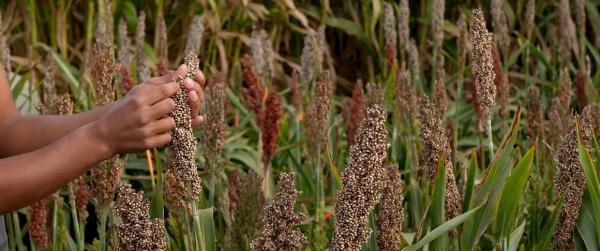
Some plants, such as sorghum, a cereal that is particularly resistant to climate change and is primarily grown in Africa, are increasingly grabbing the attention of researchers and farmers in France and across the world.
This summer's repeated heatwaves have hit the maize crop in mainland France hard. Livestock farmers who grow their own fodder crops will have to tap into their stocks this winter, or buy animal feed. Might sorghum, which requires 30% less water on average, have withstood the heat better? And might there soon be a French sorghum value chain to feed humans too?
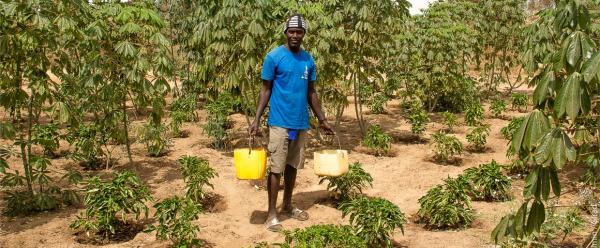
Crop associations/intercropping and agroforestry have substantial potential to transform food systems long term and are a major lever for improving food security worldwide.
A wide-ranging meta-analysis based on data from 60 countries, conducted by scientists from CIRAD and published in the journal Nature Sustainable Agriculture, demonstrates the untapped potential of intercropping. This cropping practice could well be a major lever for boosting food security worldwide, against a backdrop of growing land use and climate constraints.
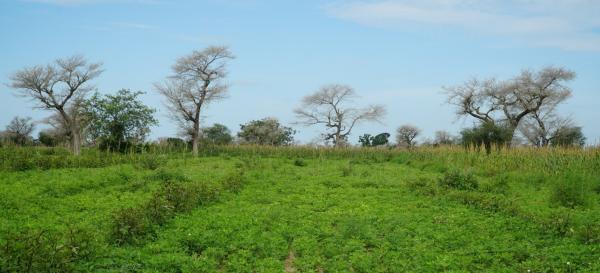
As the world races to reduce carbon emissions, a new scientific review published in Nature Climate Change underscores the untapped potential of agroforestry as a natural climate solution in the fight to secure a sustainable future. The review was led by global environment nonprofit The Nature Conservancy (TNC) in collaboration with other internationally recognized organizations, including CIRAD.
The world over, crop diversity plays a central role in making farmers in arid zones more resilient, as it stabilises agricultural production in the light of climate variability.
The Morocco International Agricultural Show (SIAM) began in Meknes on 21 April. For CIRAD, it is an opportunity to discuss the shared challenges facing agriculture in the Mediterranean. The topics to be addressed include cultivated diversity, a way of making farming systems more resilient in the light of climate change. We talk to Salama El Fatehi, a researcher at Abdelmalek Essaadi University in Larache and member of the ARISER project, on seed circulation in semi-arid zones.