




















Just out 6 October 2026

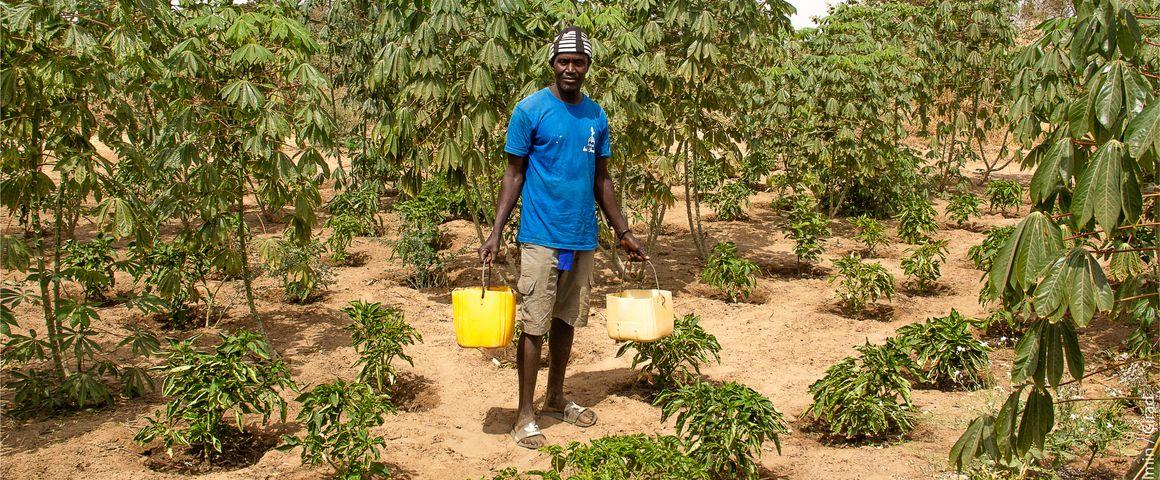
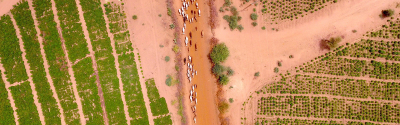
Intercropping peppers and cassava in Senegal © R. Belmin, CIRAD
Intercropping, which consists in planting several crops side-by-side in a given plot, is a pillar of agroecological transition. By making use of the positive interactions between plants, it has major potential to transform food systems sustainably.
A recent study was based on a vast database of 4195 observations from 334 studies in 60 countries.
By deciphering the mechanisms of successful intercropping on a global scale, this meta-analysis by CIRAD identified the levers for fully exploiting the potential of this cropping strategy. The effects of intercropping on yields had hitherto been difficult to forecast, with contrasting results depending on local conditions and from one study to another.
Until now, the complexity of biological interactions made yields unpredictable. Using machine learning to analyse plant functional traits—such as height or sowing density—allowed us to decipher some of the factors that determine the success of intercropping. Our study went beyond just observing results: it revealed the mechanisms that can be used to design bespoke, high-yielding systems on a global scale.
The researchers characterised the soil and climate conditions and specific traits of each crop for each of the studies considered. They used machine learning algorithms to identify the factors that account for variations in performance. Their analysis showed that the success of intercropping depends first and foremost the system's capacity to foster complementarity between species rather than competition for resources.
Three key levers optimising yields emerged:
Adopting optimum strategies in terms of these aspects revealed considerable untapped potential to increase production of the main cereal crops.
To apply these results, the researchers modelled intercropping rollout scenarios for optimum crop mixtures on a global scale.
An optimum rollout of crop mixtures on existing farmland would theoretically allow a substantial increase in global output, with up to +62% for maize or +6.3 % for barley.
All in all the scenarios showed that intercropping maize and soybean could increase global maize output by 702 million tonnes.
The results proved that optimum intercropping systems are a major lever for increasing yields sustainably, while preserving natural resources. Further research is now required to assess the cost-effectiveness and contribution to ecosystem services of intercropping systems, to steer their widespread adoption.
Ruillé, M., Beillouin, D. & Prudhomme, R. Ecological drivers of intercropping performance for enhanced global crop production. npj Sustain. Agric. 4, 8 (2026). https://doi.org/10.1038/s44264-025-00110-z
Just out 6 October 2026
Just out 24 June 2026

Just out 12 June 2026