









Event 8 October 2026

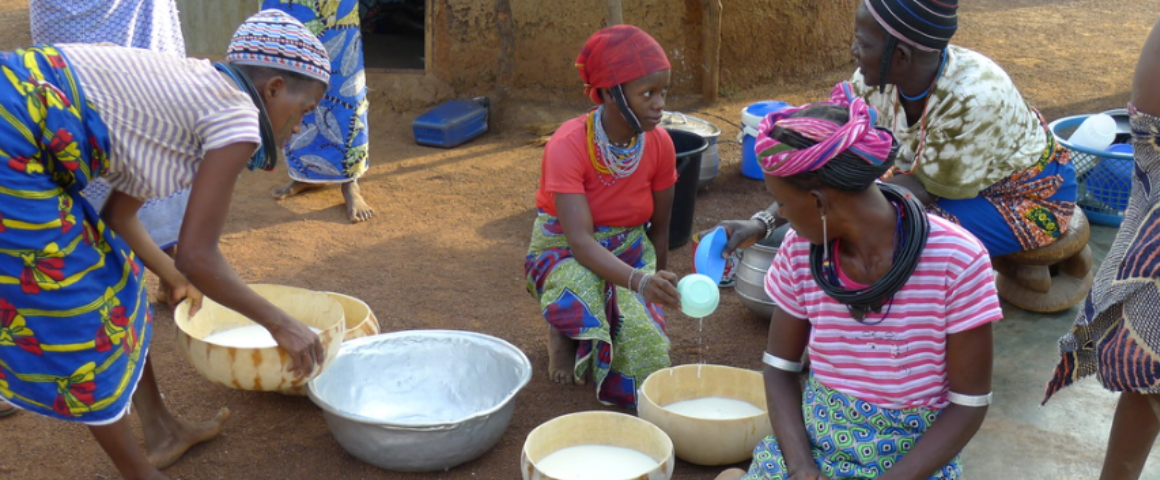
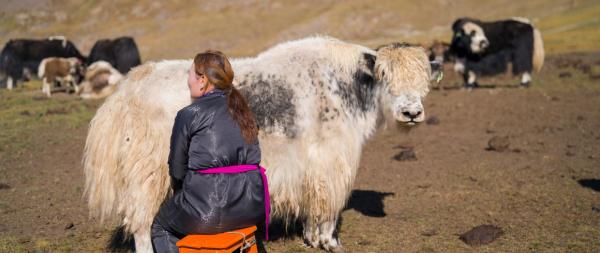
In Benin, after milking, the milk is split between sales to dairies, cheese or butter production, and self-consumption, depending on who owns and herds the livestocks © G. Duteurtre, CIRAD
In a global context subject to a range of crises, the dairy value chain, like all other agricultural and food value chains, faces growing uncertainty and instability, which brings risks and consequences such as increased malnutrition and hunger.
The fifth edition of the "Lait, vecteur de développement" meetings will therefore be looking at the various aspects of dairy development, allowing scientists, international bodies, grassroots players and economic and political decision makers from both North and South to express themselves. "This mix of viewpoints and experiences is both the essence and the main advantage of these meetings", says Christian Corniaux, dairy value chain research coordinator at CIRAD and co-organiser of the event.
The aim of this 5th edition is to improve coordination of activities around milk and dairy products and build solutions tailored to local issues, to ensure sustainable development of the dairy value chain by a responsive, inclusive international network.
The event, with an expected 150 participants, will foster exchanges of experiences in terms of the range of dairy development models that exists worldwide.
The topics covered will be based on the changes in local dairy value chains in the light of the uncertain international situation. The idea is to encourage and federate players from the dairy sector, highlight local experiences while placing them in their international context, and present different situations in other countries, to discuss, draw inspiration from and pool the best practices.
The discussions and debates at this 2026 edition will be spread across four thematic sessions and a roundtable on milk collection in West Africa. Alongside the event, there will be an innovation fair to foster talks between experts and grassroots players, followed by a field trip to a local industrial site and farm on 14 May.
The four thematic sessions
West Africa produces some five billion litres of milk (all animal species combined) each year. For want of efficient collection systems, dairies process less than 100 million litres, or under 2% of the potential total. At the same time, West Africa imports the equivalent of seven billion litres to satisfy the strong growth in demand from urban consumers. Of around a hundred industrial dairy firms in West Africa, only around twenty collect milk locally. All, or almost all, of them use imported powdered milk as a raw material. Developing local milk collection is a major challenge for livestock policy and development projects.
Local milk could play a major role in producing high-added-value products, and in securing the livelihoods of livestock farmers in periurban and rural areas.
This 2026 edition would not have been possible without the support of the following technical and financial partners:
Event 8 October 2026
Event 2 October 2026