







Science at work 14 October 2026
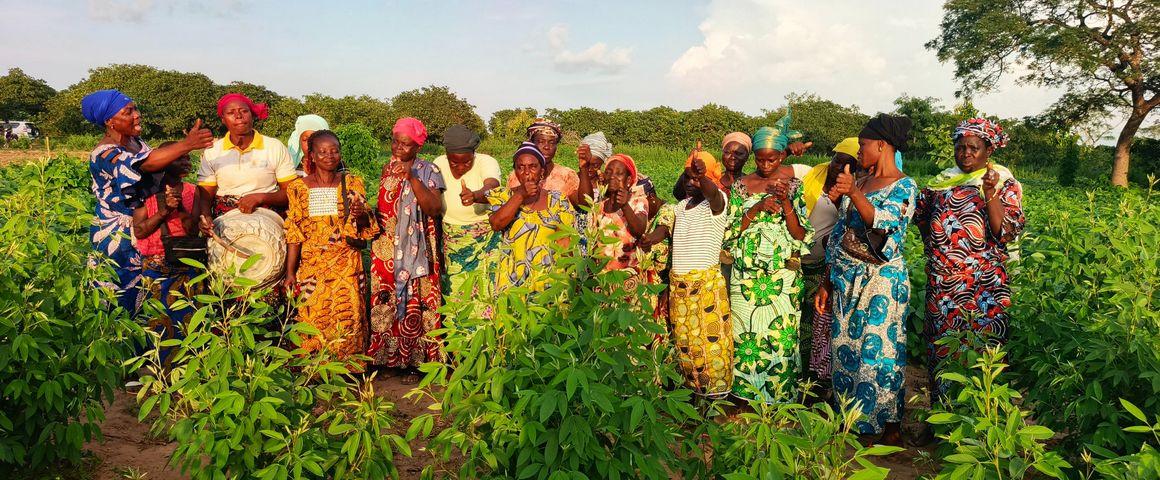
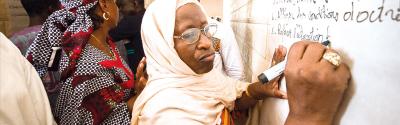
Women belonging to the national association of women farmers in Benin (ANaF) © FiSeLAE project
Marguerite Mbakouga is a farmer from Ntui, in Cameroon. She grows soybean, maize, yams and cassava. Her parents were farmers, and she learned alongside them from a very young age. At the age of 65, she is still learning and improving her practices.
Marguerite Mbakouga is involved in the LVAD project, along with other farmers. LVAD is a sustainable farming living lab, funded by the Organisation internationale de la francophonie (OIF), working to intensify crop farming in Ntui. CIRAD is one of the stakeholders in the initiative, alongside Cameroonian partners such as the Institut de recherche agricole pour le développement (IRAD) and the University of Yaoundé I, and international organisations such as the International Institute of Tropical Agriculture (IITA).
Thanks to the LVAD project, Marguerite Mbakouga has been trained to make fertiliser and in various agroecological practices. Agrifood processing workshops, particularly to make soy milk, are also on offer. In exchange, the scientists involved have learned more about the needs and practices of farmers in Ntui.
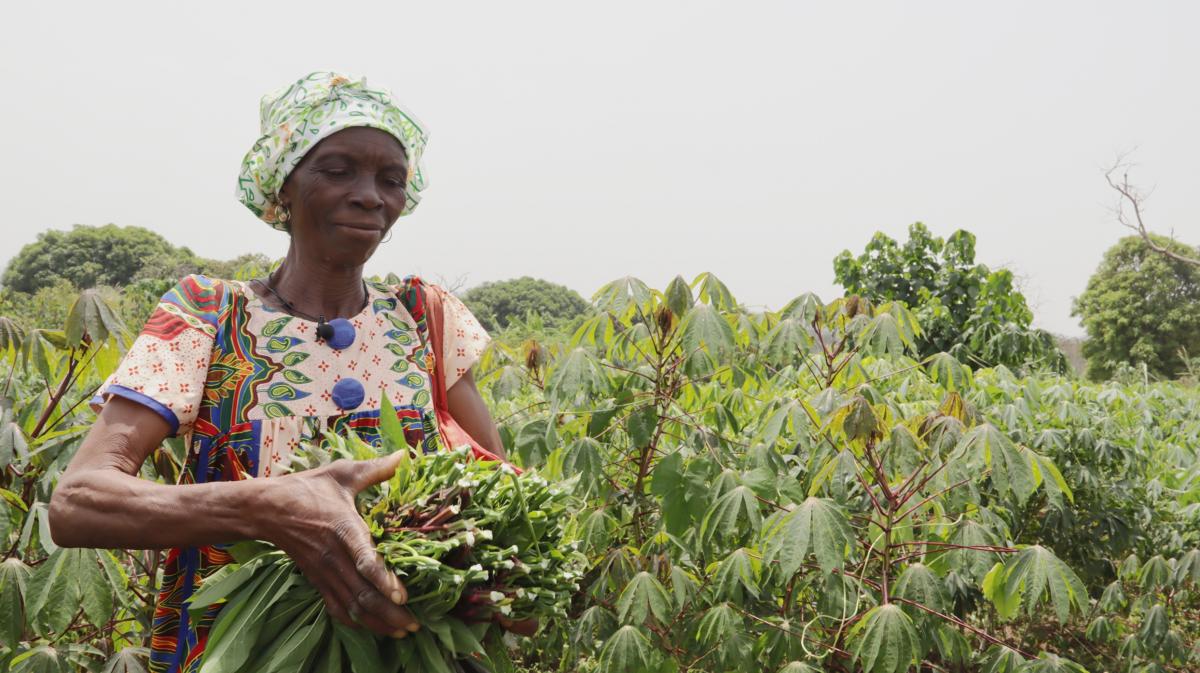
Marguerite Mbakouga in her cassava field in Ntui, Cameroon © S. Koutchou Mbougueng, CIRAD
Etiannah Andrianjafy is an agronomist who studied at the University of Antananarivo, and research assistant on the DINAAMICC project. As part of the project, she has developed a serious game called "Ti’Tantana", to encourage collective debate on sustainable biomass management (forests, grasslands, crop residue, manure, etc) in the Highlands of Madagascar. It allows players to play different roles, interact with resources and territorial dynamics, and learn about the impacts of their choices on different types of biomass and on the future of their territory.
Sustainable resource management is a major challenge in Madagascar, where rural communities are highly dependent on natural resources for crop and livestock farming, household energy and construction. In the Highlands, this means soil erosion, a reduction in agricultural soil fertility, and the steady shrinkage of resources, particularly wood and fodder.
The DINAAMICC project is helping address these issues by fostering a better understanding of these dynamics and encouraging the development of agroecological practices tailored to local territories.
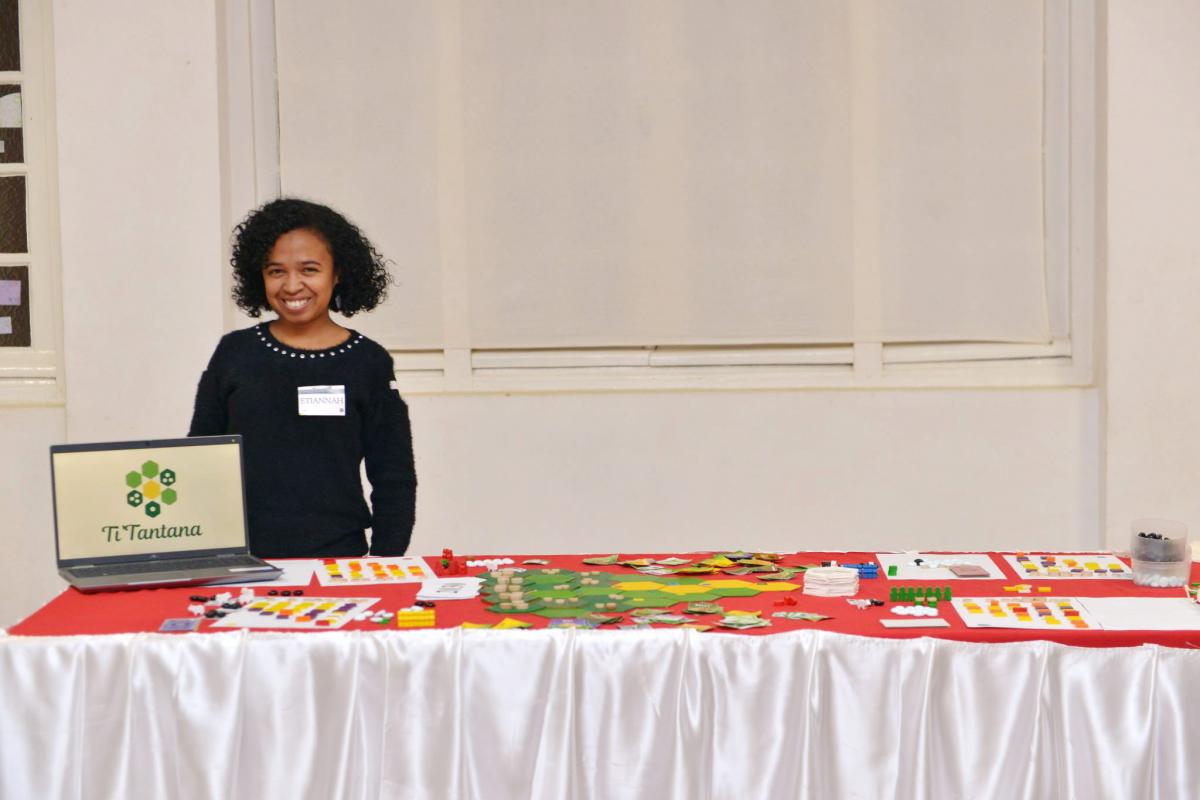
Etiannah Andrianjafy with the Ti’Tantana board game, during a training course for future game leaders © M. Vigne, CIRAD
Maria Oenice de Oliveira Xavier is a farmer and Chair of the Paragominas Rural Communities Forum. The association is one of CIRAD's main partners in terms of its ecological transition and collective organisation activities in the municipality of Paragominas, Brazil.
The Forum is currently involved in low-carbon development initiatives, to neutralise the municipality's emissions by 2030. Operations are being coordinated by means of the municipal "Paragoclima" programme.
Maria Oenice de Oliveira Xavier has helped with the introduction of agroforestry systems, combining several tree crops with cassava or beans. In the municipality, agroforestry often replaces wasteland, with soils that have become degraded as a result of repeated burning. These systems are being set up with the support of the Imazon NGO and CIRAD.
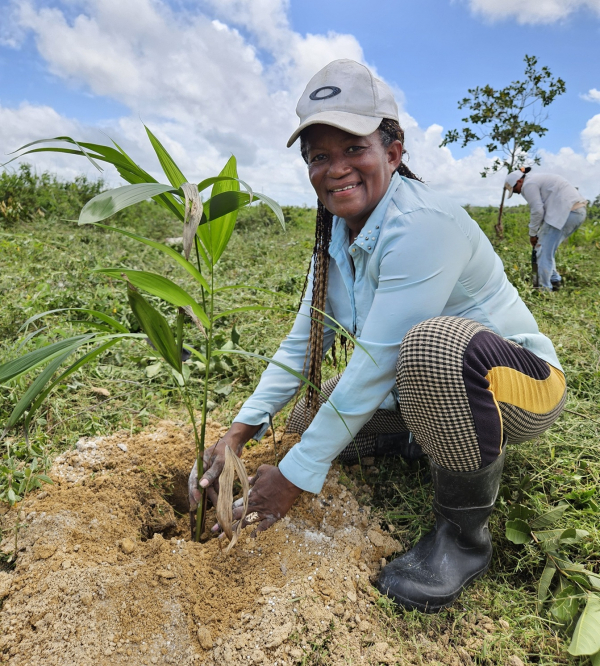
Maria Oenice de Oliveira Xavier planting an açaí plant in the middle of a green manure cover, on a farm in the municipality of Paragominas © Ravena Figueiredo
Lò Thị Quyết, who is 49, lives in Mường Chanh (formerly Chiềng Chung), in Sơn La province, Vietnam. For many years, she worked for local organisations, notably as Chair of the municipal farmers' union, and has more than 20 years' experience in the agricultural sector. She is also involved in the ASSET project, coordinated by CIRAD, which aims to support the development of more sustainable farming and food systems in Southeast Asia. For Lò Thị Quyết, the project has allowed her to talk to farmers, share farming techniques and support their rollout in the field.
Within the local community, women are very involved in agricultural activities, be it crop or livestock farming or farm monitoring, in addition to their family and household responsibilities. The introduction of new techniques and machinery has helped make agricultural work more efficient and less arduous, by cutting work times and allowing farmers to diversify their activities or find additional sources of income. Women are thus continuing to play a vital role in agricultural production, family life and community activities.
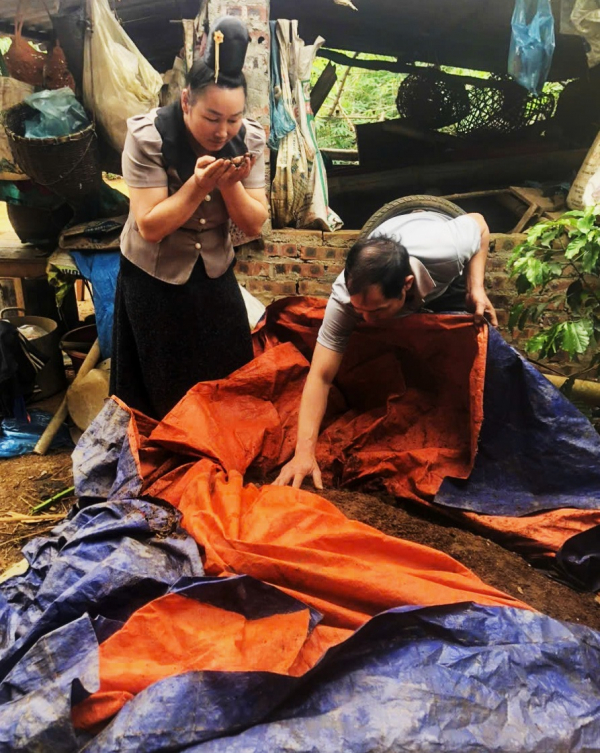
Lò Thị Quyết and a staff member from the ASSET project observe the quality of a silage heap during technical monitoring with farmers from the municipality of Mường Chanh, Vietnam. Silaging, a technique introduced and supported by the ASSET project, serves to keep fodder to feed livestock during the dry season © ASSET project, CIRAD
Zhour Bouzidi is a sociologist and agricultural engineer. She is a teacher researcher at Moulay Ismaïl University in Meknès, specialising in issues surrounding water resource management and the participatory mechanisms that communities can use to manage water supplies in their territory sustainably.
Zhour Bouzidi is also working to document and understand the role of rural women and the constraints they face. She is co-author of a recent issue of the journal Alternatives Rurales on women agricultural workers in North Africa.
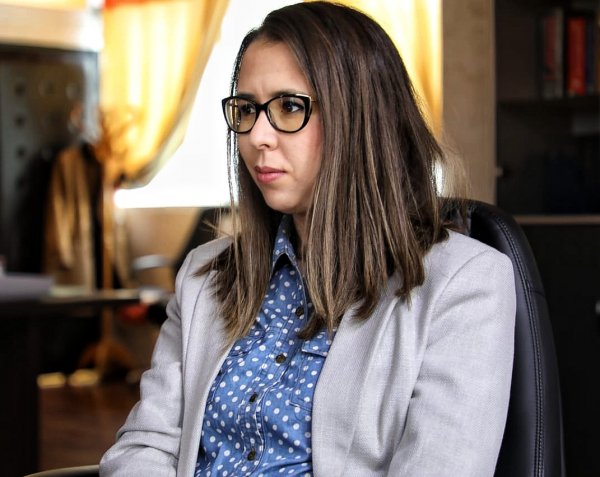
Zhour Bouzidi © DR
Yoleida Isabel Salcedo is a rural leader, the legal representative of Asoagropat (Asociación Agroempresarial Nueva Pativaca). This is an organisation of smallholders in the El Salado sector of Carmen de Bolívar municipality, a territory in Montes de María. CIRAD is working there within the framework of the Sustainable Agrifood Systems Intelligence initiative (SASi-SPi).
The association developed papaya production and processing after the armed conflict that particularly affected this territory in Montes de María. The traditional crop in the zone was tobacco, but buyers are increasingly scarce. Papaya grows well, despite the zone being arid.
The association now comprises 45 families that were displaced by the armed conflict and returned home some ten years ago. Yoleida is working to rebuild the social fabric of her community and improve living conditions for members and their families by means of agricultural entrepreneurship. She talks about the unhappy experiences of people in the territory in very moving poems that call for peace, confidence and hope in the future.
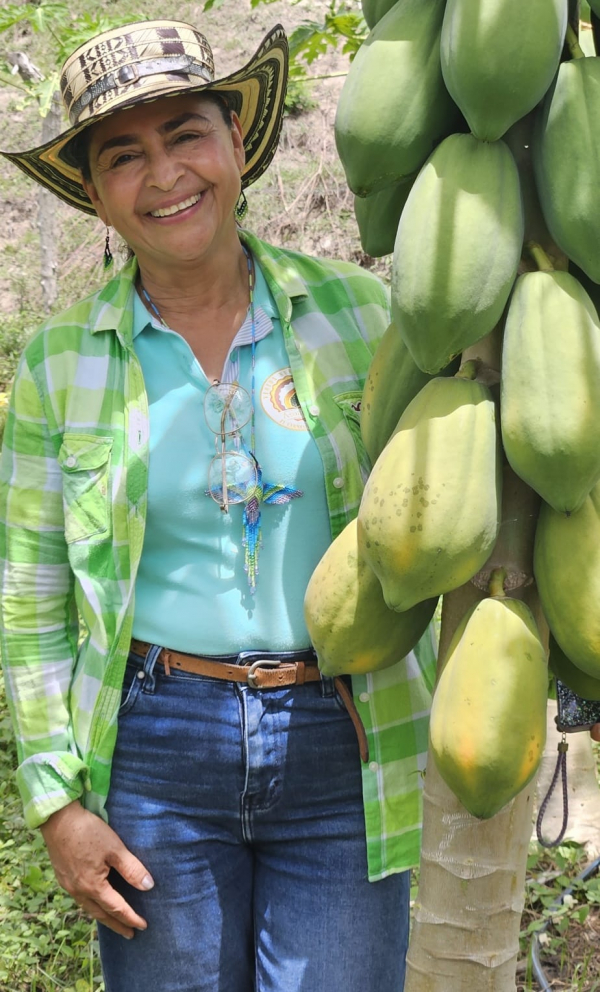
Yoleida Isabel Salcedo © M-H. Dabat, CIRAD
Daniela Florez is a CIRAD researcher, with its Ecology of the Forests of French Guiana (ECOFOG) research unit. She specialises in promoting the use of natural substances, and is currently working in Cayenne, French Guiana.
At the Cayenne herbarium, tree leaves are analysed using near-infrared spectroscopy (NIRS). The technique consists in measuring the characteristic chemical footprint of plant species and their tissues, in a rapid, non-destructive way. The tool has high potential for improving the identification of tree species, particularly in the Amazon rainforest, where many species are difficult to tell apart, even for experts.
This technique is hugely important for French Guiana, since it will: simplify forest inventories, make it easier to recognise species that could help satisfy demand for construction timber, improve wood product traceability, protect rare and threatened species more effectively and support the sustainable development of the local forestry-wood value chain.
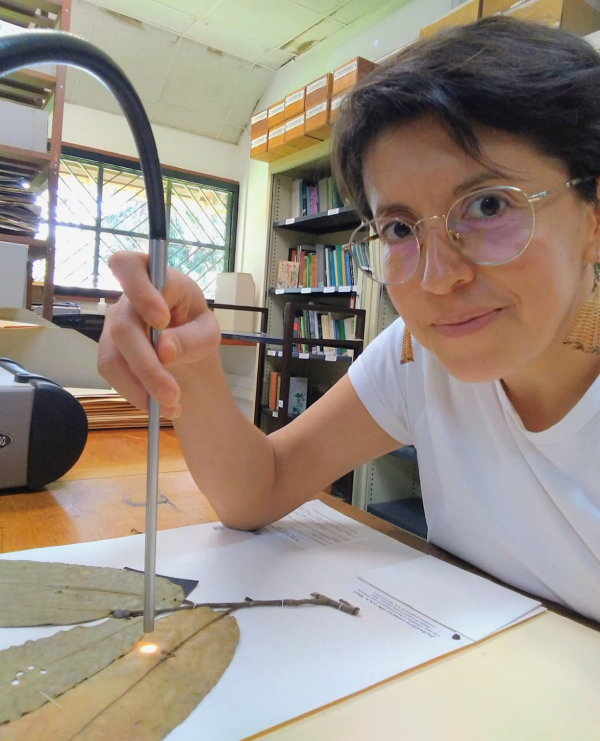
Daniela Florez © D. Florez, CIRAD
Professor Catherine Nkirote Kunyanga is Associate Dean of the Faculty of Agriculture at the University of Nairobi, Kenya. She specialises in food technology, and has internationally recognised expertise in the field. In particular, the French government awarded her a grant in August 2025 for a high-level scientific stay in France, during which she was able to meet several of CIRAD's research teams in Montpellier.
Prof. Catherine Kunyanga is currently the focal point for the partnership between CIRAD and the University of Nairobi, for various initiatives under way in Kenya, including the TRACE (Transforming agriculture for Animal, Crop, and Ecosystem health in the East African Rift) platform in partnership, inaugurated in November 2025, or the PEA3-SHIFT academic partnership project, which aims to train future agrifood industry managers in Kenya.
The TRACE platform is intended to contribute to better social ecosystem health in the African Great Rift, by promoting agroecology. This means fostering agroecological transitions to develop productive, healthy and sustainable farming systems. Agroecology and science-policy dialogue are central to TRACE's operations, and the platform is intended to become a pillar of regional scientific cooperation on agriculture.
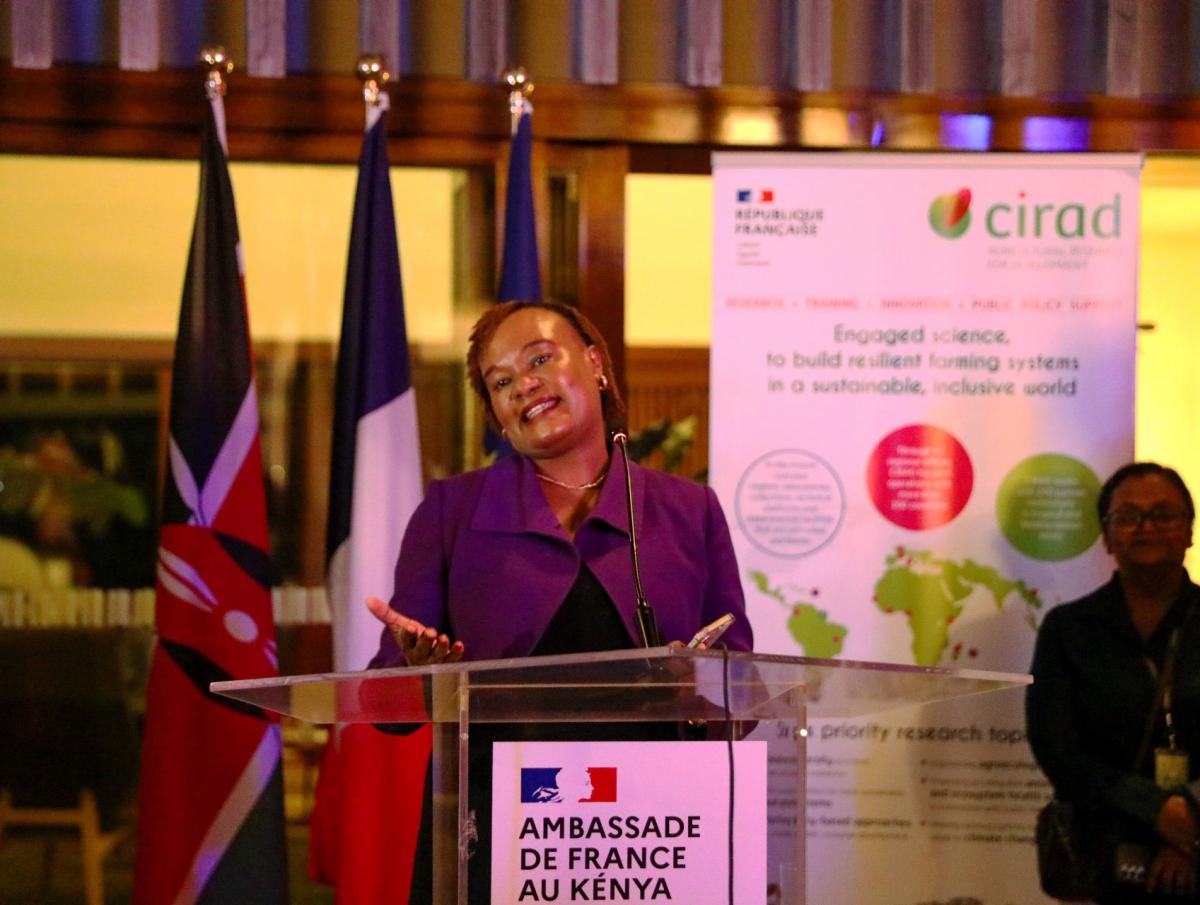
Prof. Catherine Kunyanga at the launch of dP TRACE in November 2025, at the French Embassy in Nairobi © University of Nairobi Media
Déborah Turpin is an agricultural technician with CIRAD. She is in charge of "marrying vanilla" at CIRAD's sites in Réunion. There are no insects on the island that can pollinate vanilla, so the plant has to be pollinated by hand, as Edmond Albius discovered in the 19th century.
Réunion is home to a vanilla collection that is the only one of its type in the world. It is managed by CIRAD, and has enabled the identification of a variety capable of resisting a devastating fungus: Fusarium. The varieties and species conserved by CIRAD can be exchanged with vanilla producers in the territory, who test them under field conditions.
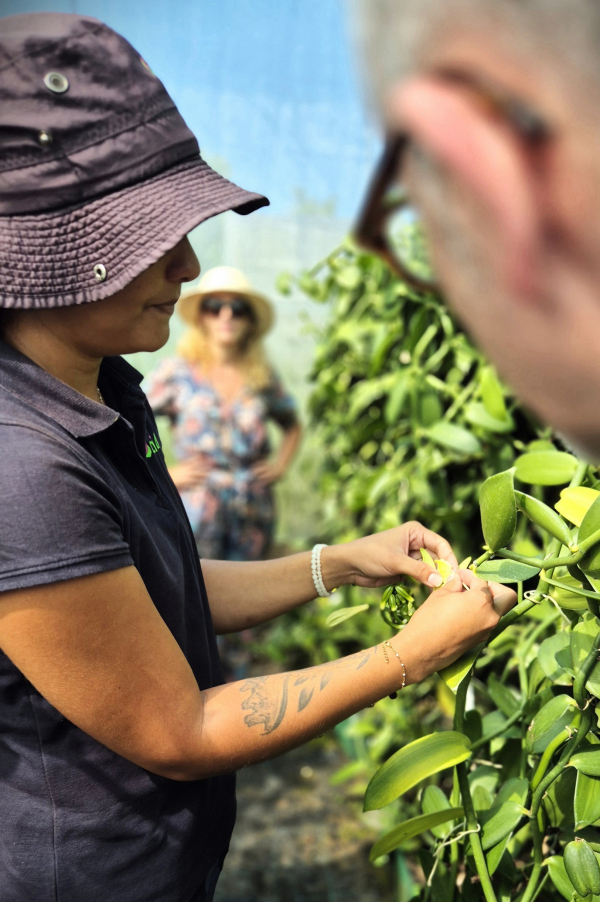
Déborah Turpin in the shade house on the Bassin-Plat experimental station © D. Josserond, CIRAD
The national women farmers' association in Benin Association (ANaF), founded in 2007, works to improve living and working conditions for women in the country's agricultural sector. It helps women manage their farms, and also to access value chains. To this end, ANaF offers several types of training, not just agricultural but also relating to marketing or commercial negotiations.
ANaF works in partnership with CIRAD on legumes, as part of the FiSeLAE project. The aim of the project is to support the development of legume value chains in the country by promoting sustainable crop techniques, but also by improving seed systems and access to quality seed for farmers.
For instance, farmer field schools (CEPs) and seed multiplication plots have been set up with producers to test the efficacy of several agroecological practices or seed viability.
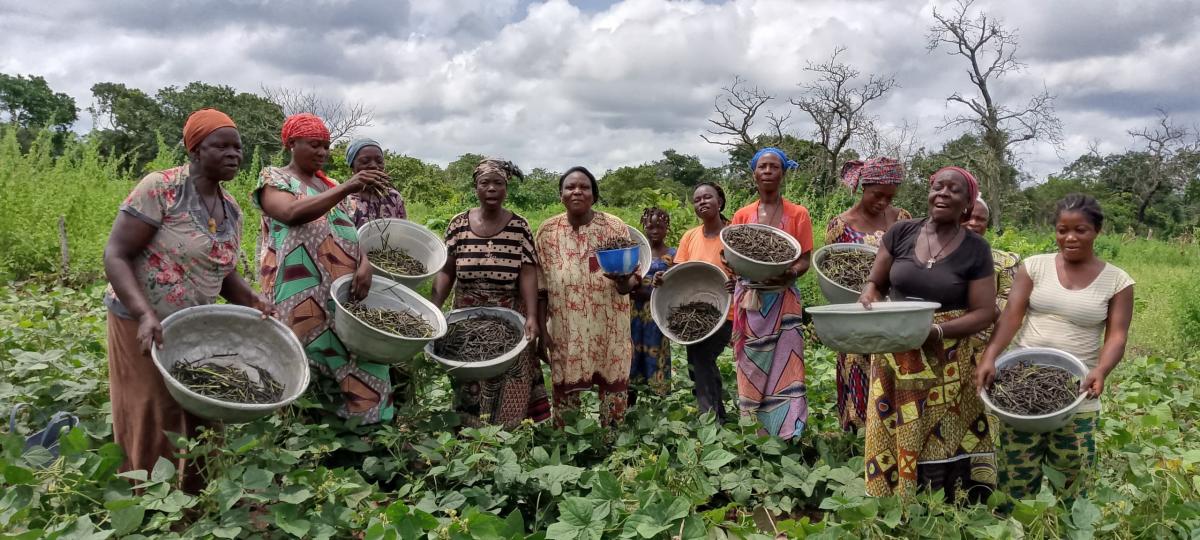
Producers belonging to the national association of women farmers in Benin (ANaF) © FiSeLAE project
In Palolo, on the Indonesian island of Sulawesi, the Public Microfinance Agency (PNM) is supporting family farms by means of microfinance schemes. Many women farmers benefit from the aid. In 2025, the Indonesian Ministry of Planning (Bappenas) and PNM launched the IndoKAKAO project, which aims to support smallholders in the cocoa value chain, particularly women and young people.
The project participants will be able to benefit from technical training, for instance in postharvest practices. Access to microfinance should be facilitated, as should access to markets via commercial partnerships with international chocolate makers.
IndoKAKAO is funded by the French Ministry of Europe and Foreign Affairs. CIRAD is a stakeholder, and is working with Indonesian scientific partners such as the Agricultural Assembly and Modernization Agency (BRMP), the Indonesian Coffee and Cocoa Research Instititute (ICCRI), the Stiper Institute of Agriculture (INSTIPER), and private players (Chocolate Bean to Bar Indonesia Association, JIKA chocolates), associations and cooperatives.
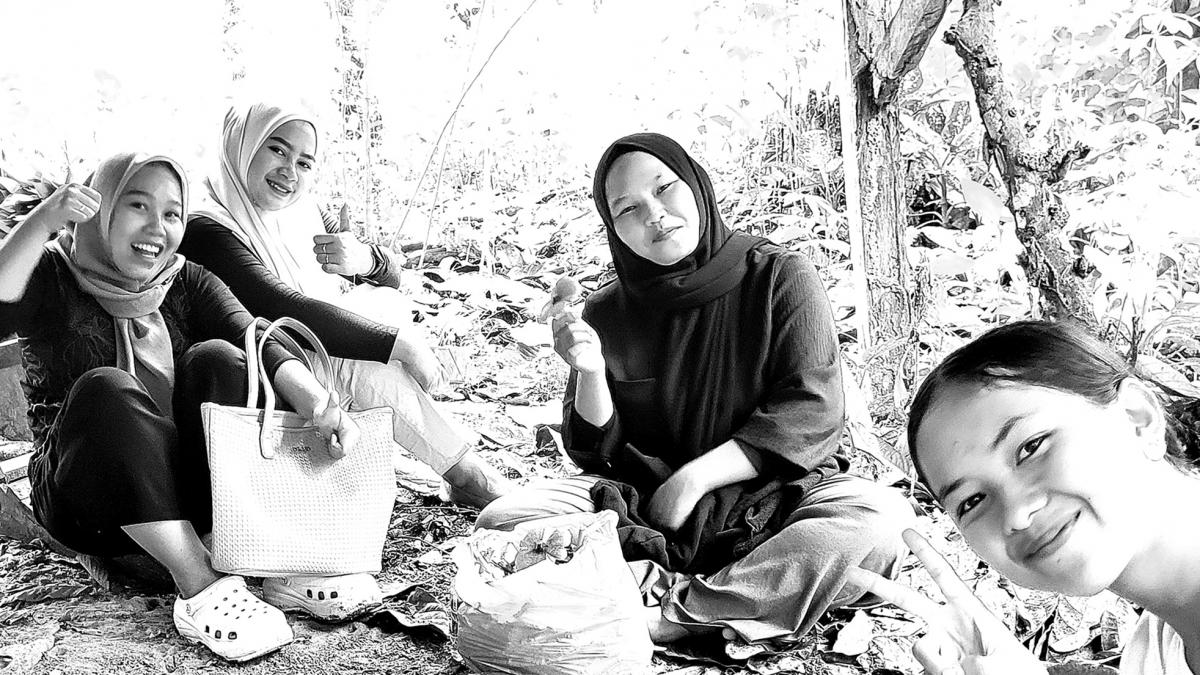
Women farmers accompany scientists during a field survey on microfinance in Palolo, in the heart of a cocoa plantation funded by mirofinance schemes. The daughter of one of the farmers, in the foreground, is also employed by the public microfinance agency © F. Bourg, CIRAD
Bottomland rice growing is an ancestral practice in Lower Casamance. The region was long seen as the "agricultural granary" of Senegal, but as a result of climate change and deforestation, seawater inflow is increasingly common, making rivers saltier.
To tackle the issue, CIRAD is working with SAED, the national firm set up to develop and exploit the land in the Senegal River delta and the Senegal River and Falémé River valleys. The two institutions are working on irrigated rice growing in the North, in partnership with several Senegalese and French research organisations and with support from the Agence française de développement.
An incubator project has also been launched, in the South of the country, to coordinate scientific work on salinisation more efficiently. PRATAM, for "potential for resilience and auto-determination in threatened agricultural territories", brought together the Institut sénégalais de recherches agricoles (ISRA), Assane Seck University in Ziguinchor (UASZ), the University of Bern (UNIBE), CIRAD and the French National Research Institute for Agriculture, Food and Environment (INRAE). Producers in the region have been surveyed.
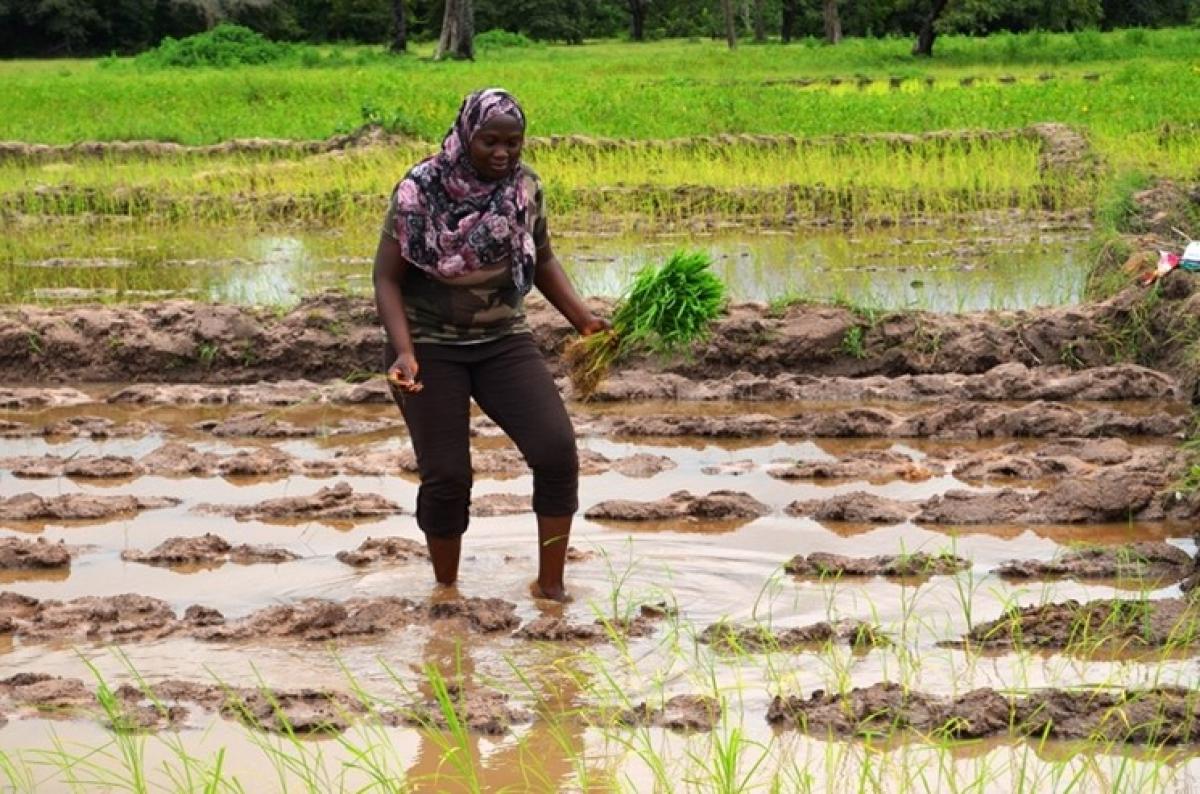
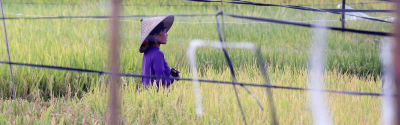
Senegalese farmer in her rice paddy in Lower Casamance, Senegal © Malick Djitté, Fédération des Organisations Non-Gouvernementales du Sénégal (FONGS-Action paysanne)

Science at work 14 October 2026
Science at work 7 October 2026
Science at work 30 September 2026