












Science at work 14 October 2026
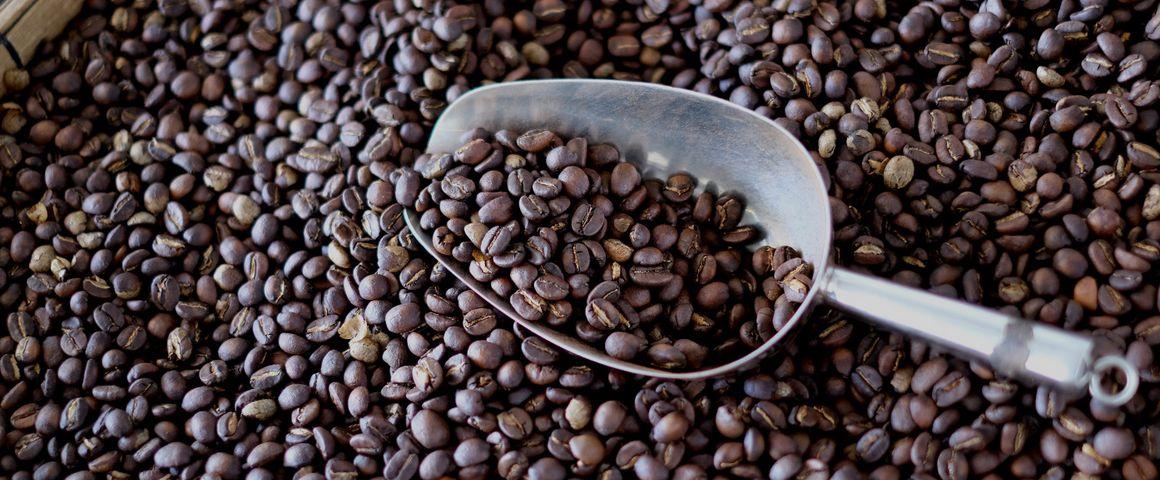
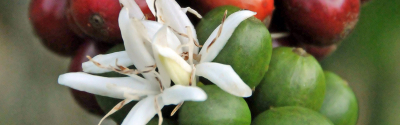
Freshly roasted Arabica coffee beans © A. Rival, CIRAD
For several years now, Kenya has been working on a major restructuring of its coffee value chain. The country recently launched the Coffee Act 2026, which affirms its political will to make Kenyan coffees more competitive in a global market currently estimated at 500 billion dollars. Several legal tools are due to be rolled out, which could include geographical indications (GIs).
On 24 March, the Alliance Française de Nairobi hosted an expert discussion on GIs and their potential for the Kenyan coffee value chain. Around the table were national institutions, producer organisations, the financial sector, market operators and the world of research (CIRAD). All the participants shared the view that GIs are not a technical matter, but a tool for structuring and organising value chains.
As Prof. Joseph Kieyah, Chairman of the Coffee Sub-Sector Reforms Implementation Standing Committee, said, the discussions of GIs mark a turning point for the coffee value chain in Kenya. What is now required is a debate on demand, and not merely on production. Kenya has an undeniable comparative advantage: the diversity of its terroirs (the volcanic regions of Mount Kenya, the Rift Valley and the West), which is already recognised on speciality markets. Operations must now be structured to maximise the chances of accessing those markets, and GIs are a good potential lever for this.
From Prof. Kieyah’s point of view, GIs are simultaneously an economic, strategic and political opportunity, provided they are rapidly included in the current institutional dynamics.
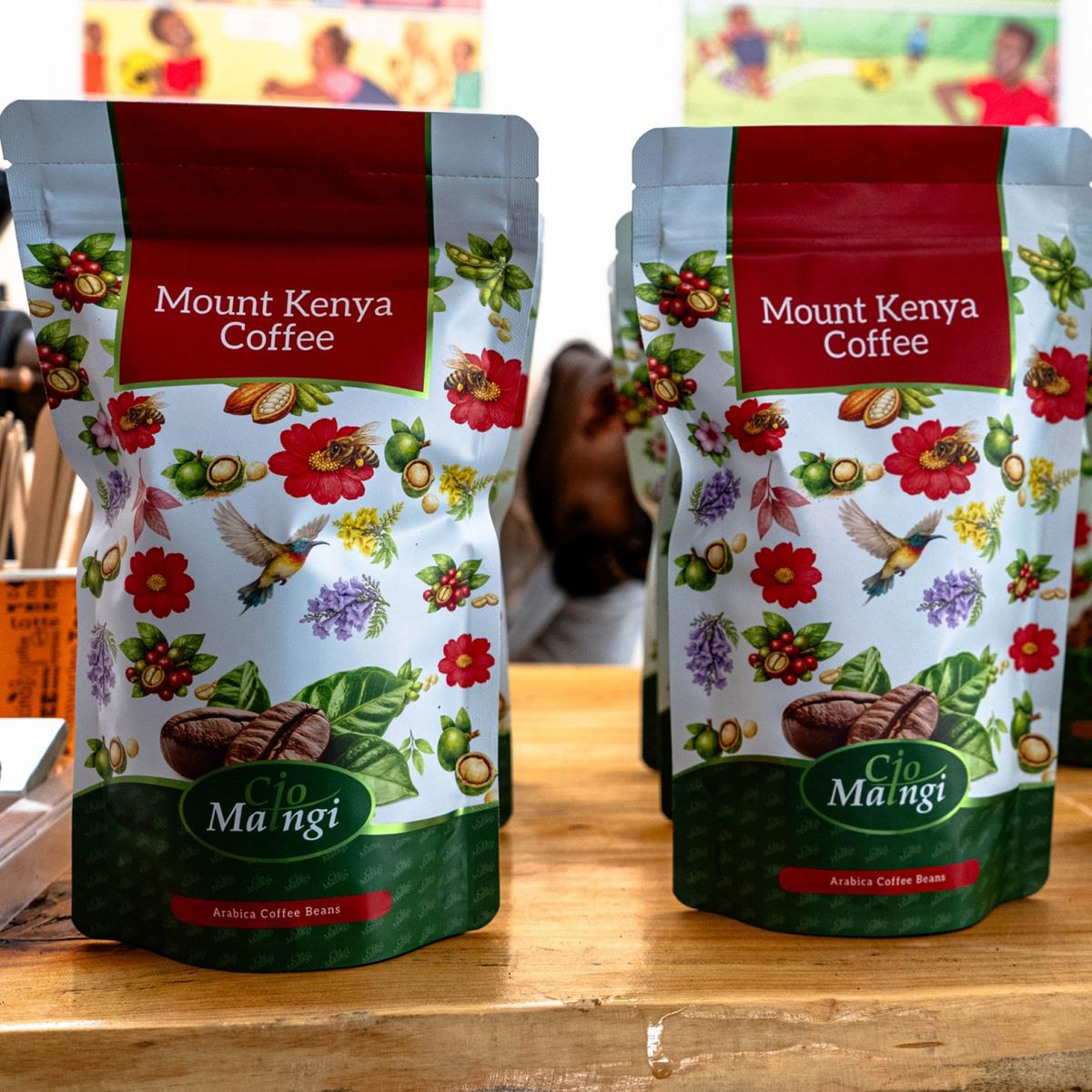
Several Kenyan coffee brands were prested at the expert discussion on 24 March, at the Alliance Française de Nairobi © Alliance Française de Nairobi
For Elvine Apiyo, Assistant Registrar of Trademarks, at the Kenya Industrial Property Institute (KIPI), “there is real potential, but a system to be built”. Kenya already has a legal basis through collective marks and certifications but the draft bill on GIs is taking time to be adopted.
The discussion in March revealed strong interest in GIs, but also a need to raise awareness among the entire range of stakeholders in the sector of this emerging concept. The ongoing sui generis bill aims to establish a dedicated framework, strengthen the protection of products of origin and clarify management and control mechanisms.
In addition to the favourable legal context, the economic context is also right. This was highlighted by Isaac Mithenya, food and agriculture specialist at Tea & Coffee Equity Bank (Kenya) Ltd., a major financial player in East Africa with which CIRAD is currently preparing to sign a regional partnership agreement. According to I. Mithenya, the Kenyan coffee value chain is already sufficiently mature to engage in operational discussions on GIs. The main challenge lies in the ability to transform a reputation for quality into a structured economic asset. In other words, exploiting the bankability of Kenyan coffee’s undeniable origin and quality.
As the specialist also said, by introducing collective rules, verifiable standards and greater transparency, GIs reduce uncertainty. This is a key factor in accessing favourable financing. Risk assessment is improved, enabling financial institutions to invest more confidently.
Last but not least, neighbouring countries have already embarked on pilot coffee GI projects, supported by CIRAD via the GI Support Fund. In Ethiopia, the establishment of a sui generis legal framework is being accompanied by efforts to embed it locally through regional workshops, enabling the legal framework to be aligned with on-the-ground realities. In Uganda, the Rwenzori Mountain of the Moon Coffee GI project illustrates an integrated approach combining capacity building for stakeholders and support for better market positioning.
In Kenya, in addition to coffee, the initiative surrounding Mau Forest honey represents a first concrete case of the use of GIs, with advanced work on biochemical and sensory characterisation, geographical demarcation and the mobilisation of beekeepers who depend on this threatened forest massif.
Science at work 14 October 2026
Science at work 7 October 2026
Science at work 30 September 2026