


















Science at work 14 October 2026

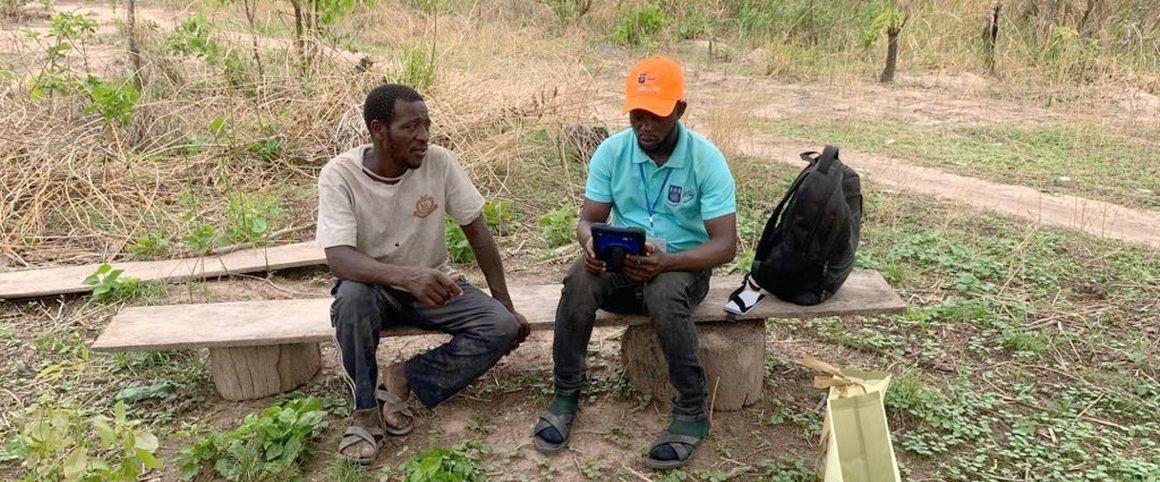
Enumerator for the JobAgri project interviewing a farmer © Hayford Opoku
The question of agriculture in Ghana is not just a question of food, it is also a question of dignity, opportunity, and fair employment. The JobAgri Project was launched to bridge the gap between employment and agricultural policies. By collecting data directly from farming households, corporate farms and a diversity of the maize value chain actor (input dealers, processors, traders and transporters), JobAgri aims to build a more responsive and inclusive agricultural system - one that listens to the people who till the soil and turns their realities into actionable insights for better policy.
JobAgri is a partnership project led by the International Labour Organization (ILO), the Food and Agriculture Organization of the United Nations (FAO), the French Agricultural Research Centre for International Development (CIRAD), and the Institute of Statistical, Social & Economic Research (ISSER).
Enumerators are the backbones of any data collection work. They meet farmers, value chain business managers and workers, and conduct surveys. But even before the enumerators reach the field, the data collection process starts with training. The sessions combine technical skills (using digital data collection tools for surveys and data uploads) with cultural understanding, ensuring that fieldwork is both accurate and respectful.
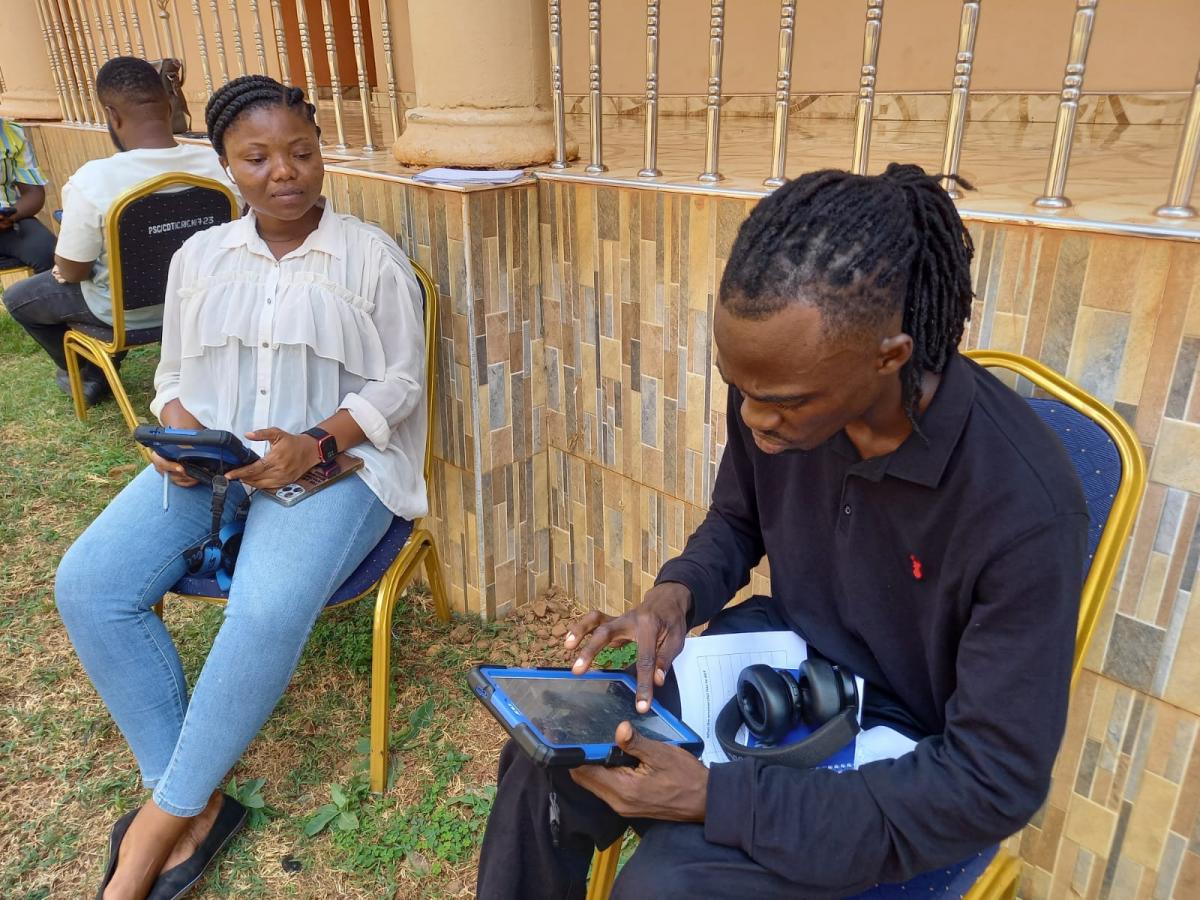
JobAgri enumerators during a pre-field training in Techiman, learning both digital data collection tools and local engagement techniques © P. Girard, CIRAD
“Before interviewing on the field, we have to go through a series of tests- tests on the instrument, quality of information, and also tests on working together as a team.” Kalian Sampoa Gumah is one of the enumerators under the JobAgri project.
Technical skills training ensures that all enumerators share the same methodology, which is essential for obtaining consistent and comparable data. But beyond that, enumerators have to develop soft skills to build good relationships with the farmers. As Kalian Sampoa Gumah puts it, conducting surveys is not just about “numbers”: “it’s about listening to people’s stories and helping them see themselves and their work in new ways”.
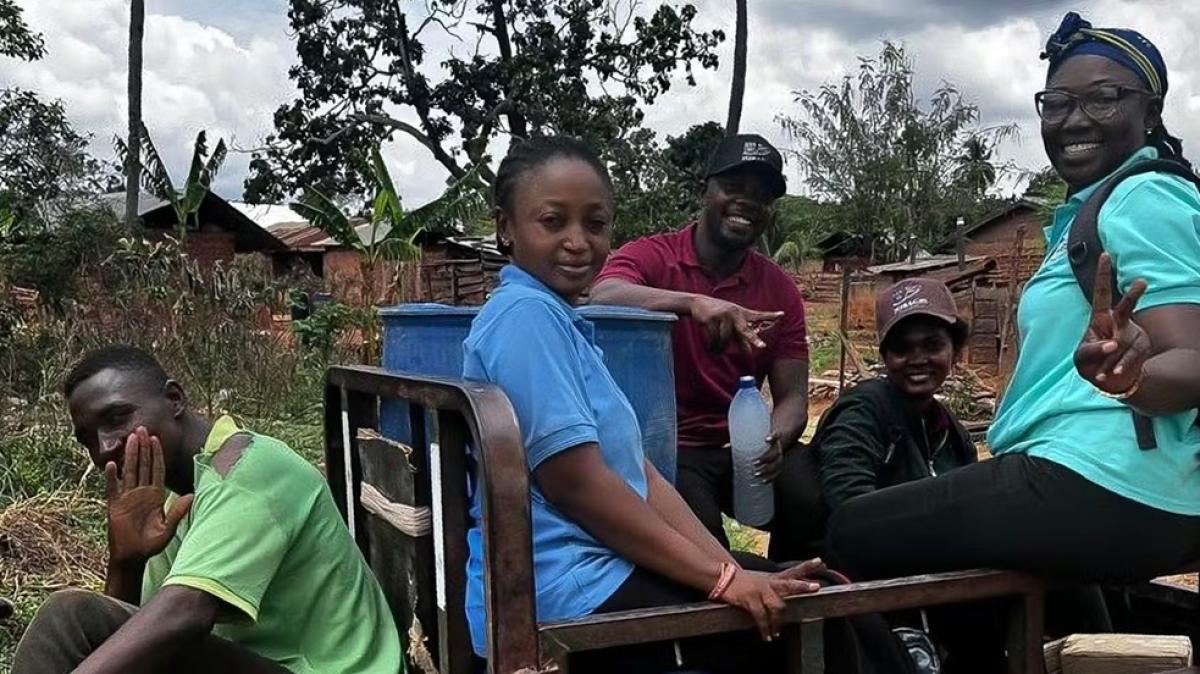
Kalian Sampoa Gumah in the blue shirt. Her working day starts as early as 4.00 a.m. in the morning (Ghana, 2025) © ILO
Every week, JobAgri’s field enumerators set out before dawn, navigating muddy paths and river crossings to reach the interviewees. Each data point matters. The surveys capture details about employment, income, working conditions, and more, building a complete picture of rural work and livelihoods.
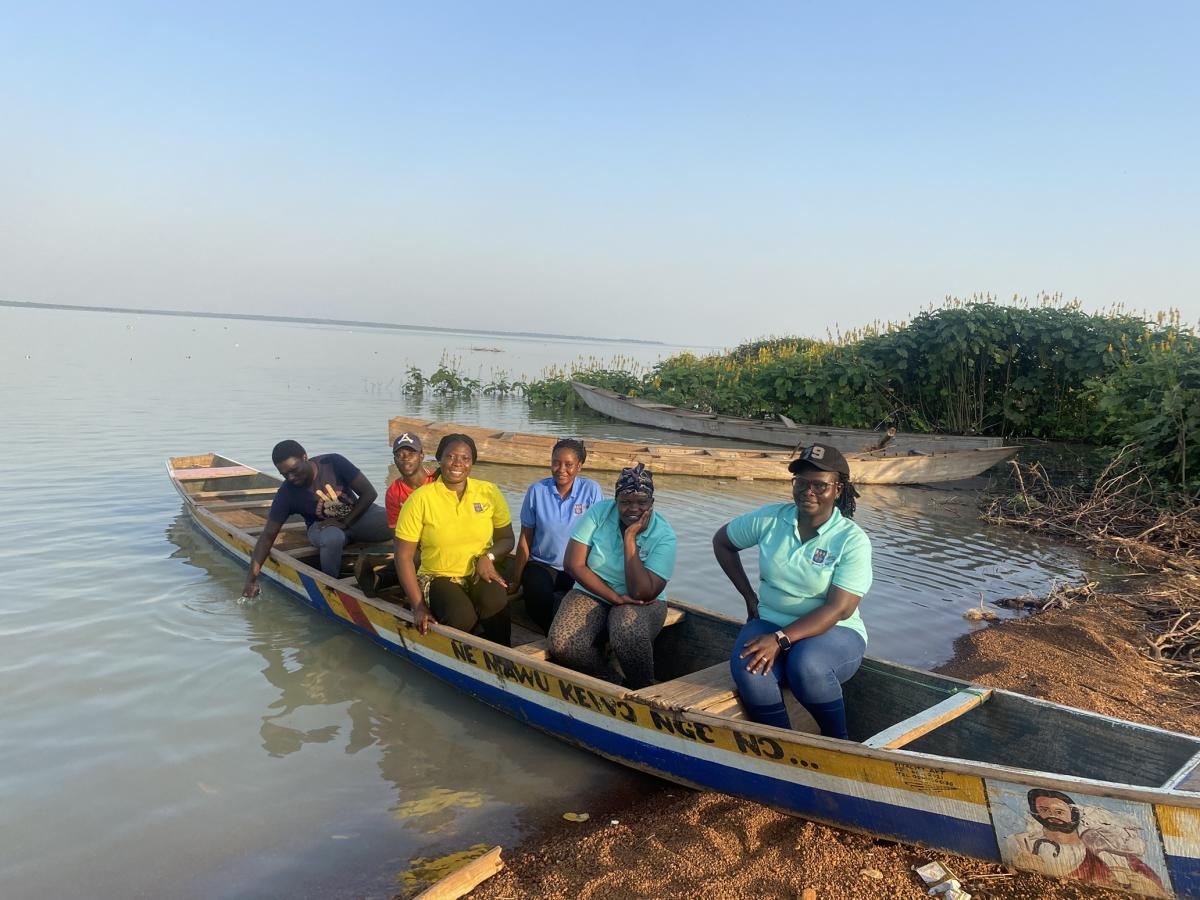
Enumerators cross rivers and ride rough tracks to reach remote maize-growing communities in Bono East © Bless Banir Yaraye
Kalian Sampoa Gumah: “This data informs national employment and agricultural policies, helping make visible the contributions of rural workers and supporting better systems for them”.
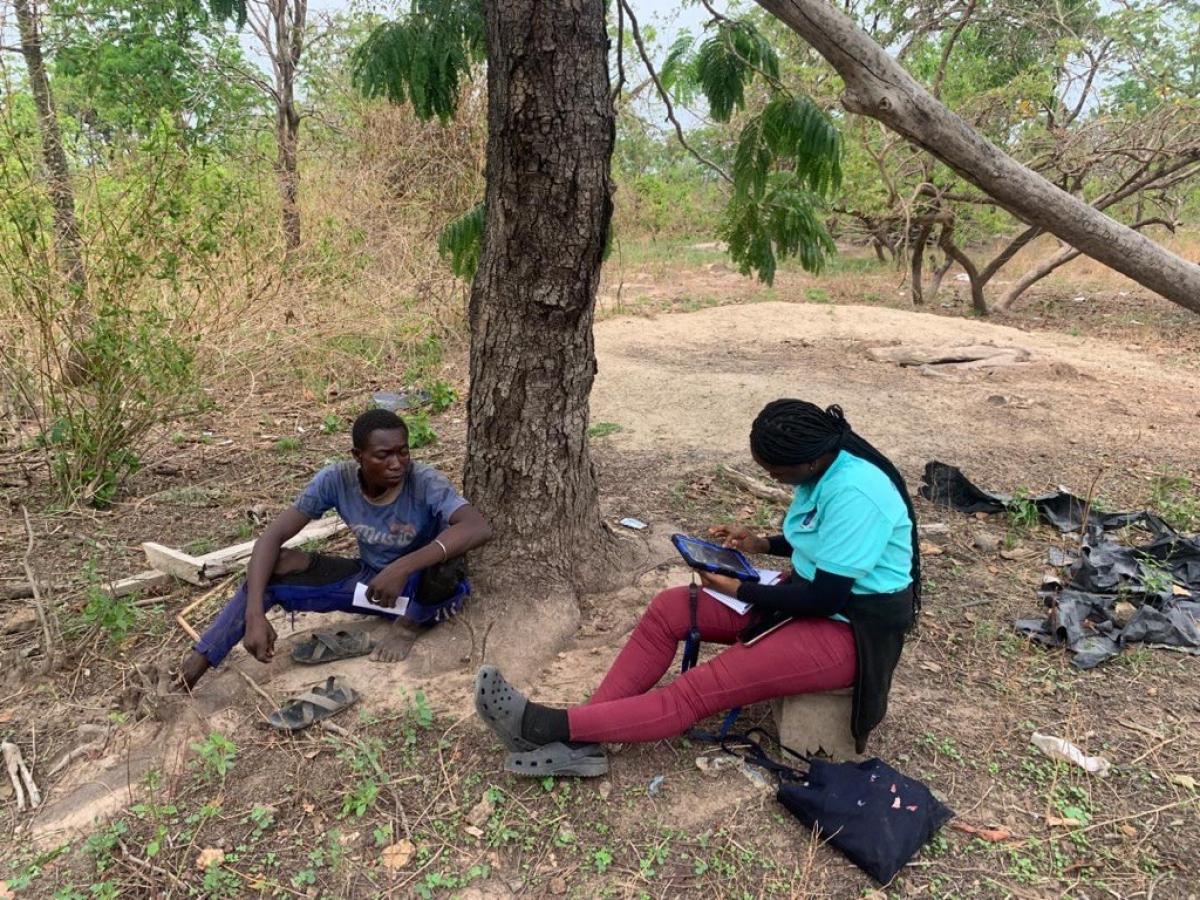
Enumerators interviewing on the field © Hayford Opoku
Once collected, the data is cleaned, analyzed and discussed within the JobAgri team and later shared through Multi-Stakeholder Forums (MSF), where governments, employers and workers organizations, along with farmers, researchers, and NGOs, come together to interpret the findings.
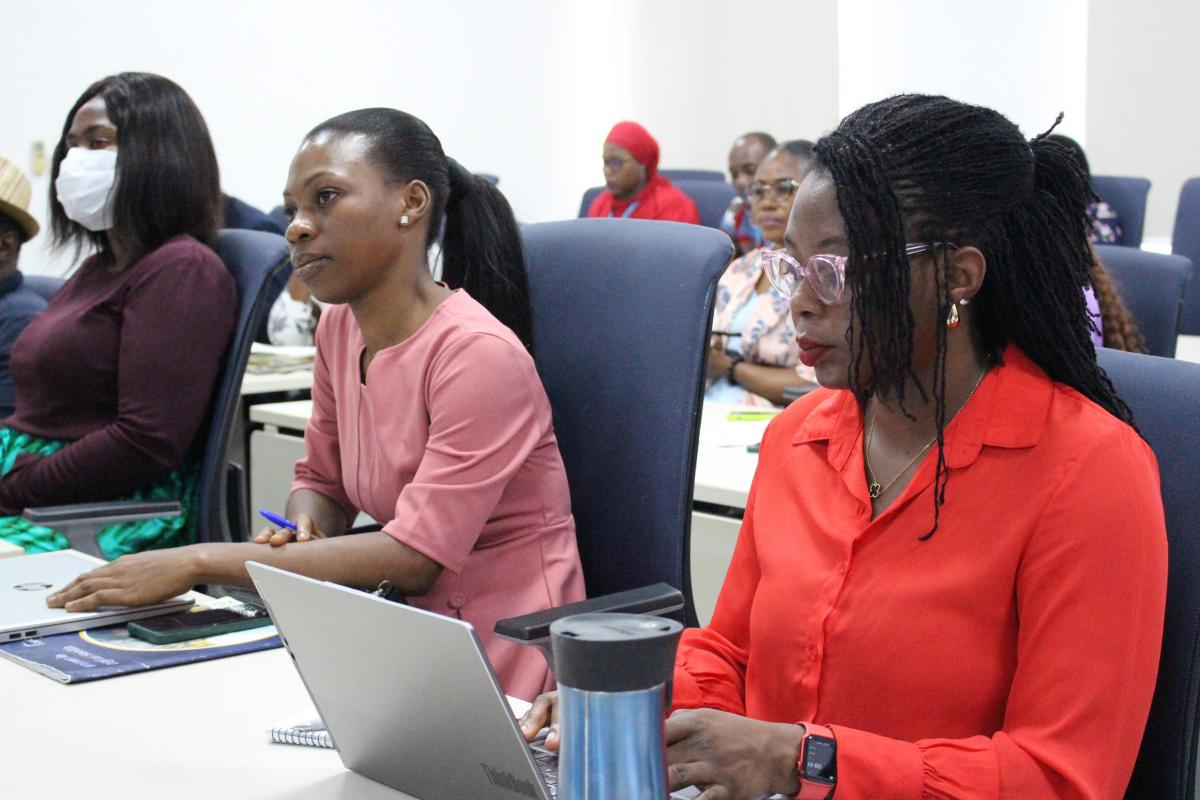
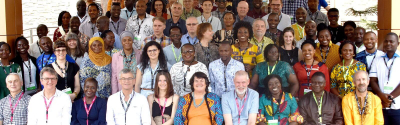
Stakeholders from research institutions, local authorities, and farmer associations gather at a JobAgri workshop in Techiman © FAO
Through charts, maps, and case studies, patterns begin to emerge - revealing insights on demographics, the role of youth, gender dynamics, mechanization, and the realities of rural employment. Each discussion helps transform raw data into a clearer understanding of how agriculture and work intersect in Ghana.
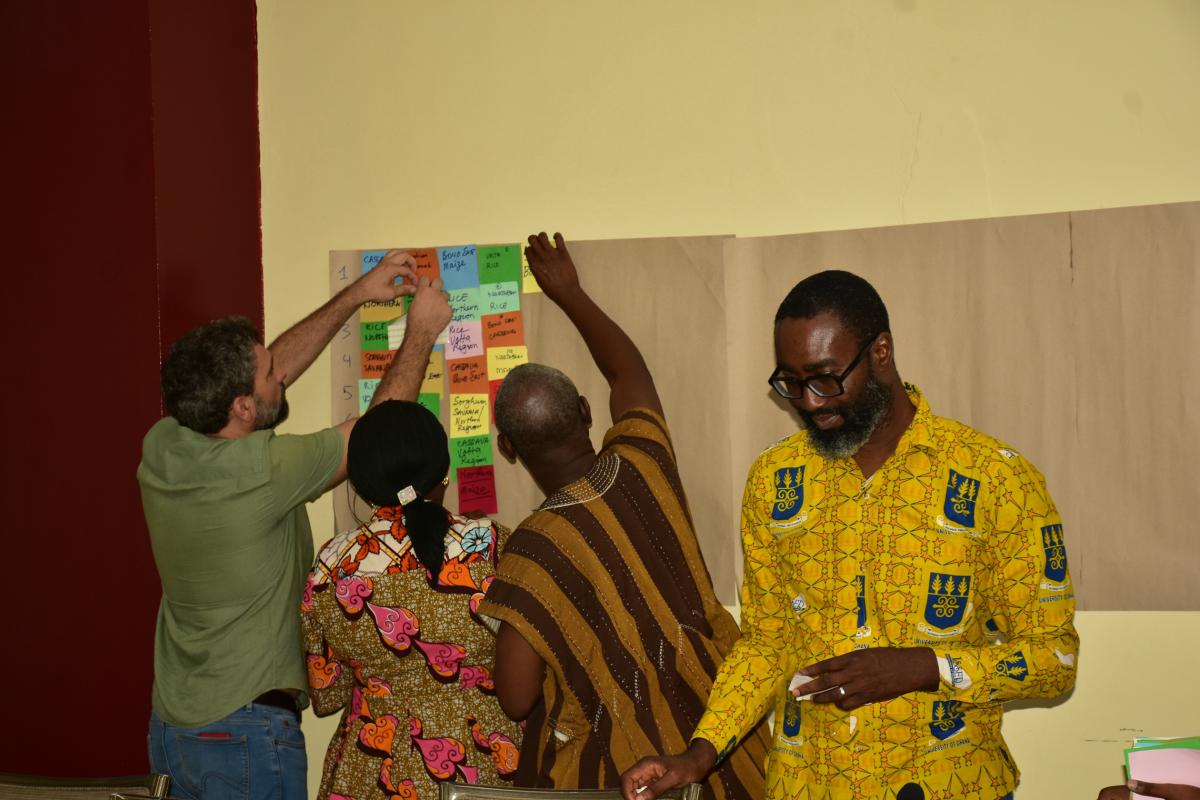
JobAgri partners brainstorming © ILO
Pierre Girard, CIRAD scientist: “In terms of data analysis, we are able to gain a very comprehensive overview of the content of the work: the number of jobs, who they are for and the working conditions. All this for a wide range of stakeholders in the sector: from the smallest agroecological family farms to large-scale capital-intensive farms, or maize processors and retailers on market places”.
The most powerful part of the JobAgri process happens when evidence meets action. Findings from the MSF sessions are shared with regional and national policymakers, influencing agriculture and employment policies.
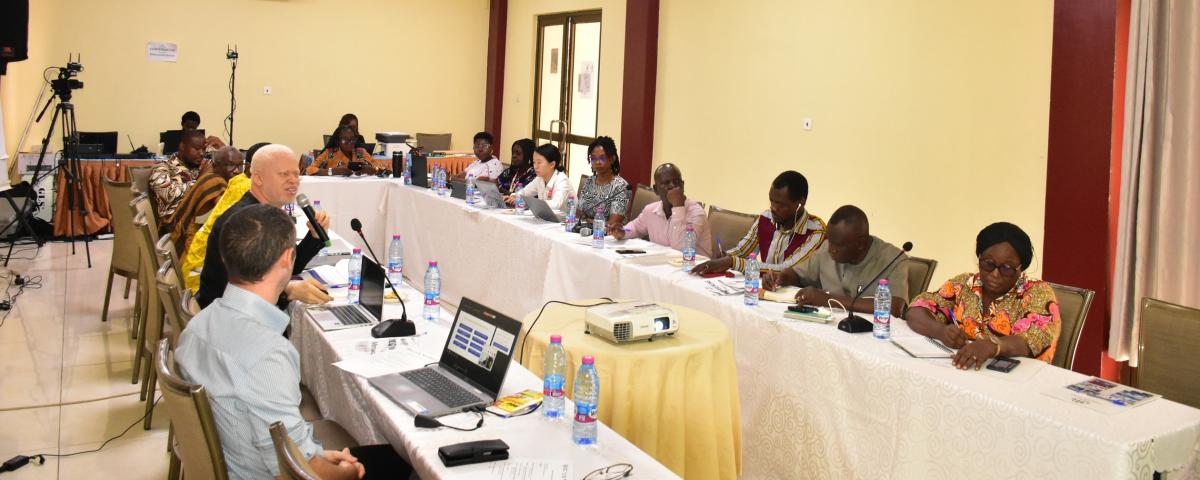
Officials from Ghana’s Ministry of Food and Agriculture (MoFA) and JobAgri representatives discuss findings from Bono East © ILO
James Ayittey, for the Statistics Research and Information Directorate, Ghana’s Ministry of Food and Agriculture: “We have an opportunity to drive the agriculture sector forward so that it supports the economic development agenda of our country”.

Stakeholders of the multistakeholders plateform in the Bono East region © ILO
From the maize fields to the ministry boardrooms and policy discussions among stakeholders, the JobAgri project proves that sustainable agricultural policy starts with listening and measuring at the grassroots. When decisions are rooted in real evidence and lived experiences, they not only address challenges, they create opportunities for lasting change.
Science at work 14 October 2026
Science at work 7 October 2026
Science at work 30 September 2026