










Institutional news 12 May 2026

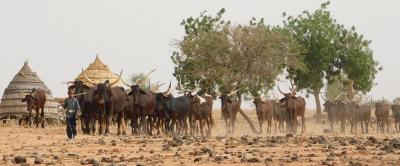
Herd of Ankolé cows, a typical East African race © Martin Parent
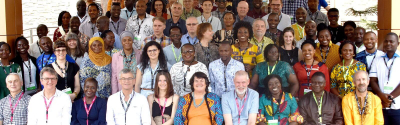
In promoting less sector-based, more collective research anchored in the long term, TRACE is the culmination of several years of preparatory work. The three-day founding workshop on the CIFOR-ICRAF Nairobi campus served to pinpoint the platform's initial impact pathways, relating to key questions such as:
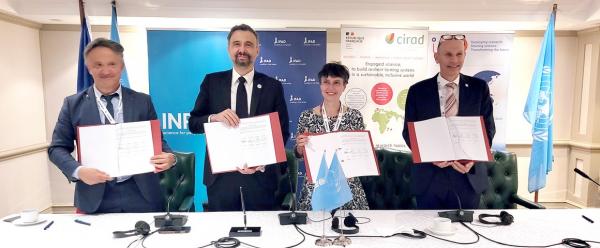
The event was co-organised by CIRAD, IRD and icipe (International Centre of Insect Physiology and Ecology) with the support of the University of Nairobi and the French Embassy in Kenya, and co-chaired by Catherine Nkirote Kunyanga (University of Nairobi) and Selim Louafi (CIRAD).
In the evening of 13 November, the French Embassy in Nairobi hosted the official launch ceremony, attended by Kenya's Principal Secretary for Science, Research, and Innovation, Mr Abdulrazak Shaukat.
During his talk, Ambassador Arnaud Suquet observed that "This reception reflects the major contributions French research organisations are making to the research environment in Kenya and the broader Rift Valley region. TRACE has come at a decisive moment for a shift in how we think about agricultural and ecological transitions".
For her part, Catherine Nkirote Kunyanga stressed the initiative's regional importance: "Kenya faces challenges in producing sufficient food for its growing population. Transforming agriculture to be more resilient and sustainable is essential, particularly as the youth population increases".
These speeches were reported in the Kenyan media, notably by the daily newspaper The Star, which saluted a "regional partnership launched to boost agricultural research in East Africa".
TRACE currently federates research and higher education establishments from four African countries–Ethiopia, Kenya, Tanzania and Uganda–and international organisations. Other countries in the region and other types of non-academic players have already shown a strong interest in joining the initiative in the near future. Like the other platforms in partnership led by CIRAD, TRACE is not a short-term project but a living network formed by human links, regional collaborations and shared knowledge.
"TRACE is a space in which science is being written collectively, based on grassroots realities", says Patrice Grimaud, CIRAD Regional Director for East Africa.
TRACE is not just a researcher network, it is a collective experimentation platform, a place where disciplines, practices and perspectives interact. Its outlines will continue to be defined in line with partners' commitments, emerging dynamics and regional opportunities.
Institutional news 12 May 2026

Institutional news 4 February 2026
Institutional news 2 January 2026