















Science at work 14 September 2026

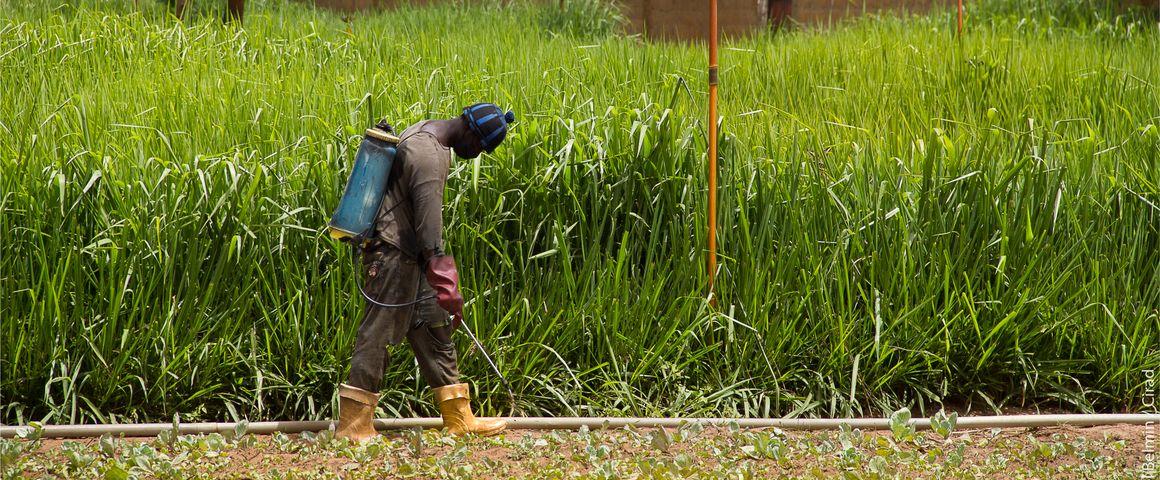
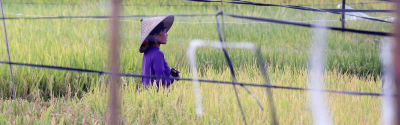
The PRETAG initiative aims to reduce pesticide use in several tropical value chains © R. Belmin, CIRAD
The realities of life for farmers in tropical and Mediterranean countries should be the starting point for designing possible transitions towards systems using less or zero synthetic pesticides and fostering the large-scale adoption of alternatives. It is important to progress on this, by taking account of concerns regarding health, environmental sustainability, social equity and economic viability.
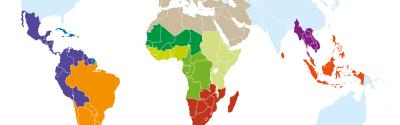
PRETAG paved the way for an effective rein pesticide use in key tropical value chains, notably banana, cocoa, coffee, rice and periurban vegetable production.
The initiative analysed the technical, institutional, organisational and partnership-related obstacles to and levers for a transition towards reduced synthetic pesticide use I tropical farming systems.
By federating a number of projects, PRETAG has served to:
The results show that:
See the PRETAG (Pesticide Reduction for Tropical Agricultures) Initiative Guide de protection agroécologique des cultures tropicales en 20 leviers techniques.
They also demonstrate:
La réduction de pesticide par des alternatives agroécologiques reste entravée par la baisse du prix des pesticides de synthèse et les politiques de subventions détaxations qui continuent de soutenir leur usages.
The initiative also offers:
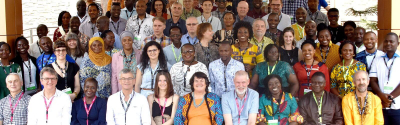
There cannot be any form of transition without support and shared responsibility among all the stakeholders in the value chain concerned. This is what warrants multi-stakeholder platforms. The transition pathways built by such platforms, rely on on-farm pilots to document the technical, organisational and commercial feasibility of transitions. This is a precondition for scaling up.
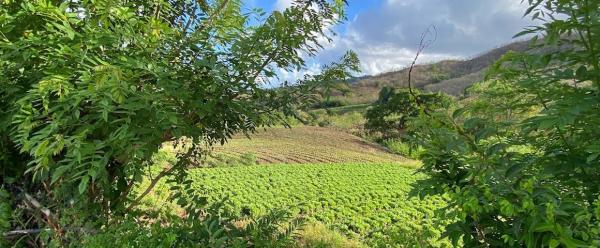
In the banana value chain in Colombia, a number of players—producer, importer/ripener, disributor—have worked on a pilot farm to massively reduce pesticide use.
Côte François-Xavier, Le Bellec Fabrice, Martin Thibaud, Temple Ludovic, Blouin Annaig, Loeillet Denis, Baufume Servane, Ghneim Herrera Thaura. 2025. Rapport final de l'initiative "Pesticide Reduction for Tropical Agricultures" (Pretag) 2023-2024. Montpellier: CIRAD, 143 p. https://doi.org/10.18167/agritrop/00835
Réduire l’utilisation des pesticides agricoles dans les pays du Sud : verrous et leviers socio-techniques. Cahiers agricultures.
Science at work 14 September 2026

Science at work 7 July 2026

Science at work 17 June 2026