





Science at work 14 September 2026

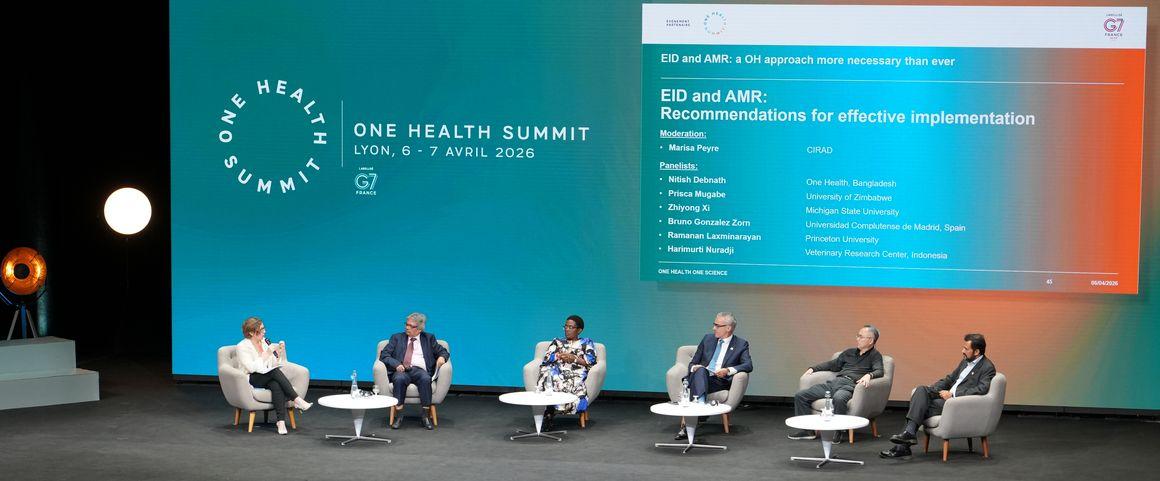
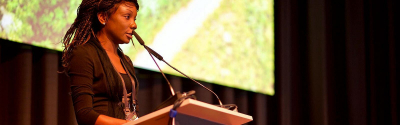
Marisa Peyre, CIRAD, moderates the roundtable on "Emerging infectious diseases and antimicrobial resistance: recommendations for effective implementation" © C. Dangleant, CIRAD
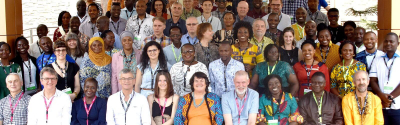
The scientific symposium, organised by the French Ministry of Higher Education, Research and Space in collaboration with ANSES, CIRAD, French experts from the inter-agency "One Health" working group (Agralife, APRES, CBSD) and international experts, was attended by more than 600 participants from across the world. Participants looked at the inextricable links between human, animal and environmental health. Their discussions confirmed the need for interaction between science and policymaking, to boost the impact of One Health options worldwide. The symposium, an unprecedented event, brought together the entire range of disciplines and sectors, and succeeded in federating players from all horizons to co-construct innovative scientific solutions capable of responding to complex future health challenges.
The OH approach is urgently needed to guarantee the global resilience of public health policy. The aim is to take steps as of now to foster transdisciplinary research, inclusive decision making and technological innovation, to build new knowledge, control the impact of human activity and preserve the ecological essentials required for the health of future generations and, more generally, to preserve the living world. Integrated, collective and transformative action is the only way of ensuring that we can anticipate, prevent and respond effectively to constantly changing health crises in an increasingly interconnected world.
The scientific symposium served to draft robust recommendations for fostering this integrated approach. The challenge is how to move on from scattered, reactive interventions to united, proactive prevention against health threats. Human, animal, plant and environmental health must be seen as a single, indivisible entity.
The recommendations made following the symposium hinge on the four central topics of the One Health Summit:
The experts also highlighted the role data play as a catalyst, by enabling in-depth, open and directly usable analyses, while the human and social sciences guarantee more ethical, equitable, locally grounded policies co-constructed with the entire range of stakeholders to ensure that they are taken on board.
The One Health, One Science symposium served to take a vital step forward and convert scientific excellence into concrete recommendations for public action. By bringing together the entire range of disciplines and expertise, we have laid the foundations for a truly integrated health approach, capable of addressing contemporary health challenges. This work required a collective engagement, and the resulting recommendations must serve to inform ambitious, science-based public policies.
Science at work 14 September 2026

Science at work 7 July 2026

Science at work 17 June 2026