









Expert view 7 September 2026
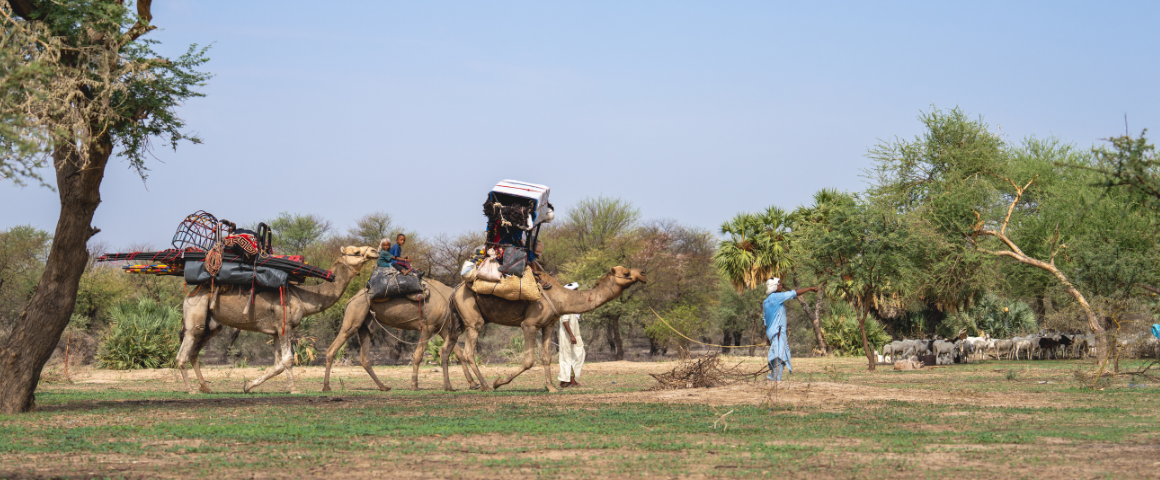
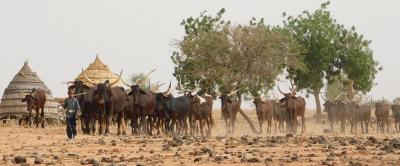
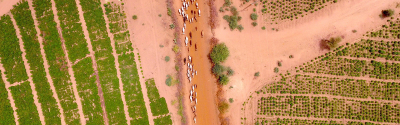
Pastoralists in Chad © T. Parry, Imageo
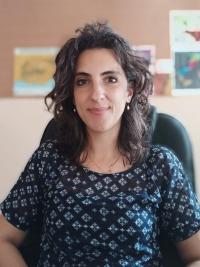
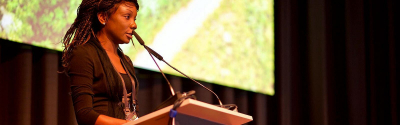
© S. Ferrari, CIRAD
Serena Ferrari is a socioeconomist at CIRAD, whose work focuses on pastoral systems. She is currently living and working in Addis Adaba, Ethiopia, at ILRI (International Livestock Research Institute). She also worked for several years in Saint-Louis, Senegal, where her research centred on the Ferlo silvo-pastoral zone and the Senegal River valley.
Serena Ferrari: The event is a first. Over six days, from 10 to 15 August, pastoralists' representatives and organisations from all over the world will be meeting to draft a collective declaration capable of steering international cooperation on pastoralism.
Above all, the aim is to make pastoralism more visible, on two levels. Firstly, to raise public awareness: this will be an opportunity for people to learn about pastoralism and why it is important to talk about it. And also to alert policymakers who will be at COP17, many of whom still ignore the scale of the issues surrounding pastoral activities when making decisions about combating desertification.
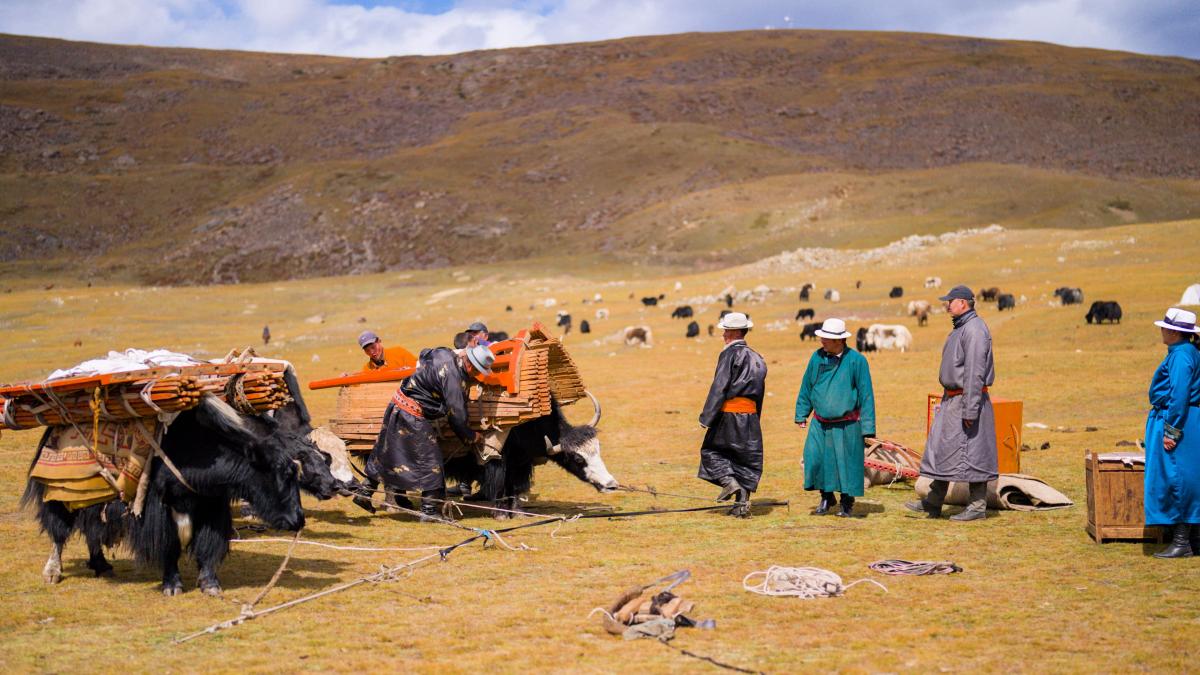
Pastoralists in Mongolia © T. Parry, Imageo
S.F.: Pastoralism is a type of extensive livestock farming that has a special place in many world regions. Unlike intensive livestock farming, pastoralism centres on herd mobility and on using natural rangelands.
It is a method that has not previously been widely studied, although it plays a crucial ecological role by maintaining soils and biodiversity in rangeland ecosystems. As a result, it contributes directly to combating desertification and mitigating climate change. For the UN, this is what makes it a topic that spans the main three international conventions, on climate, desertification and biodiversity.
The Global Pastoralist Gathering and COP17 will be held a few days apart, both of them in Mongolia, in Ulaanbaatar. This is not a coincidence, as pastoralism will be central to the debates during Desertification COP17. The gathering is due to produce a collective declaration collective to speak for pastoralism at the COP. The results of the discussions will also be promoted worldwide as part of the celebrations marking the International Year of Rangelands and Pastoralists.
Pastoralists nowadays do not just want to be heard; they want to be recognised as equal partners in building a more sustainable future.
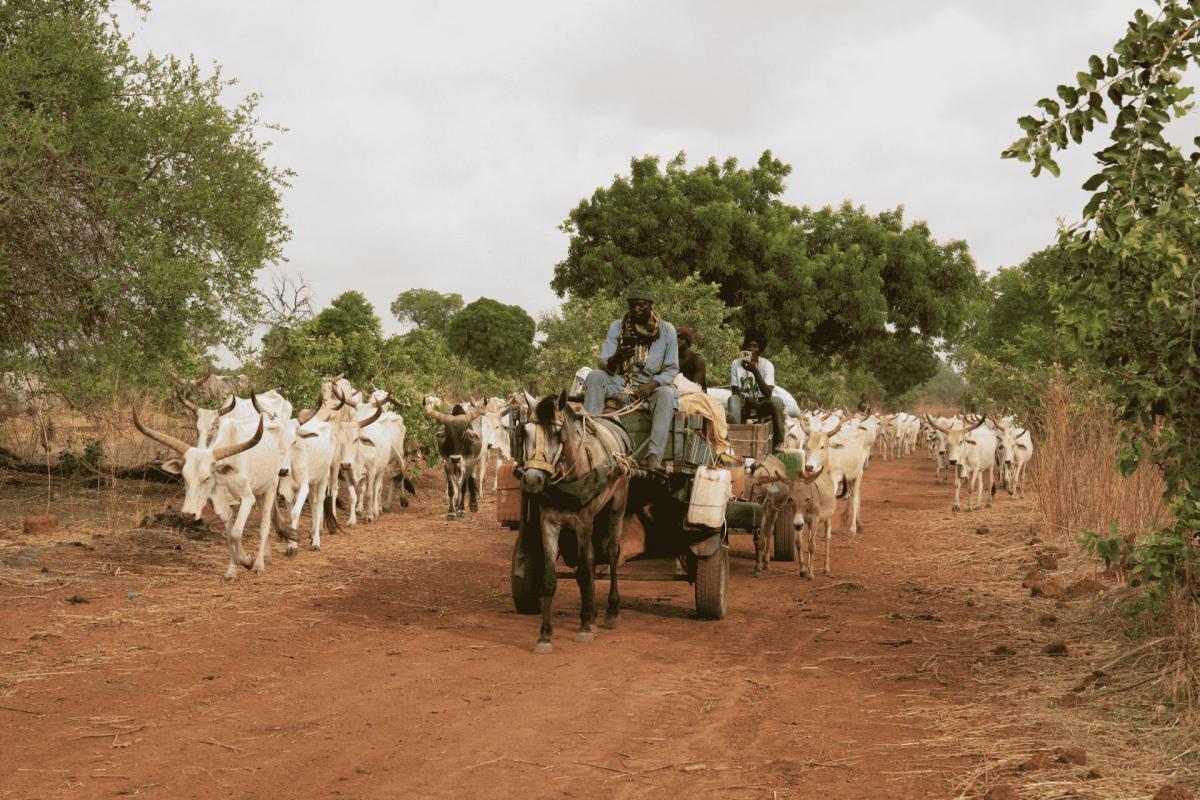
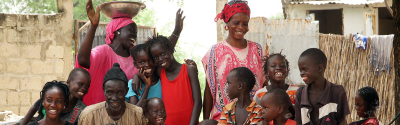
Pastoralists in Senegal © T. Parry, Imageo
S.F.: CIRAD has been working for decades alongside its partners, to build knowledge of pastoralism. We are all calling for these livestock systems to be recognised for what they are: resilient systems that are useful for coping with environmental and economic crises.
For us, the Global Pastoralist Gathering illustrates CIRAD's triple role. We are a research institute, but we are also a political advocate, and we head a community of scientific and pastoralist partners in global arenas. CIRAD has traditionally been at all three COPs, and we want to speak for pastoralism at all of them.
In addition to our collective work with our partners, CIRAD will also be presenting its own vision at these events. We have also published a position paper with the central message that pastoralism is not an isolated issue but a topic at the crossroads of the three conventions: desertification, climate and biodiversity. That crossover warrants promoting this type of livestock farming and investing in its development in order to achieve the objectives of these three global agendas.
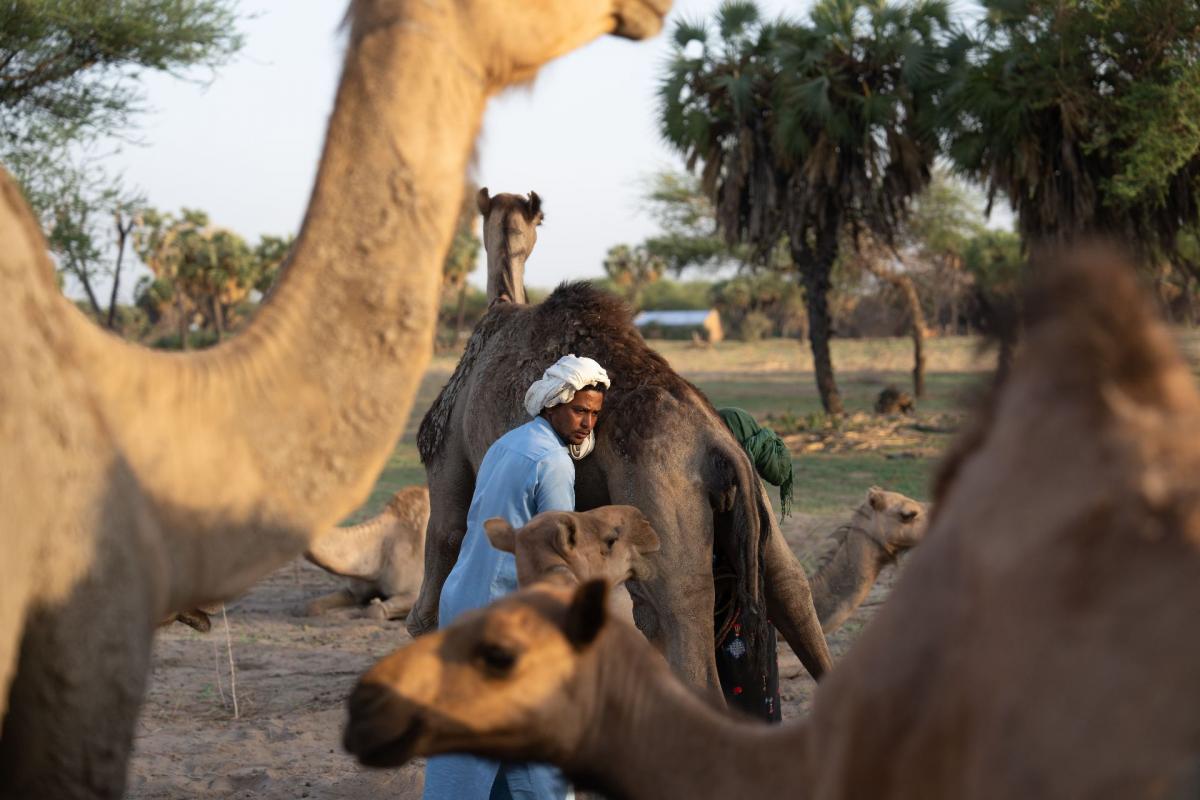
Pastoralists in Chad © T. Parry, Imageo
Expert view 7 September 2026
Expert view 9 July 2026

Expert view 15 June 2026