
















Just out 25 September 2026


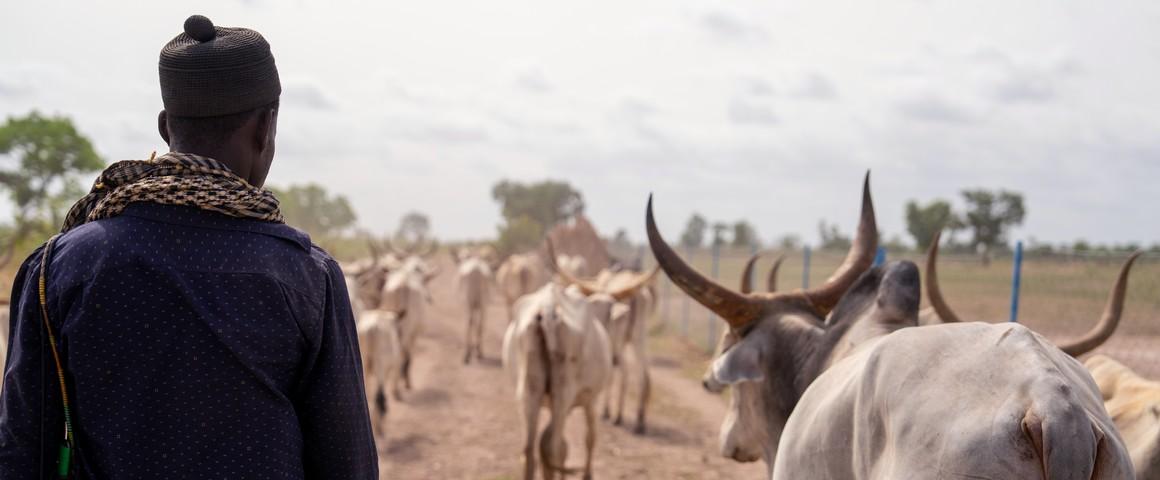
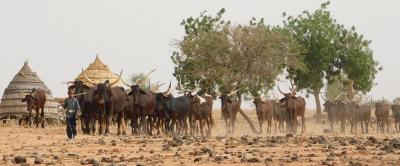
Ousmane is an agropastoralist in Senegal’s groundnut basin. His production system combines crops and livestock, and is based on the seasonal mobility of herds to make optimal use of the variability of resources © Imagéo-Parry/Francin
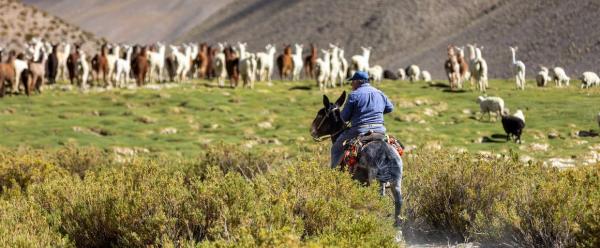
Long regarded as marginal, pastoralism is in fact practised by more than 500 million people in around 100 different countries. This form of transhumant livestock farming is found in environments that are poorly suited to crop cultivation, including steppes, savannas, high-altitude grasslands, forests and tundra. Natural rangelands cover a total of 54% of the world’s land surface, at all latitudes.
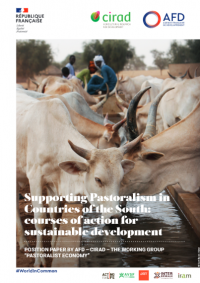
In a joint position paper, CIRAD, AFD, Acting for Life, AVSF, GRET, Inter Réseaux and IRAM underscore their firm belief that mobile livestock farming is a key driver of sustainable development in more than 100 countries.
Pastoralism supplies national and regional markets, creates jobs and structures entire territories. In the Sahel, for example, mobile livestock farming provides most of the red meat and a large proportion of the milk consumed.
However, these contributions remain largely unrecognised in official statistics and public policy decisions. The result is a lack of infrastructure, inadequate veterinary services, insecure access to water, education and healthcare for pastoral households, and increasing land tenure insecurity.
Contrary to popular belief, pastoral systems do not necessarily cause environmental degradation. Recent scientific studies show that in the Sahel, carbon storage in soils and vegetation can offset herd emissions. On a global scale, grasslands and rangelands represent some of the largest carbon sinks.
Seasonal mobility reduces pressure on resources, encourages pasture regeneration, and maintains a habitat mosaic conducive to biodiversity. The authors thus advocate supporting – rather than restricting – these movements, which are essential to ecosystem balance.
The paper outlines an operational roadmap structured around seven key areas:
Recognising pastoralism as an investment in the future rather than a legacy of the past is now a strategic imperative. Putting rangelands and pastoralists at the heart of public policy is a key condition for building resilient food systems, protecting ecosystems and strengthening the cohesion of rural territories.
Just out 25 September 2026
Just out 27 July 2026