












Science at work 14 October 2026

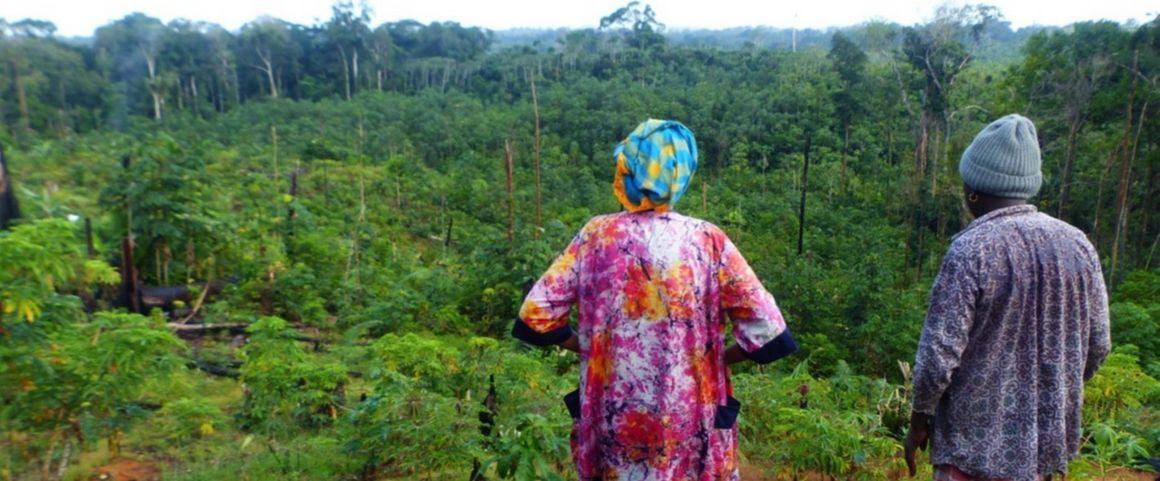
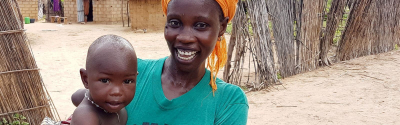
Carmen K. (right), a Bushinengue farmer, shows an agricultural adviser the abattis plot she cleared herself
French Guiana devotes 7 700 hectares to the cultivation of tubers, primarily cassava. This represents nearly 20% of the utilised agricultural area. Annual production stands at approximately 35 000 tonnes. The sector plays a major role for the population of French Guiana, in terms of both food security and economic activity, sustaining incomes, employment and agricultural traditions.
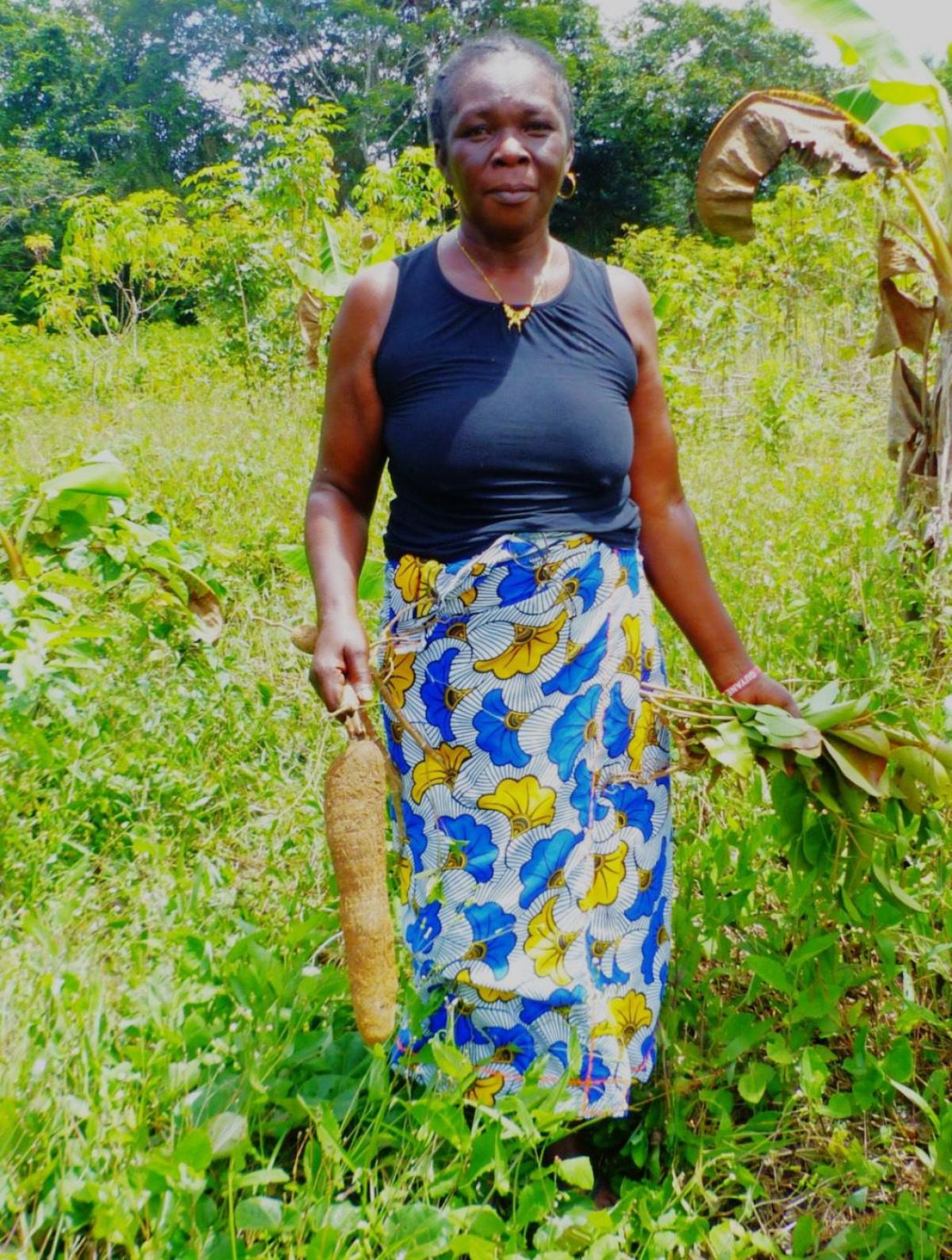
Sagrientje V. with a cassava tuber harvested from her plot © M. Chen, CIRAD
In French Guiana, a slash-and-burn farming system, known as abattis, remains widespread. In some communities, especially among the Bushinengue, women play a pivotal role in managing these plots. They oversee the plantations and determine when and where crops are planted. Research on cassava diseases must therefore involve these key stakeholders, who pass on their know-how from generation to generation.
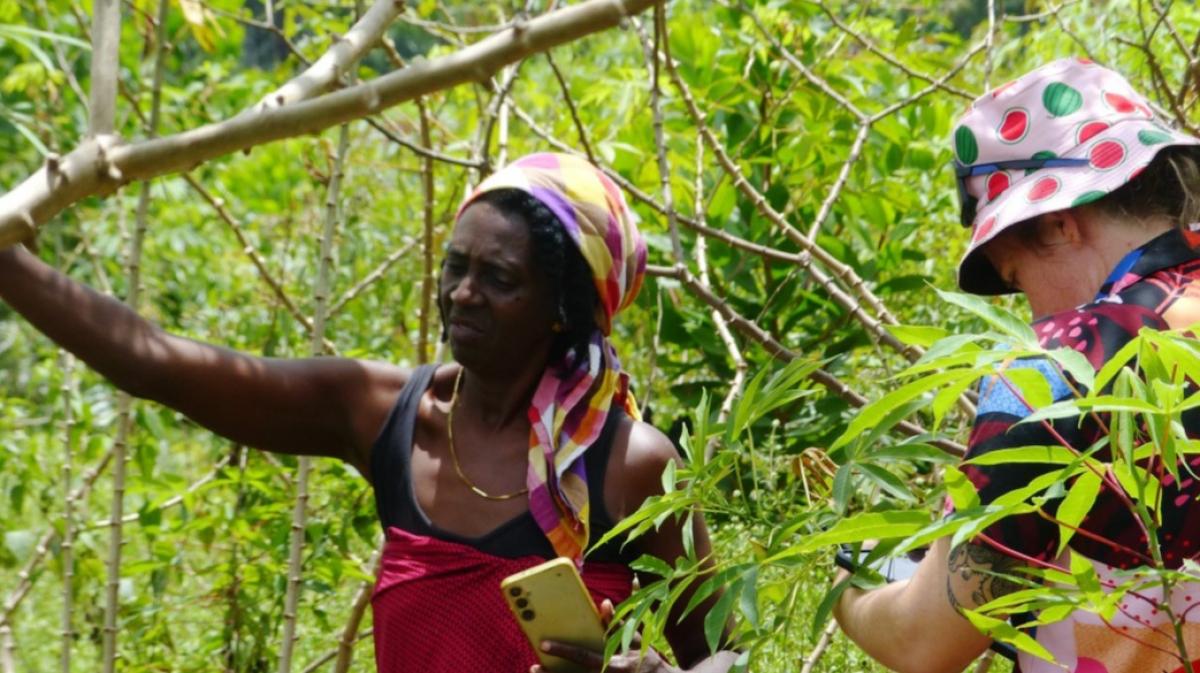
Mili P. describing one of the cassava varieties planted in her abattis to a researcher from CIRAD
Witches’ broom disease, caused by the fungus Rhizoctonia theobromae (syn. Ceratobasidium theobromae), has decimated numerous cassava plantations in recent years. Against this backdrop, the French Ministry of Agriculture and Food Sovereignty has financed the DECODE project, coordinated by CIRAD. DECODE aims to identify the risk factors driving the spread of the disease and to develop sustainable solutions.
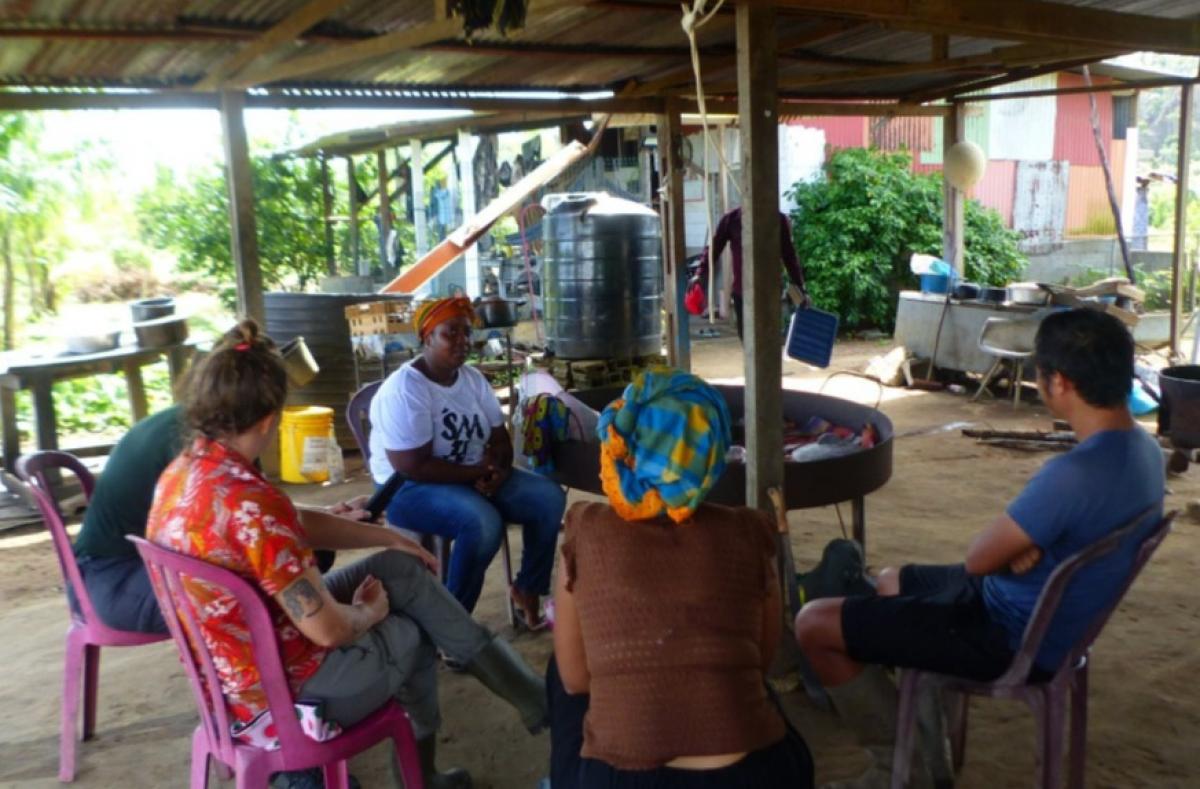
CIRAD scientists listening to Bianca J. © M. Chen, CIRAD
Cassava cultivation is a key activity for women, particularly within Bushinengue communities. While part of the harvest is used to feed the household, selling the surplus (as couac or flour) provides them with their own source of income, thus making them less dependent on their husband’s income or financial support. In this context, witches’ broom disease is not just a matter of food security, but also an economic issue.
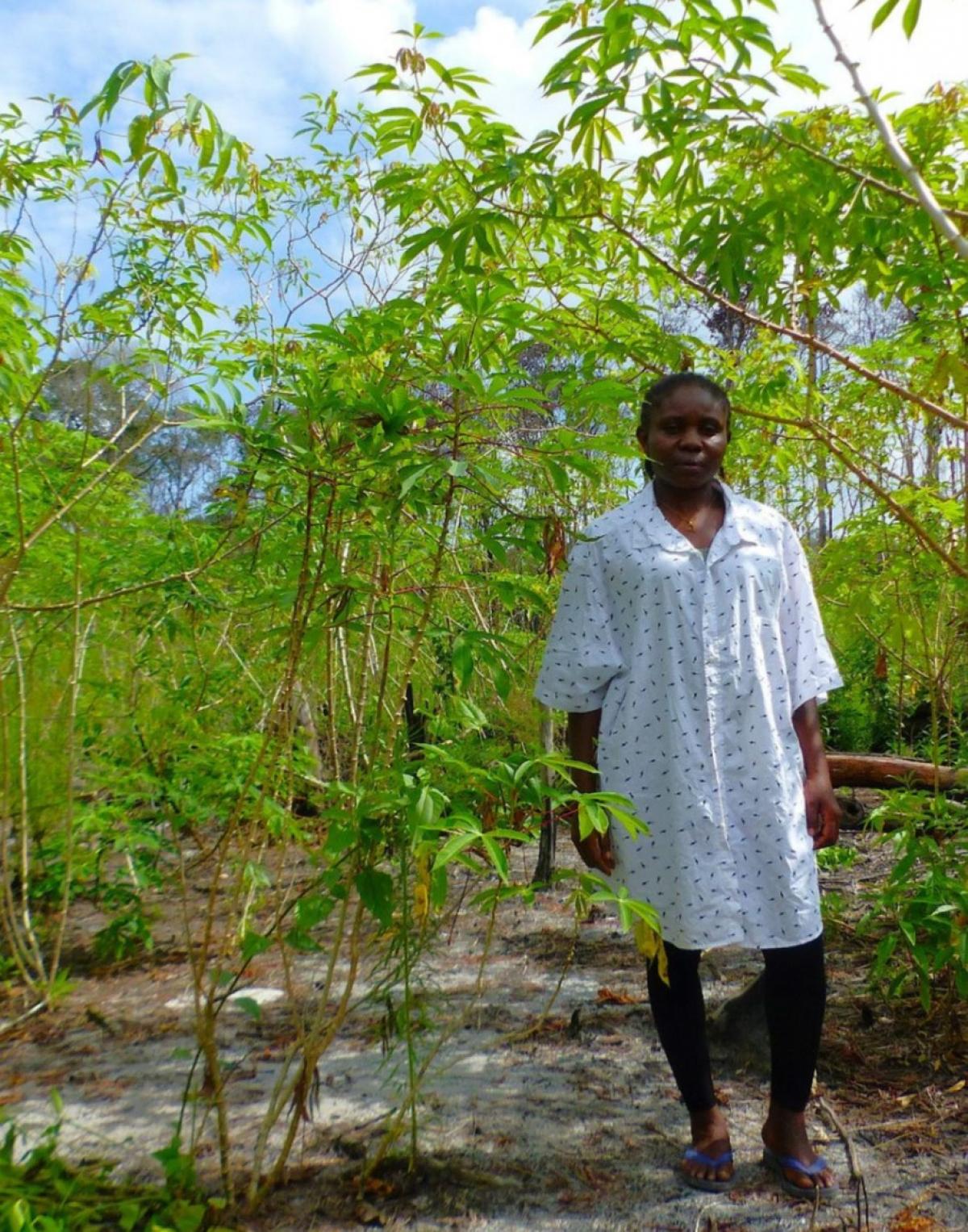
Josiane V. in the middle of her abattis plot © M. Chen, CIRAD
In response to the disease, CIRAD’s scientists are working to develop agronomic solutions as well as tolerant cassava varieties adapted to the farming practices and consumption habits of these women. As cassava is primarily a subsistence crop, taste and texture preferences are critical factors in plant breeding programmes.
In French Guiana, the diversity of cassava varieties is still largely unknown. An initial collection of around 70 cuttings, each identified by farmers as a distinct variety, will shortly be analysed as part of another European project coordinated by CIRAD (ROTATES).

Science at work 14 October 2026
Science at work 7 October 2026
Science at work 30 September 2026