CIRAD takes a stand
The binary vision of men versus women on which our society is built, has tangible consequences for everyone. In agriculture, "roles" are often ascribed to men or to women. "Gender", either as a research topic or a conceptual framework, is now pushing scientists to rethink their usual analysis categories and produce novel results. In terms of agricultural research, those categories encompass plots, households, farms, workloads, etc.
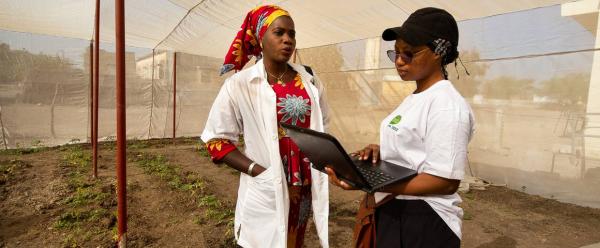
For research, taking account of gender also guarantees the relevance of research results while committing to change matters. As CIRAD researcher Magalie Jannoyer, who co-coordinated the book "Le genre en recherche" (Gender in research), "unless we try to involve women in our research projects, our work could well be pointless".
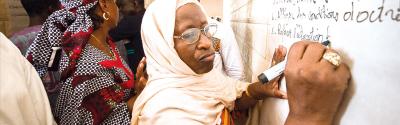
Apart from the moral aspect, taking account of gender in research is a sign of the quality of that research. It is also a matter of quality of life for the people doing research. We talk to Magalie Jannoyer, CIRAD researcher and one of the coordinators of a book, Le genre en recherche (Gender in research), published by Editions Quæ in December 2024. The book was coordinated and published jointly with the Agence nationale de la recherche. This collective work illustrates the different fields in which gender bias may operate in research and provides data and tools for debate.
Giving rural women a voice
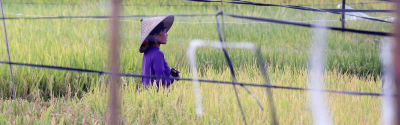
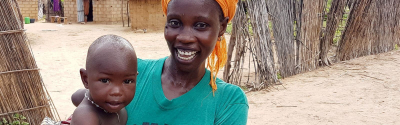
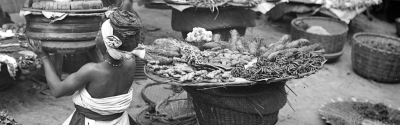
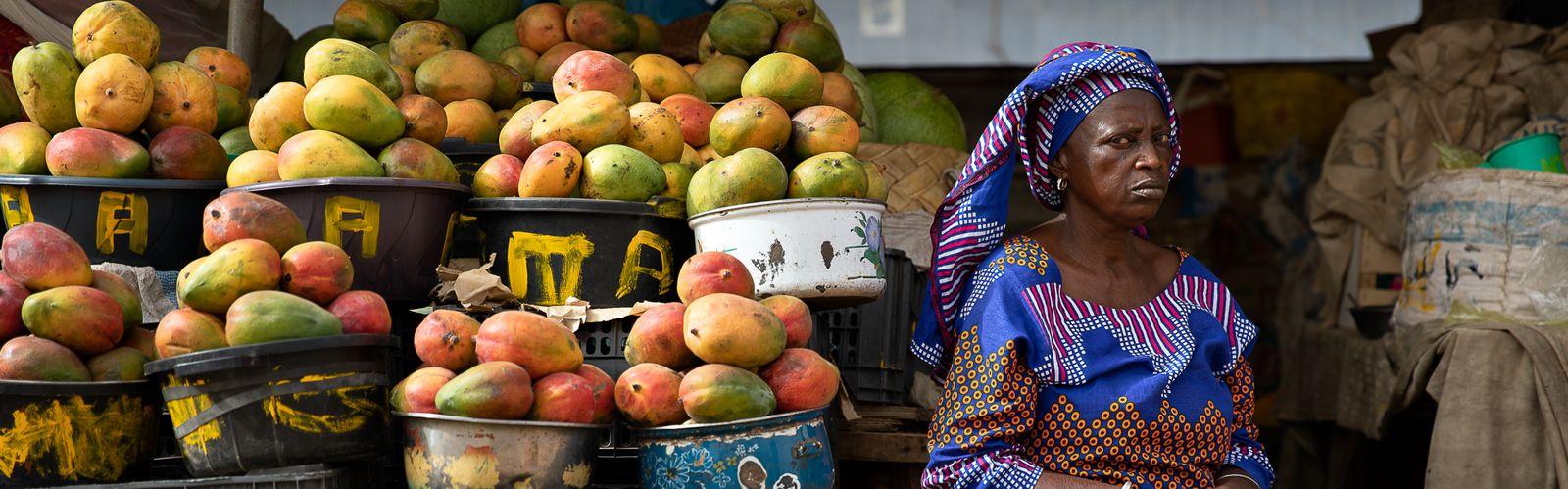
This year is therefore an opportunity to shift attention onto women farmers, processors and traders, the linchpins of farming and food. Throughout 2026, we shall be taking you to meet them, via interviews/portraits and reports on their lives, on our website and social media.
In shining the spotlight on women's contributions to food systems, the aim is to encourage research to give greater consideration to their participation in the agricultural sector. This should also ensure that they are taken into account when building public policy, and make people more aware of how power relationships play out within agricultural models.