







Expert view 12 October 2026

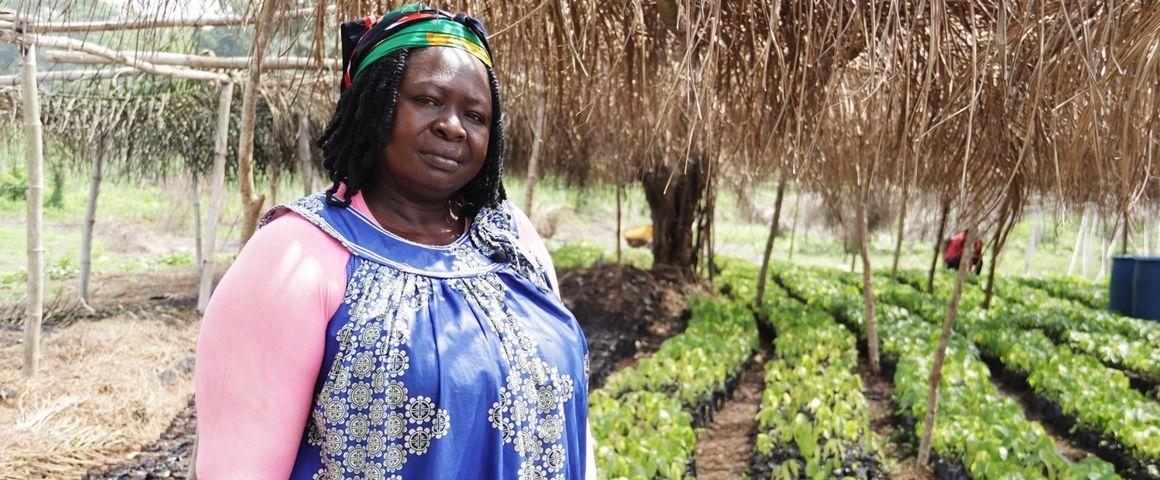
Marie Clarisse Ndengue owns a nursery of cocoa seedlings in Ntui (Cameroon) © S. Koutchou Mbougueng, CIRAD
Marie Clarisse Ndengue, aged 47, trained in environmental health when she was young, but it is farming that has always guided her life, a passion she inherited from her mother. She now manages a nursery of 50 000 cocoa seedlings.
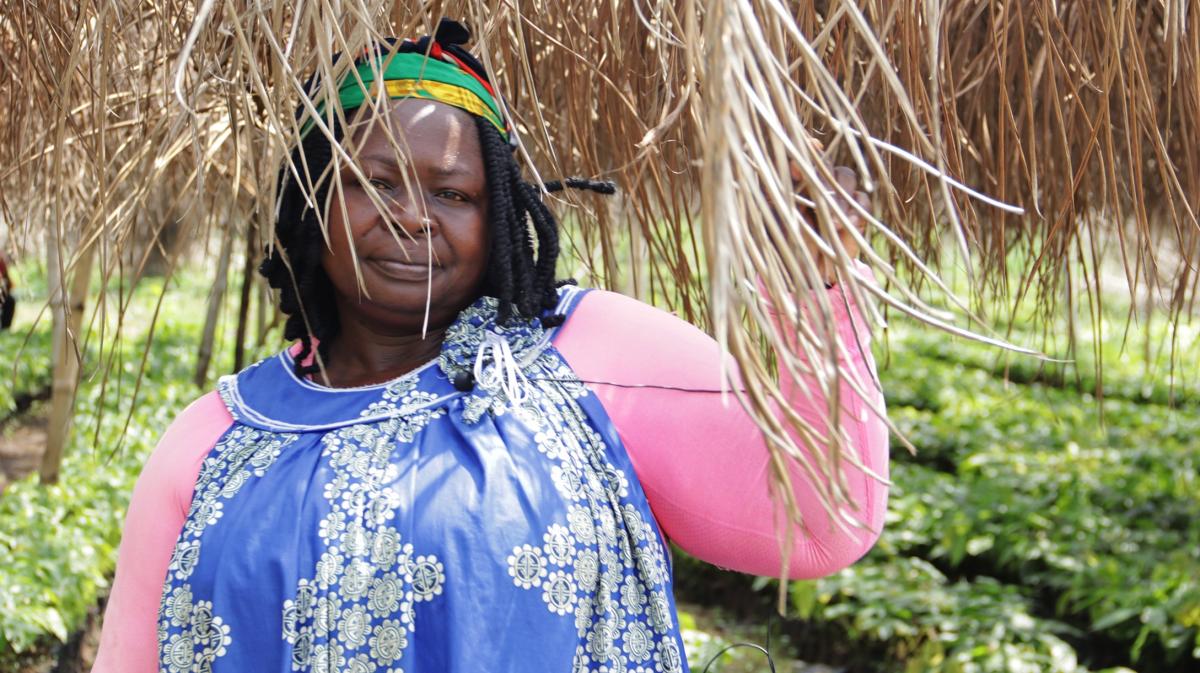
Marie Clarisse Ndengue in her nursery © S. Koutchou Mbougueng, CIRAD
Marie Clarisse Ndengue: The main challenge is the climate, which has become particularly unpredictable. We now face very high temperatures and heavy rains, which makes it difficult to produce anything and to plan our activities. In the dry season in particular, seed quality suffers: they are not very good quality, which has a direct impact on the success of our nurseries.
Market constraints are another obstacle. We have to promote our seedlings in order to sell them, because if they stay in the nursery for a long time, they can become fragile, which makes them even more difficult to sell. So we have to find regular customers we can rely on.
Soil quality is also a big challenge: soils are poorer than they used to be, particularly because of the use of herbicides, which affect their fertility. This affects plant root development and slows their growth. To maintain good yields, we have to use fertilisers, which generally cost a lot of money. All these constraints make farming really hard work.
Before being planted in the nursery, cocoa beans are soaked in water to eliminate those that are defective © S. Koutchou Mbougueng, CIRAD
M.C.N.: Climate change has profoundly changed our farming practices, and nursery management is no exception. With the increase in temperatures and more frequent droughts, young cocoa seedlings now need much more water to survive and grow properly. This means watering more, and more often than before, which takes time and effort.
This change, which is vital to preserve seedling quality, also has a concrete, significant cost. To supply our nurseries with water, we use an electric pump that requires fuel. On average, I spend almost 6000 CFA francs a week on fuel, which is a significant extra cost. However, it is important to keep our efforts up, as the health and vigour of our young seedlings governs the success of the future crop.
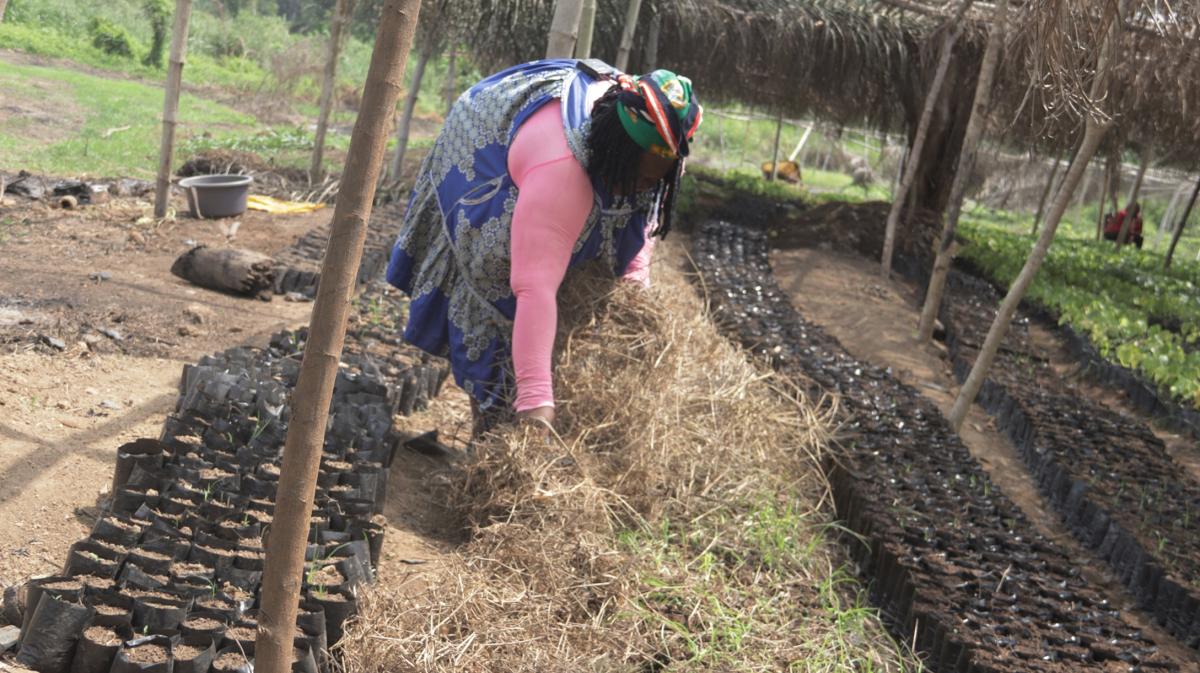
To retain moisture and protect her seedlings from the heat, Marie Clarisse Ndengue covers them with dried grass © S. Koutchou Mbougueng, CIRAD
M.C.N.: This year's International Women's Day focuses on the notion of "rights" and "justice", which reminds us of the importance of equality. Women often still have to prove themselves on the ground in order to be seen as legitimate. For instance, my mother has bought 30 hectares of land in Djolé, 78 km from Ntui, that my brothers and I are going to farm. She is giving all of us an equal chance to succeed.
In concrete terms, to empower women, we need more initiatives like the LVAD project, which helps us produce food crops sustainably. This type of support, through training, access to resources and technical backup, helps us become more independent and increases our productivity, while boosting our role in agriculture.
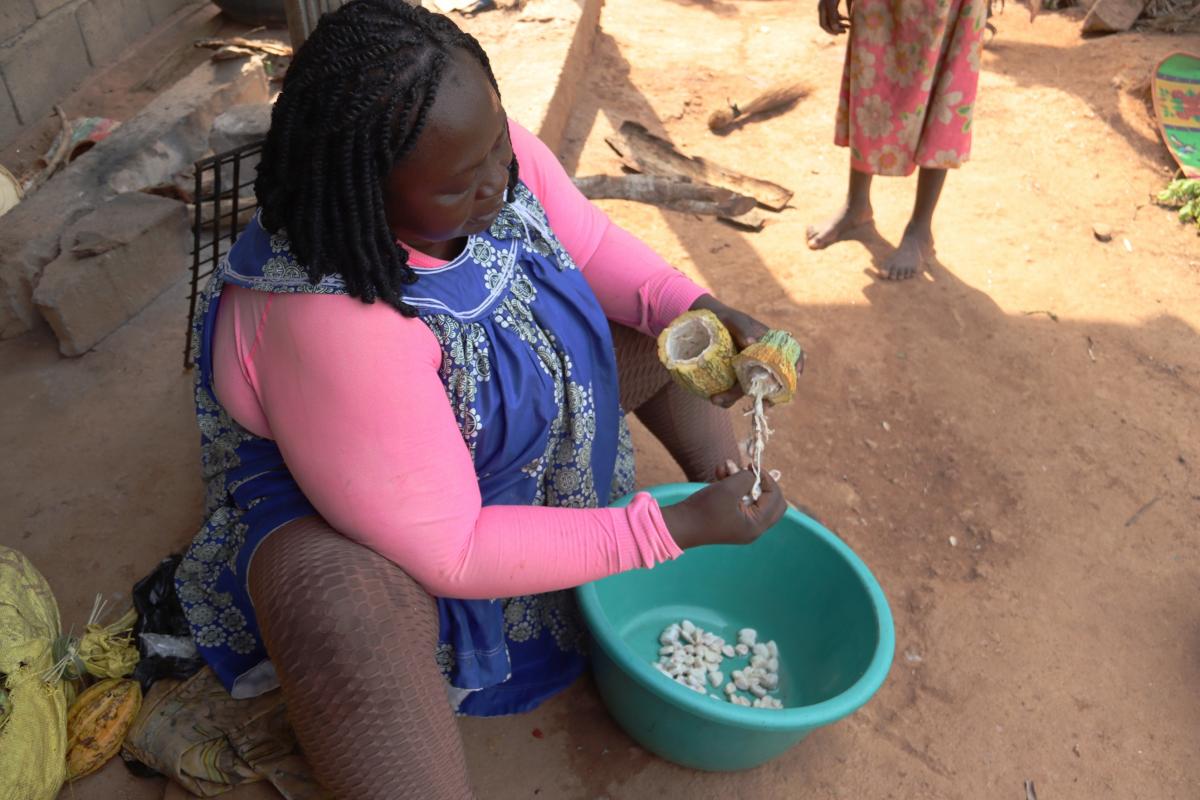
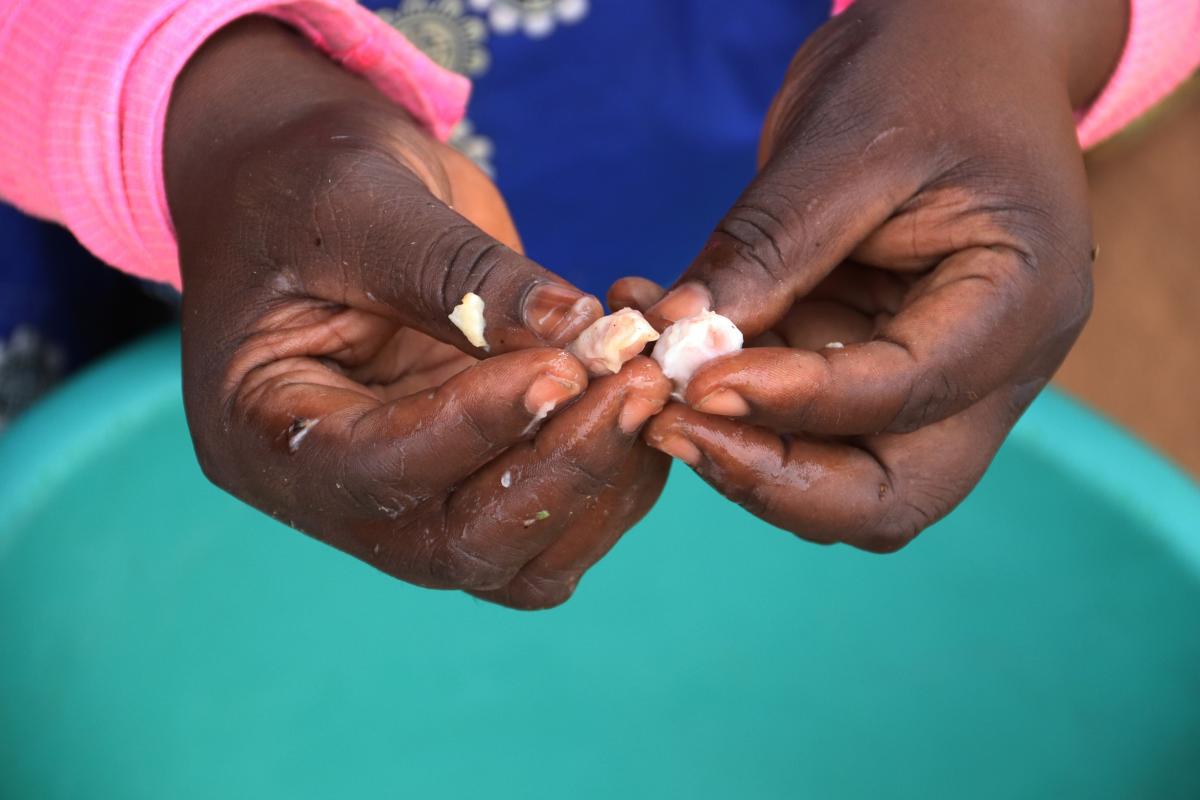
Marie Clarisse Ndengue carefully takes the cocoa beans she will sow in her nursery out of their pods © S. Koutchou Mbougueng, CIRAD

Expert view 12 October 2026
Expert view 7 September 2026