











Just out 10 November 2026

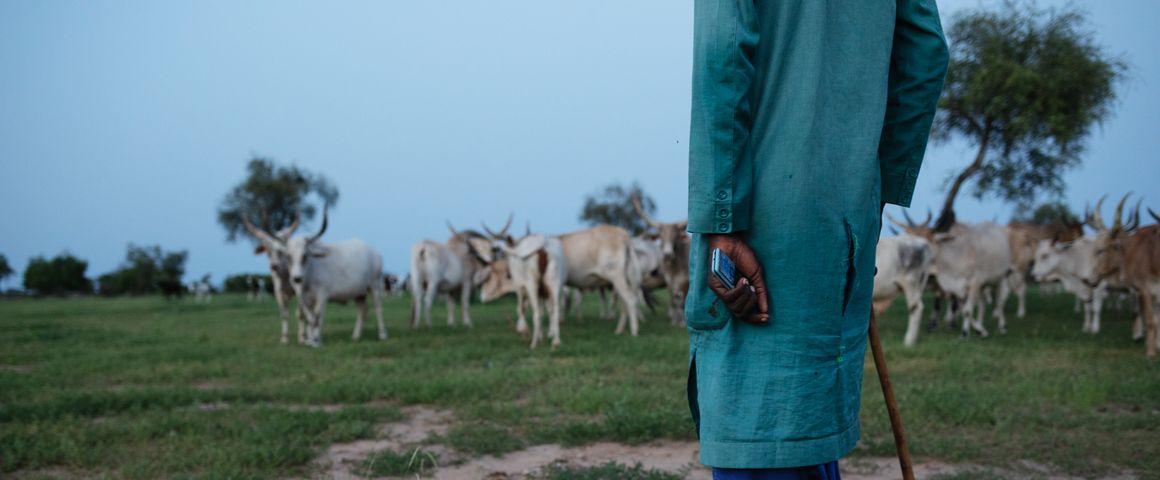
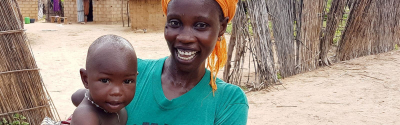
Pastoralism, a source of inspiration for addressing modern issues © Cytrynowicz (Fracture numérique project)
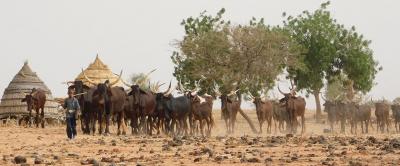
Several hundred million people worldwide rely on pastoralism for their livelihoods, and half of the world's land area is classed as rangelands. Pastoralists do more than just adapt to variability: they learn to live with and make the most of it, and use it to produce more and roll out their way of life. At a time when the adverse effects on ecosystems of agricultural models that gradually freed themselves from the environmental conditions of the mid-20th century through massive fossil fuel use are making themselves felt more than ever before, "living with" rather than "fighting" variability with the sober practices of pastoralism is a source of inspiration for re-thinking the relations between agriculture, humans and the environment.
This book contains contributions from specialists and non-specialists in pastoralism, looking at current issues (agroecology, shared access to land, reproduction of livelihoods, capitalisation, socioecological systems, durabilité, territorial governance, animal health, climate change, etc) through the lens of pastoralism. The book was based on a desire to articulate disciplines, which is necessary for broadening studies and changing viewpoints of pastoralism.
By sharing the attention paid to variability, mobility and links, the book invites us to re-think "how we do things", in other words how we produce, manage and safeguard, how we make things intelligible by means of science, and lastly how public policy administers, by showing that pastoral systems are not objects that can be administered in the standard way.
As the gbetween the conditions for preserving it and the policies that claim to support it widens (Bertrand, Blondeau Da Silva and Taurisson-Mouret, 2023), pastoralism is becoming a source of inspiration for coping with modern issues.
Ancey V., Ferrari S., Aubron C., coord., 2026. Penser avec le pastoralisme. Itinéraires de recherche, Versailles, Editions Quæ, 170 p.
Just out 10 November 2026
Just out 6 October 2026
Just out 24 June 2026