The crises currently facing the world's food systems are not primarily due to the conflict in Ukraine, although that is exacerbating global market tensions. The causes are older and more structural. CIRAD's scientists propose concrete action to ensure a sustainable transformation of food systems in an issue of Science Horizon, a document intended for policymakers.
The aim is to achieve food security without threatening biodiversity or the environment, exacerbating climate disruption or increasing socioeconomic inequalities.
Eight recommendations for action
- Take action in wealthy countries to control the pressure on international prices by limiting use of staple agricultural foodstuffs for non-food purposes and as animal food.
- Change production and consumption practices to achieve healthier diets that have less of an impact on resources: reduce animal product, sugar and fat consumption.
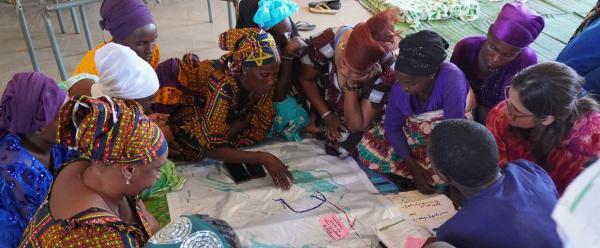
- Increase citizen participation and capacity, and public authority involvement in projects, to build more sustainable agricultural territories and food systems. Take inspiration from successful experiments (such as the PACTE and Urbal projects).
- Establish ways of making the transition to sustainable food systems, through systemic and critical assessments using tried-and-tested participatory methods.
- Develop more agroecological production systems, healthier, truly more sustainable food systems. To this end, use technical pointers (farming practices, rational fertilizer use, etc) and organizational proposals (methods that mobilize local players and guarantee the widespread adoption of innovations) resulting from projects (eg FAIR-Sahel or ASSET) that have proved their worth locally, t generate change on a broader scale.
- Build more ecofriendly processing and logistics operations for food systems: work on circularity and recycling, reduce wastage, improve eco-processing and process eco-efficiency, optimize waste and wastewater treatment, etc.
- Boost food and nutrition sovereignty, which will also alleviate poverty and help fight climate change by supporting more sustainable local food value chains.
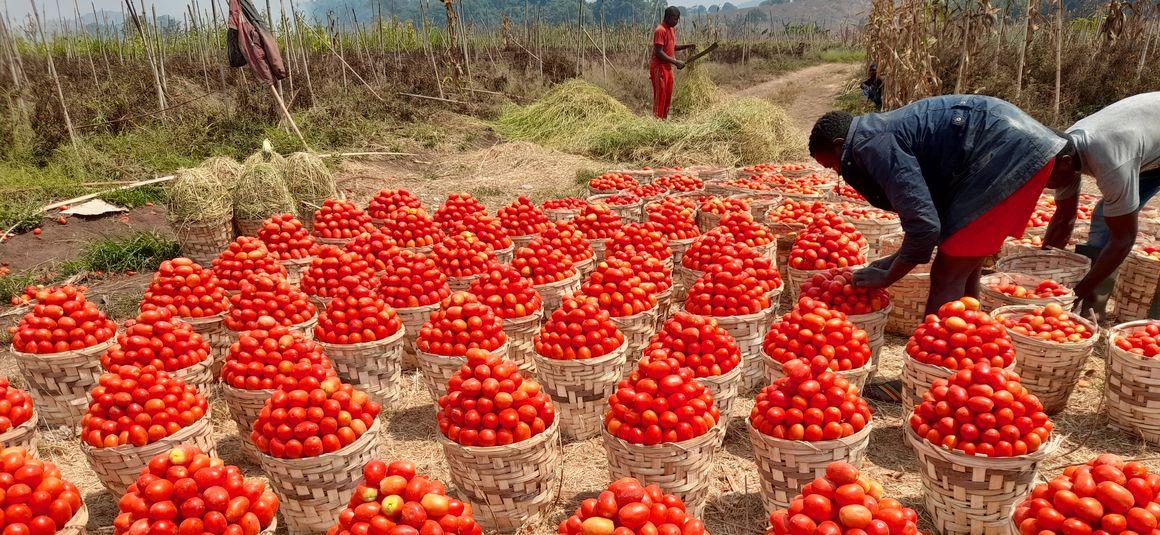
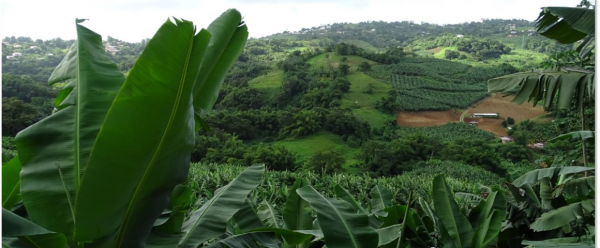
- For Africa, support products such as rots and tubers (cassava or cocoyam), plantain banana, sorghum, millet, fonio or rice, market gardening, and domestic horticultural value chains aimed at diversification.