Exploiting wood diversity to protect tropical forests more effectively
Science at work9 September 2026
Exploiting different types of wood means managing their biodiversity sustainably. This is the challenge community enterprises in the Maya Biosphere Reserve in Guatemala have taken up, with support from CIRAD as part of the ConForMa project. The approach was highlighted at the Carrefour International du Bois 2026, which revealed new prospects for marketing and international cooperation operations.
Exploiting a range of little-known tropical woods on global markets is a powerful lever for promoting forests and guaranteeing their sustainable management.
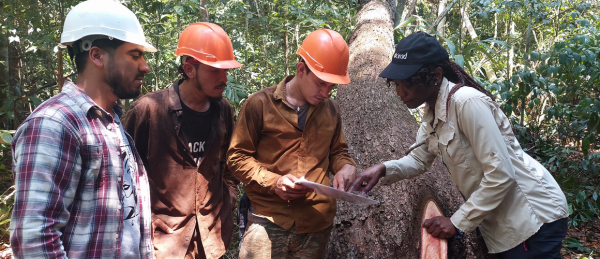
In Guatemala, the ConForMa project is supporting a sustainable community management model that combines forest conservation and economic and social development.
One of the central challenges is introducing lesser-known woods on European and global markets, while keeping prices competitive.
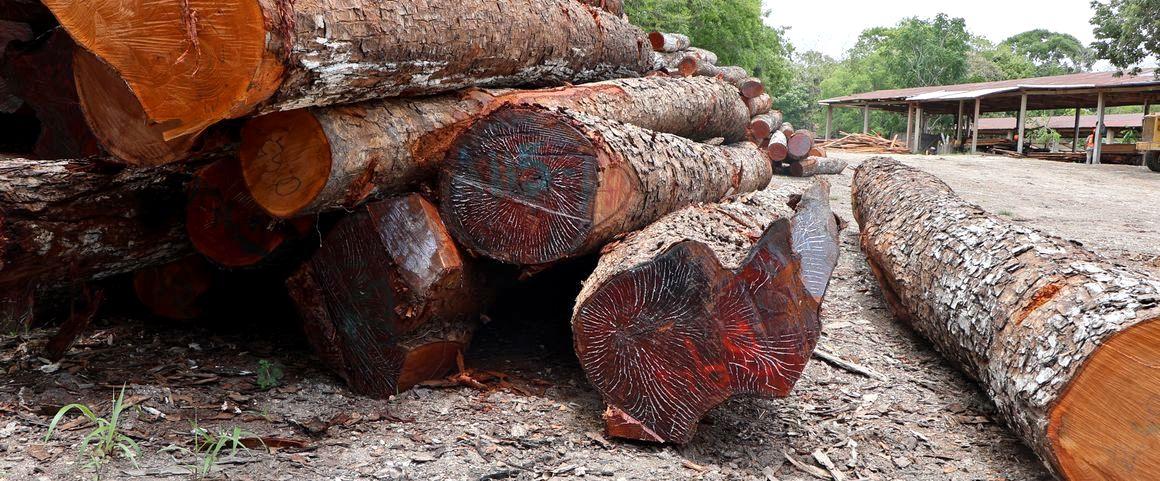
Tropical forests are home to a broad range of wood species. However, global wood markets focus on a very small number of species and overlook a major share of that diversity. This disparity creates pressure on the best-known, most widely marketed species, upsetting the balance of forest ecosystems.
In view of this, exploiting less familiar woods that nevertheless have worthwhile technical characteristics and real commercial potential could have both economic and ecological benefits. Promoting them would open up new markets and diversify income sources for forest management enterprises, while helping to ensure more balanced logging that safeguards forest biodiversity.
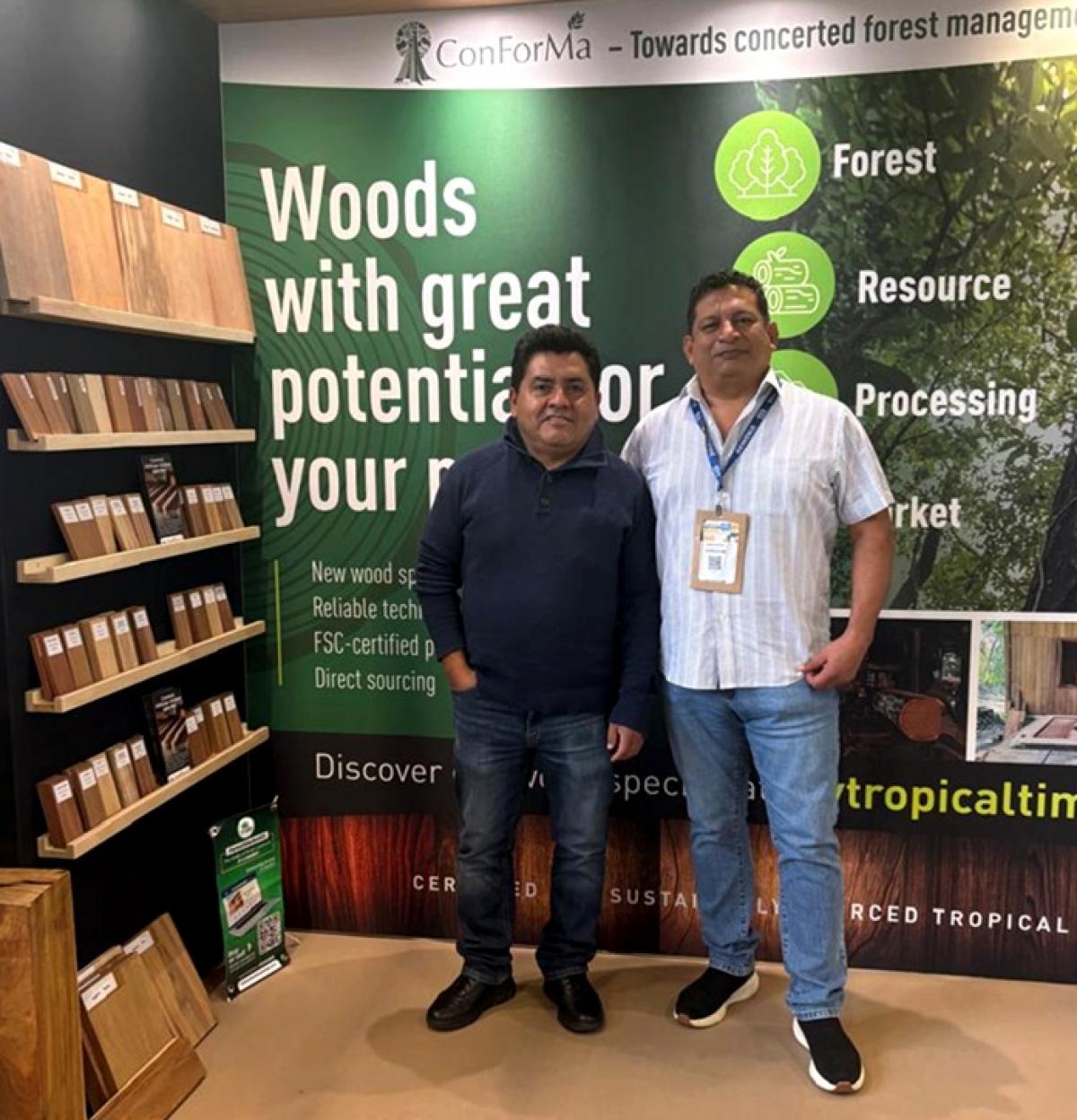
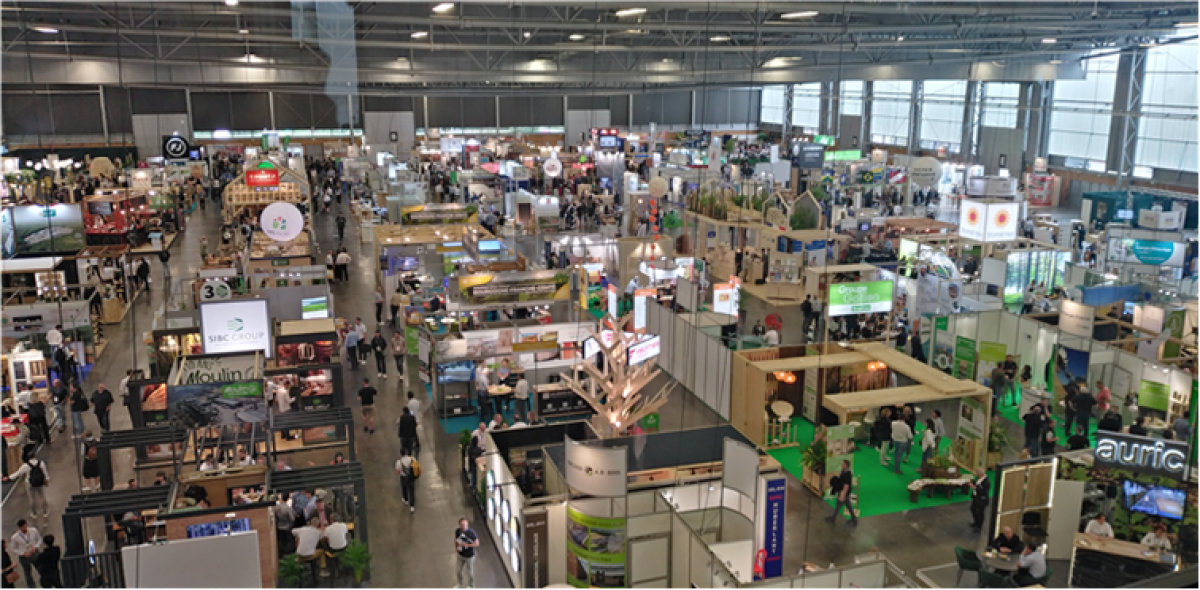
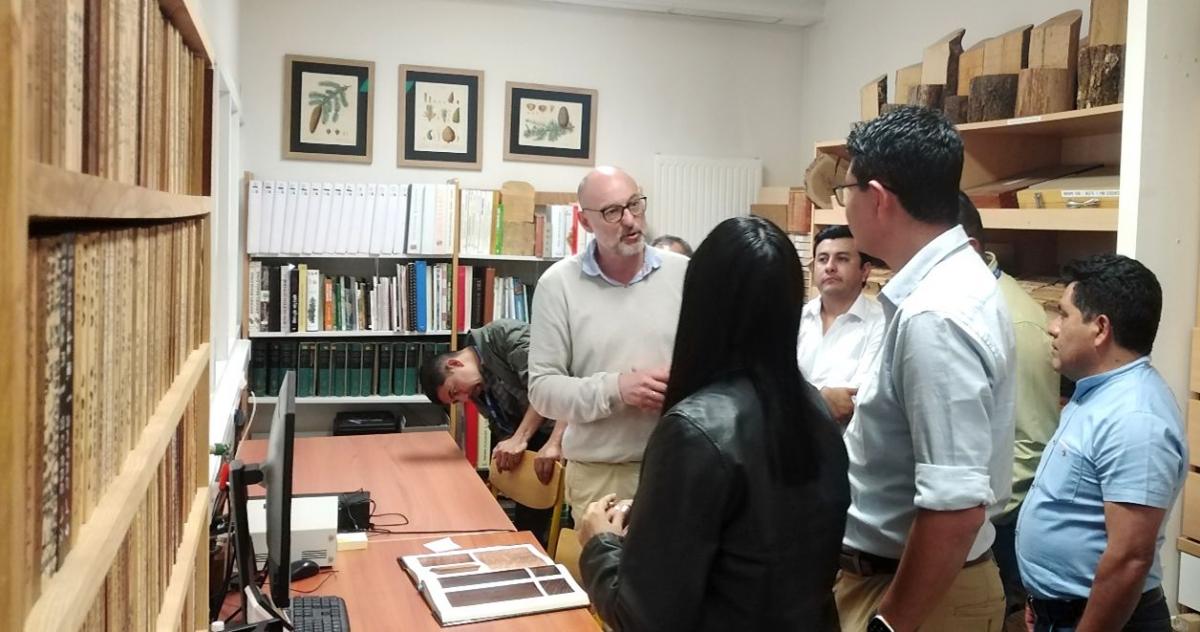
These factors prompted the ConForMa project's participation in the Carrefour International du Bois in Nantes. It allowed the Guatemalan delegation who attended to appreciate the European market's growing interest in alternative woods from certified forests, which offers new prospects for producers from the global South. The talks held at the show highlighted the importance of broadening the range of woods used, to spread logging operations and reduce the pressure on certain species, to boost the sector's diversity and economic viability.
Carrefour International du Bois
The Carrefour International du Bois in Nantes, France, is one of the leading European professional shows devoted to wood value chains. Every other year, it brings together buyers, importers, industrialists and international cooperation players to look at the issues surrounding the wood trade and sustainable wood resource management.
Community management, a model that benefits forest biodiversity
The Maya Biosphere Reserve (MBR) in Guatemala is a concrete example of forest management that combines economic exploitation and biodiversity preservation. The community entrerprises involved manage their forestry concessions by means of sustainable practices certified by the Forest Stewardship Council (FSC). This international label guarantees respectful operations and products in terms of ecosystems, resources, research and sourcing.
However, merely producing is not enough. On European markets, there is little room for lesser-known tropical woods, for want of information on their characteristics. CIRAD is helping communities to remedy this. Under the ConForMa project, it is working to document the properties of the woods with which buyers are least familiar (strength, density, suitability for woodworking, etc), in the form of technical reference sheets. In the hands of European buyers, these documents should open up new commercial outlets.
Guatemala’s community forest concessions are a success in every respect. The forest is being conserved more effectively by indigenous communities practising sustainable logging than in neighbouring protected areas. As the 16th Biodiversity COP in Cali (Colombia) draws to a close, we shine the spotlight on this inspiring example.
Trade is not the only issue here. By generating income, exploiting new types of wood improves community livelihoods while giving them the means to continue conserving their forest and managing it sustainably. It is a virtuous circle: making better use of wood diversity protects the forests that produce those woods and gives local people new alternatives.
ConForMa project
The ConForMa project, launched in Guatemala in 2025, aims to boost community forest management in the Maya Biosphere Reserve. It is coordinated by CIRAD and associates CEMCA, CATIE, Rainforest Alliance, ATIBT and ACOFOP. The project is helping local communities to preserve forests, restore ecosystems, develop sustainable economic activities and strengthen local governance, with the aim of making this model a benchmark for other tropical forests and communities.
Working together, for greater impact
Promoting tropical community forests requires joint efforts by research, trade and conservation players. Following the Carrefour International du Bois, ATIBT, Rainforest Alliance and COPADE have committed to draft a concept note defining how little-known woods could be promoted on a global scale.
The ConForMa project will be contributing to this through its promotion, technical knowledge production and community enterprise skill-building activities. The initiative should help position the MBR community forest management model as an international benchmark for sustainable tropical forest management, in order to steer the international market towards more diverse, virtuous economic exploitation to support vulnerable local communities.