




















Just out 25 September 2026

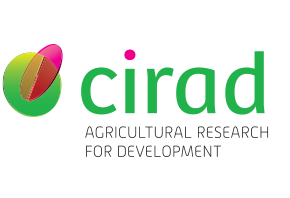
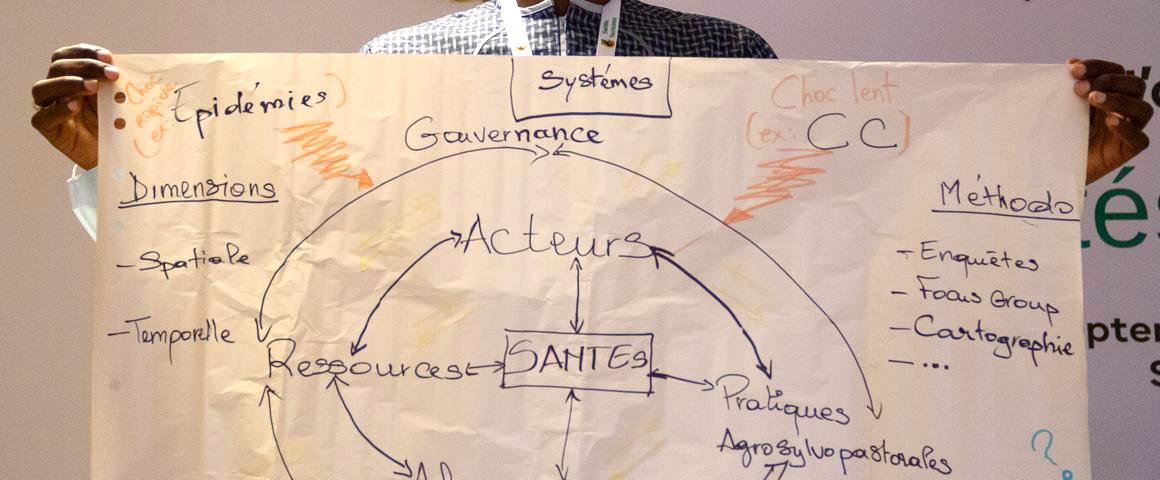
Workshop on One Health systems in Senegal, associating scientists, veterinarians, crop farmers, livestock farmers, etc. © R. Belmin, CIRAD
For CIRAD, EMBRAPA (Brazil) and AGROSAVIA (Colombia), understanding the impacts of their research work is not just a necessity but a responsibility. The three organizations all have a remit for agricultural research, and have each, in their own way, rolled out a "culture of impact ".
This culture aims to improve our understanding of the social, economic and environmental changes and impacts to which research activities contribute. In agriculture, scientific results can result in innovations and in changes in how work is done, hence in societal change.
For CIRAD, building a culture of impact means raising awareness among scientists and partners and notably encouraging questioning relating to the impact of research. In practice, this has meant in-depth retrospective analyses, support at the operational planning stage, and methodological back-up, among other things. EMBRAPA has concentrated on the general systematization of impact analyses of its agricultural technologies and innovations, while AGROSAVIA has adapted EMBRAPA's method to its own requirements. Over the years, the three organizations have built teams and resources devoted to the development of such a culture.
While the aim remains the same, the ways of building a culture of impact should therefore be adjusted in line with the context and organizational structure of each institution.
Introducing a culture of impact is not just a choice on the part of a research organization. It is also enabled by structural and financial support from the research ecosystem. This support is vital, and is also the responsibility of donors, policymakers and the authorities.
Read Perspective 66 – A "culture of impact": what can research organizations gain from it?
At CIRAD, the culture of impact benefits from a specific team and an approach, both called ImpresS. In particular, the team includes educational engineers who help scientists with their questions. It has already supported more than 1000 people ahead of or following research projects. The approach offers methods and tools to allow scientists to monitor and assess the impact of their work.
Just out 25 September 2026

Just out 27 July 2026