









Institutional news 4 November 2026
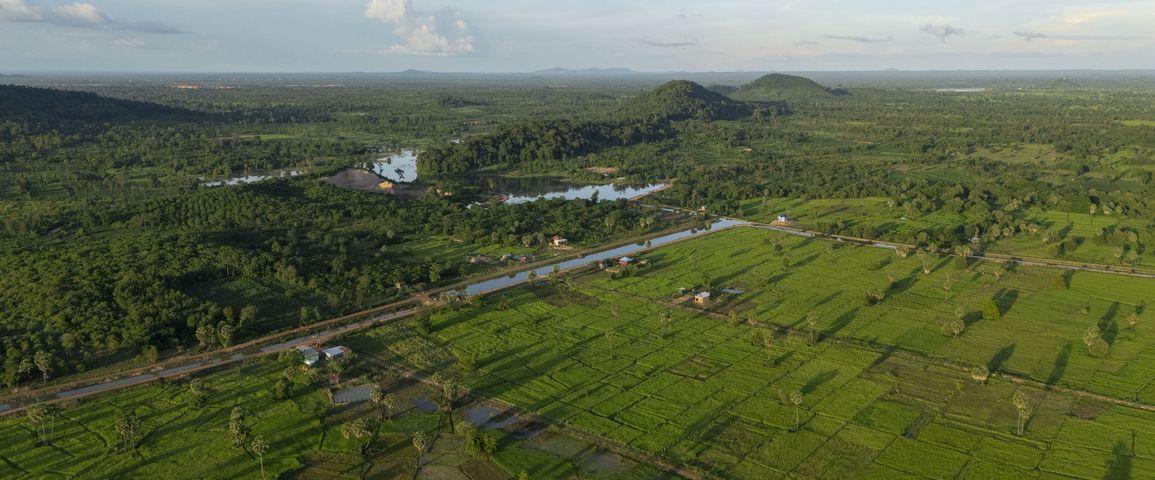
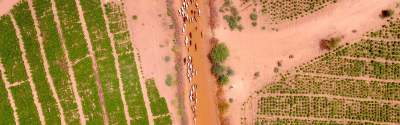
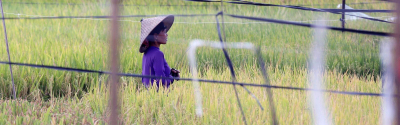
Rovieng, in Preah Vihear province, northern Cambodia © Mathilde Sester, CIRAD
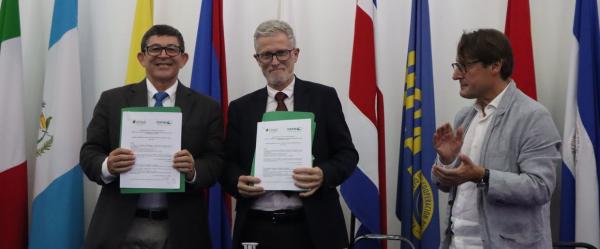
Alongside the XXth Sommet de la Francophonie in Phnom Penh, France and Cambodia signed an intergovernmental agreement setting out CIRAD's activities in Cambodia, including a permanent representation in the country. The agreement is accompanied by a declaration of intent regarding agricultural cooperation.
Éléonore Caroit, French Minister for French-Speaking Countries, International Partnerships and French Citizens Overseas, signed the two agreements on behalf of France, at a ceremony in the Palais de la Paix presided by the Cambodian Prime Minister Hun Manet and French President Emmanuel Macron, attended by Acting CIRAD CEO Anthony Farisano.
Through the signing of the agreement between the government of the French Republic and that of the Kingdom of Cambodia, Cambodia recognises CIRAD's legal personality and capacity, which are necessary for its work in the country. This provides a framework for its research in partnership with Cambodian institutions and for training operations.
Cambodia is looking to improve the quality and value of its agricultural products, while safeguarding family farmers' incomes. Soil and water degradation, climate hazards and health risks call for combined responses. The signing of the declaration of intent in terms of agricultural cooperation between Cambodia and France establishes a link between these challenges and Cambodia's priorities as regards training and improved organisation of agricultural research on a national scale, notably thanks to the new Cambodia Agricultural Science Academy (CASA).
For France, this cooperation is a concrete reflection of its action in favour of food security, biodiversity and health. CIRAD's installation, articulated with the Embassy, IRD, AFD and the Institut Pasteur in Cambodia, is an asset to science diplomacy in the Mekong region and the Indopacific area. Researcher training and academic networks also help support science in the French-speaking world.
CIRAD has around ten resident expatriate researchers and a portfolio of some 30 projects in Cambodia, supplemented by scientific missions from Montpellier or from Southeast Asia. Its partners include the Ministry of Agriculture, Forestry and Fisheries (MAFF), the Cambodia Agricultural Science Academy (CASA), several universities and the Institut Pasteur in Cambodia. Funding from France (Ministry of Europe and Foreign Affairs and AFD) and the EU supports its four complementary contributions:
By cementing the long-term future of CIRAD's presence in Cambodia, this agreement allows us to involve our Cambodian partners more closely in choosing research priorities and implementing operations. This will ensure that the results of this work are useful to farmers and inform the country's public policy.
The Ministry of Agriculture, Forestry and Fisheries of the Kingdom of Cambodia on the one hand and the Ministry of Agriculture, Agrifood and Food Sovereignty and Ministry of Europe and Foreign Affairs of the French Republic on the other hand have declared their intention to revitalise dialogue, institutional and commercial exchanges and bilateral cooperation, notably in the fields of research and training, geographical indications, food security, the One Health approach, market access and agrifood investment.
Institutional news 4 November 2026
Institutional news 22 October 2026