









Event 9 December 2025

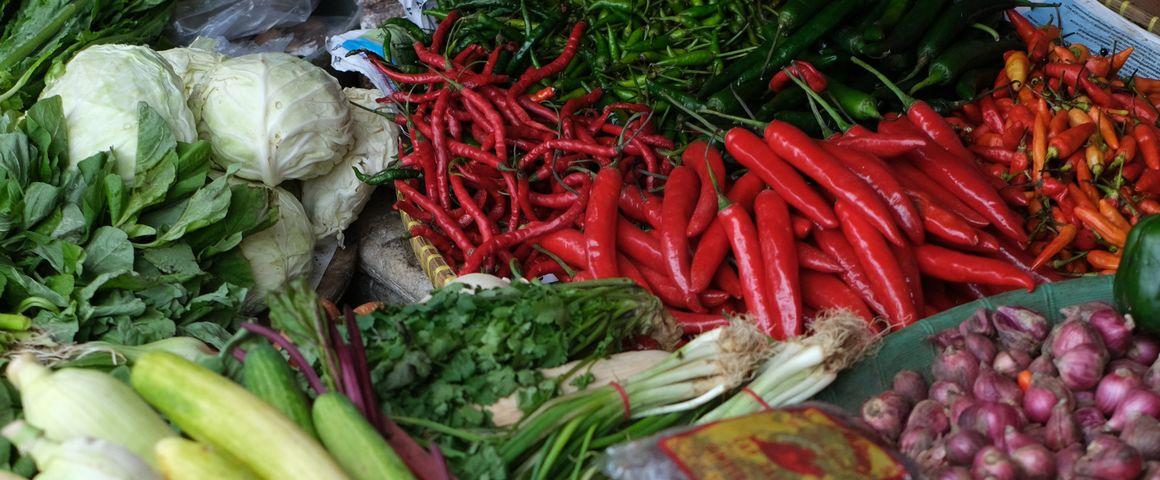
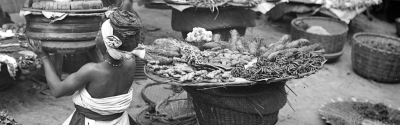
Vegetables on sale at a fresh produce market in Jakarta (Indonesia) © A. Rival, CIRAD
"Unlocking horticulture’s potential is key to transforming agrifood systems and delivering healthy diets for all." So said the FAO Director General at IHC 2026, putting a strong message across: the horticulture sector guarantees healthy food systems. Its recent economic growth is clear proof of its potential, but there is also a vital need for investment, innovation and policy support.
CIRAD's scientists took part in some 15 symposiums during the congress, plus a number of workshops and meetings.
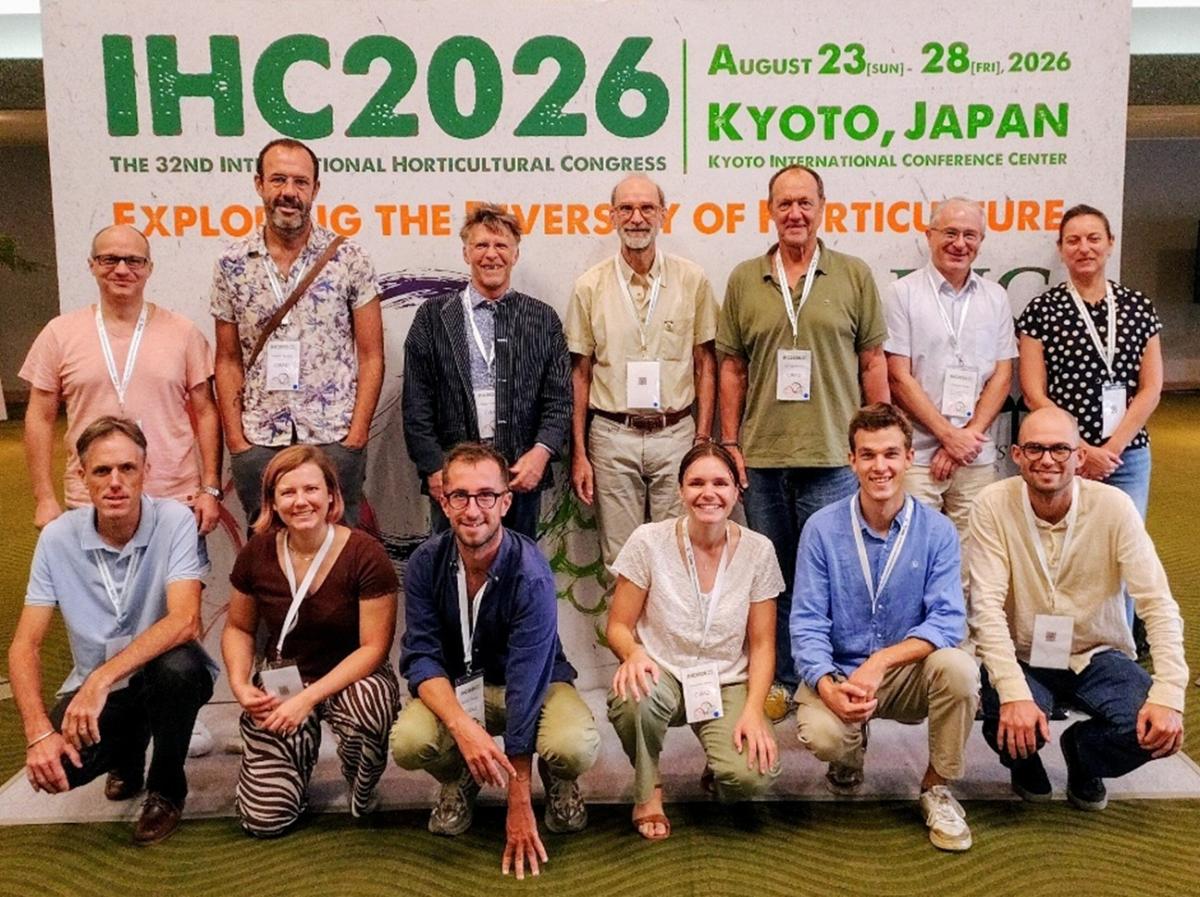
With 15 presentations at symposiums, CIRAD scientists (AGAP, GECO, HortSys and QualiSud research units) accounted for almost half the French presentations at the congress (32 French scientific presentations out of a total of 2300) © DR
The International Horticultural Congress is held every four years. It mainly brings together scientists, to discuss the latest research progress in various fields and disciplines: varietal breeding programmes using gene editing, agroecological pest and disease control techniques, optimising postharvest methods, etc. The symposiums and scientific presentations shone the spotlight on one clear fact: all these innovations will be pointless unless they are of use in farmers' fields and on consumers' plates.
"More than half of the world's fruit and vegetables come from farms of less than 20 hectares", says CIRAD agronomist and horticulture research coordinator Rémi Kahane. "In Asia and sub-Saharan Africa, smallholdings account for 80% of what is produced."
Innovations developed by research must therefore take account of those small structures, notably by involving farmers in designing and implementing research projects. The other main challenge is to make emerging innovations accessible, in terms of both their impacts and how they can be adopted.
"The horticulture sector holds great promise", Rémi Kahane adds. "Reducing pesticide use and boosting resilience to climate change and sanitary threats are a major part of our research operations at CIRAD. We work in partnership with many people and organisations in the global South: scientific institutions, agricultural advice services, farmers' organisations, agrifood processing firms, and so on. Networking and collaboration between all the stakeholders involved will help us move forward faster, hand-in-hand with farmers."
In the past 15 years, fruit and vegetable production worldwide has risen faster than cereal production. However, despite that impressive economic growth, per capita fruit and vegetable consumption across the world continues to fall short of FAO and WHO recommendations, at a daily average of 270 g compared to the recommended 400 g.
Event 9 December 2025

Event 19 December 2024

Event 3 December 2024