Carbon-based materials from biomass with adjustable properties
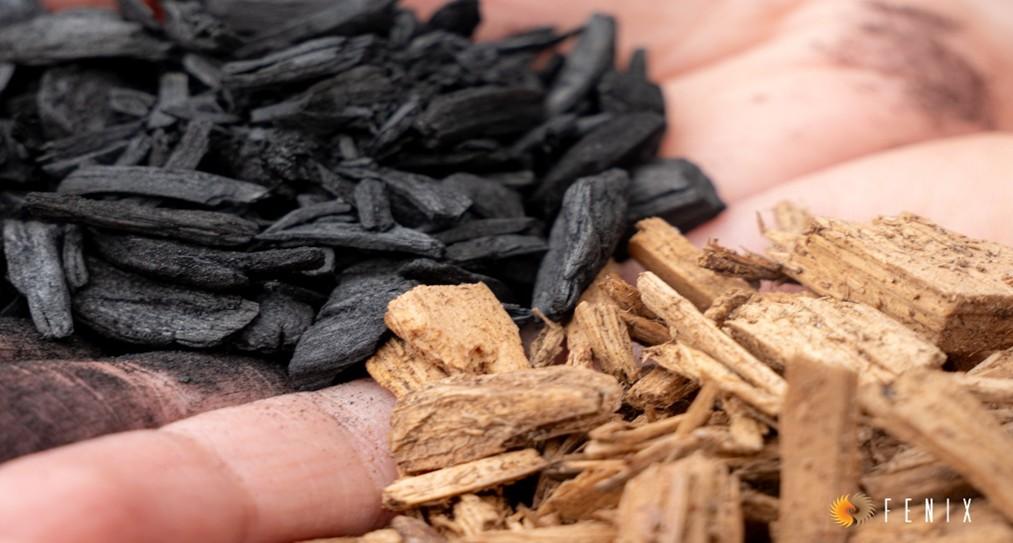
Carbon is an extraordinary chemical element, forming both the hardest material on Earth (diamond) and one of the most fragile (graphite in pencil tips). Biochar refers to a range of carbon-based materials produced from the pyrolysis of plant biomass.
Depending on their uses and targeted properties, these materials may be referred to as charcoal, activated carbon, biochar, or biocoke, reflecting a wide range of applications from wastewater filtration to agronomic, energy, or industrial uses.
The properties of biochar - such as its porosity, pH, elemental composition, and fixed carbon content - depend on both the nature of biomass and pyrolysis operating conditions. Understanding how these properties form allows us to tailor the material’s performance to specific applications.
Biochar : a key material for carbon storage and climate change mitigation
Biochar is a powerful lever for addressing major environmental challenges through the development of innovative solutions with a negative carbon footprint :
- Long-term carbon storage
- Reduction of greenhouse gas emissions
- Substitution of fossil carbon in certain industrial processes
- Recovery of organic waste within a circular economy framework
The IPCC identifies biochar as a negative emissions technology contributing to climate change mitigation (SR15_Chapter_4_LR.pdf).
Pyrolysis also generates co-products that can be used for energy production.
From pyrolysis process to performance : characterising and optimising biochar
Biochar performance varies significantly depending on :
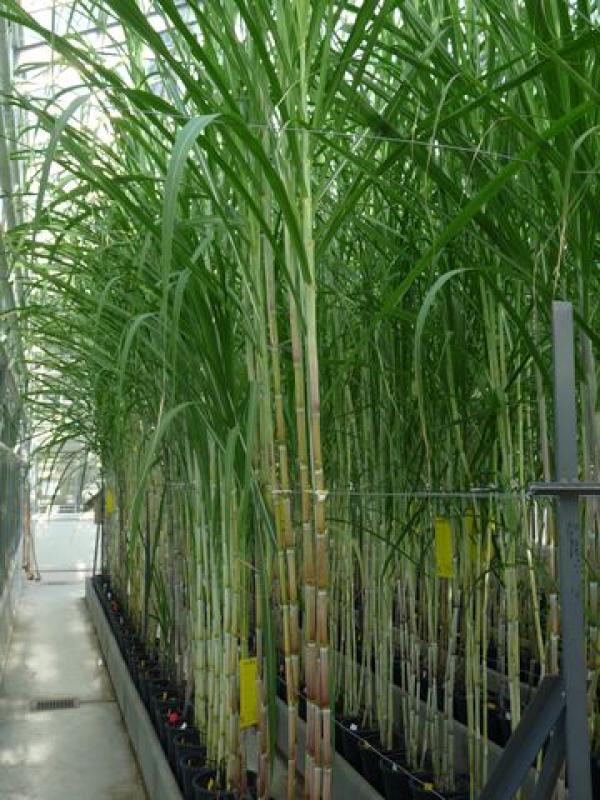
- type of biomass (agricultural residues, wood, organic waste)
- pyrolysis conditions (temperature, duration, gaseous atmosphere, process type, etc.)
- post-production treatments (activation, grinding, formulation)
In this context, research activities rely on an integrated, multi-scale approach (from gram to tone scale) aimed at :
- Optimising pyrolysis processes, from system design to performance evaluation
- Characterising biomass and biochar using standardised methods and specific protocols
- Analysing relationships between biomass, pyrolysis conditions, biochar properties, and performance in the targeted applications
- Evaluating system performance across different use contexts, including agricultural, environmental, and industrial applications
CIRAD notably contributes to biochar characterisation according to international standards such as the European Biochar Certificate (EBC), ensuring product quality and safety.
Biochar applications : agriculture, industry, and environment
Depending on its characteristics, biochar can be used across various sectors to address specific challenges faced by a wide range of stakeholders:
- Soil improvement: enhancing soil structure and quality in agricultural production or land restoration contexts
- Water, effluent, flue gas and gas treatment : adsorption of contaminants for environmental or industrial applications, including emission reduction
- Regulating or stimulating agents : catalytic or biological reactions (animal feed, anaerobic digestion)
- Steel industry applications : substitution of fossil carbon to reduce process-related emissions
- Materials : incorporation of biochar into matrices (construction materials, road surfacing, etc.)
These applications contribute to biomass valorisation and the development of solutions adapted to local contexts.
CIRAD’s expertise can support a wide range of stakeholders :
- From start-up to large companies, in organic residue valorisation, carbon footprint reduction, and fossil carbon substitution
- Agricultural and agri-food stakeholders, to improve resource management, valorise agricultural waste, and develop agroecological systems
- Engineering firms and consultancies, in process optimisation, development of new applications, and technical and environmental performance assessment
The research team
Experts in the Biomass, Wood, Energy and Bioproducts field within the BioWooEB Research Unit conduct both fundamental and applied research on biogenic carbon, focusing on the alignment between resources, processes, and targeted applications depending on the context (local, regional, national, etc.).
Their work includes multi-criteria evaluation of these systems, integrating environmental, economic, and social dimensions. In this framework, they develop specific research on biochar to understand the development of its properties and to optimize them in response to the needs of agricultural, environmental, and industrial applications.
References and Intellectual Property
Publications :
- PARRA-SERRANO, L. J.; COSTA, R. M. ; SOUSA, R. C. M. ; MATOS, S. S. ; FURTADO, M. B. ; NAPOLI, A. . Residual Effect of Babassu Biochar Associated with Mineral Fertilization on Soybean Crops. JOURNAL OF SOIL SCIENCE AND PLANT NUTRITION, v. 25, p. 1-8, 2026.
- Amélioration de la carbonisation en meule traditionnelle. Pinta François, Dubiez Emilien, Kalala Dieudonné, Volle Ghislaine, Louppe Dominique. 2013. In : Quand la ville mange la forêt : Les défis du bois-énergie en Afrique centrale. Marien Jean-Noël, Dubiez Emilien, Louppe Dominique, Larzillière Adélaïde. Versailles : Ed. Quae, 95-106. (Matière à débattre et décider) ISBN 978-2-7592-1980-3
- Efficiency of charcoal production in Sub-Saharan Africa: Solutions beyond the kiln. Schure Jolien, Pinta François, Cerutti Paolo Omar, Kasereka-Muvatsi Lwanga. 2019. Bois et Forêts des Tropiques, 340 : 57-70. https://doi.org/10.19182/bft2019.340.a31691
- VEGA, CÉSAR FLORENTINO PUMA ; MOTA, MAURO FRANCO CASTRO ; LOPES, ÉRIKA MANUELA GONÇALVES ; JÚNIOR, JOSÉ MENDES DOS SANTOS ; COLEN, FERNANDO ; FRAZÃO, LEDIVAN ALMEIDA ; PEGORARO, RODINEI FACCO ; PARRA-SERRANO, LUISA JULIETH ; NAPOLI, ALFREDO ; FERNANDES, LUIZ ARNALDO . Biochar from eucalyptus waste improves the chemical and biological properties of an Inceptisol and sugarcane yield over time under tropical conditions. PEDOSPHERE, v. 1, p. 1, 2025.
- RATNADASS, ALAIN ; LLANDRES, ANA L. ; GOEBEL, FRANÇOIS-RÉGIS ; HUSSON, OLIVIER ; JEAN, JANINE ; NAPOLI, ALFREDO ; SESTER, MATHILDE ; JOSEPH, STEPHEN . Potential of silicon-rich biochar (Sichar) amendment to control crop pests and pathogens in agroecosystems: A review. SCIENCE OF THE TOTAL ENVIRONMENT, v. 910, p. 168545, 2024.
- W. Arayedh; L. Van De Steene; K. Saleh; E. Daouk. Role of activation progress on textural properties of biochar and their impact on tar cracking. Chemical Engineering Science. 315. 121877. 2025
- A. Dufourny, L. Van De Steene, G. Humbert, D. Guibal, L. Martin, J. Blin. Influence of pyrolysis conditions and the nature of the wood on the quality of charcoal as a reducing agent. Journal of Analytical and Applied Pyrolysis, 137: 1-13. 2019.