


















Just out 24 June 2026

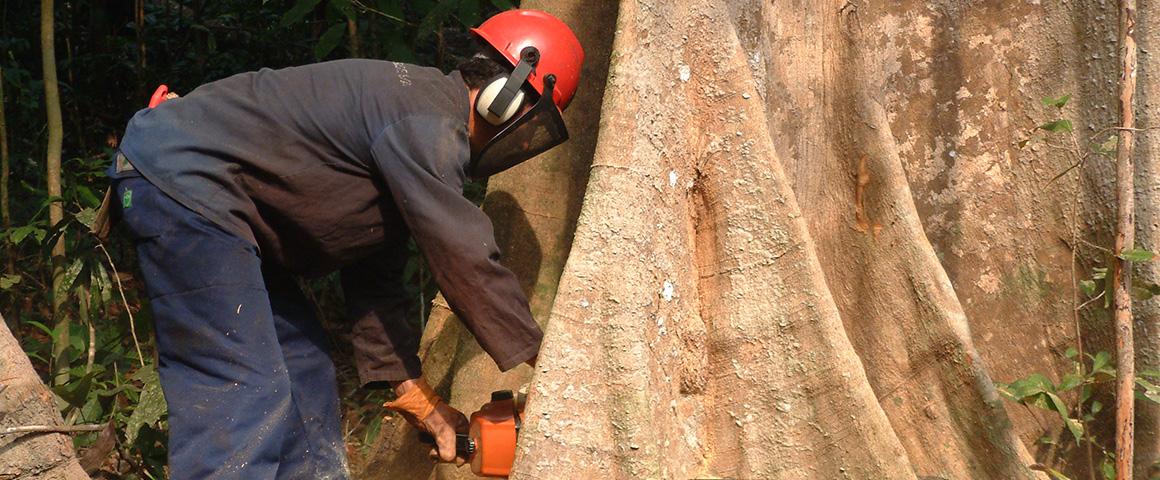
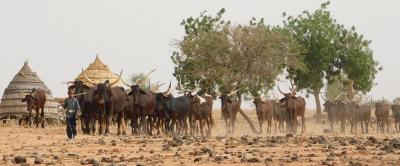
Selective logging to manage a community forest in the Brazilian Amazon © P. Sist, CIRAD
More than 400 000 000 hectares of tropical forest have been destroyed over the past 30 years. That deforestation has been compounded by forest degradation, which in some world regions such as the Amazon concerns just as large an area as deforestation. Preserving and conserving tropical forests is therefore now a priority for the survival of the human race.
The first method proposed consists in ringfencing forests by creating protected areas, thus limiting human use of their resources. The second centres on rational logging, to benefit local people and society in general. Foresters generally prefer this method, on the assumption that productive forests that generate both goods and services for local people, the state and society are more likely to be protected and conserved.
However, the reality at grassroots level is continuing to contradict that assumption. Illegal logging, which is still very widespread in many tropical countries, causes major damage to forests, and compromises their capacity to regenerate and resist the effects of climate change. Logging is therefore under fire and is often seen as the main source of deforestation.
This essay does not aim to rehabilitate logging, but to provide an objective, evidence-based picture, accessible to non-specialists in tropical forests, of the environmental effects of logging. It reveals the different possible ways of making logging a true tool for conserving tropical rainforests.
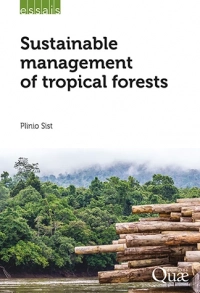
Sist Plinio (2024) Sustainable management of tropical forests, Editions Quae.
Available as a free eBook.
Just out 24 June 2026
Just out 12 June 2026
Just out 29 April 2026