
















Process study / engineering - Food and agrifood technology

Production of polyphenol-enriched extracts from olive mill wastewater
Olive vegetation waters, effluents generated by olive oil mills and commonly referred to as olive mill wastewater, are considered a source of pollution and are costly to dispose of. However, they contain a range of highly valuable phenolic compounds with biological activities sought after in cosmetics and functional foods.
As part of a research collaboration with Institut Agro Montpellier and the company Grap’Sud, CIRAD has developed a simple and eco-friendly process to recover antioxidant phenolic compounds from olive mill wastewater. This process enables the purification and concentration of low molecular weight polyphenols, such as tyrosol and hydroxytyrosol.
This alternative process allows their recovery directly within olive oil mills. The composition of the resulting products demonstrates strong stability over time.
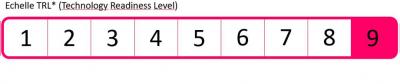
TLR9 - Technology Readiness Level
Environmentally friendly in many respects, the process :
Through this public–private collaboration, the agri-industrial group Grap’Sud transforms these effluents into an additional high value-added resource. These co-products are marketed to Grap’Sud clients in the sectors of dietary supplements, functional foods and cosmetics.
Co-developed with Grap’Sud, the process applied to olive mill wastewater is under exclusive licence and currently reserved for this company. However, further opportunities remain for collaborations on new raw materials, particularly effluents and waste derived from tropical and Mediterranean resources.
Share your needs by contacting our Cirad’Innov teams in full confidentiality.
An exclusive licence agreement has been signed with the company Grap’Sud for the exploitation of the patent.
Urban Nelly, Dornier Manuel, Pallet Dominique, Reynes Max. 2012. Paris : INPI, 22 p. N° de dépôt : 0900752, N° de brevet : FR2942224 B1, N° de dépôt international : PCT/FR2010/000137, N° de brevet international : WO2010/094860 A2, N° de brevet : PT2398756 T, N° de brevet : ES10708243 T, N° de dépôt européen : 10708243.0, N° de brevet européen : EP2398756 B1, N° de brevet : BRPI1008591 A2
Process study / engineering - Food and agrifood technology
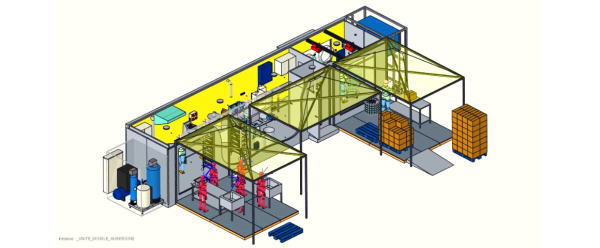
Process study / engineering - Food and agrifood technology - Food and agrifood technology
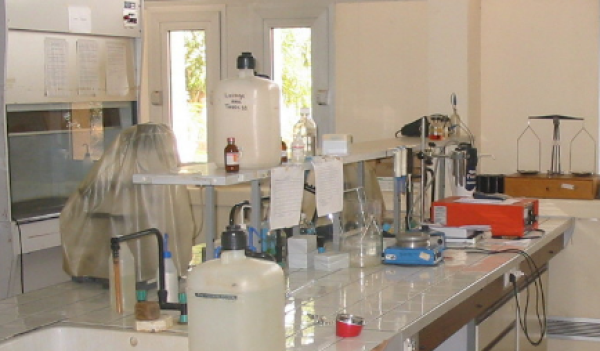
Process study / engineering - Sustainable agriculture - Food and agrifood technology