













- Home
- Worldwide
- CIRAD worldwide
- Projects
- ASC KORLOM Project
Support for family oil palm plantations in the savannah areas of Kasaï Oriental and Lomami (KorLom) in the Democratic Republic of Congo - ASC - KorLom
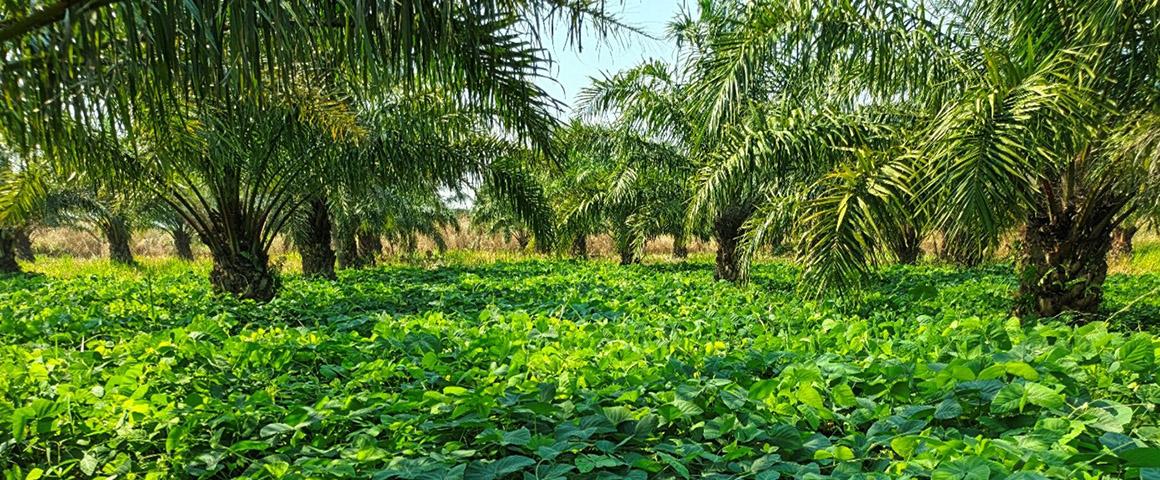
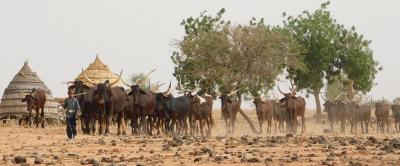
Photo ASC Korlom © Alain Biragi, ENABEL
In the savannah areas of Kasaï Oriental and Lomami in the Democratic Republic of Congo, red palm oil production is a key economic activity for smallholder farmers. However, it faces significant agroecological challenges: acidic soils, low fertility and suboptimal farming practices. In addition, the oil palms grown are typically local varieties with low yields.
Introducing improved oil palm varieties in this area could help to diversify smallholders’ incomes and to protect the Congo Basin forests by reducing deforestation. In addition, the consumption of red palm oil in these provinces plays a major role in combating vitamin A deficiency, the leading cause of blindness. However, the artisanal methods used to extract and preserve red oil differ from one producer to another, and the impact of these methods and of the plant material used on the oil’s fatty acid and vitamin composition is still not well understood.
This project addresses three challenges:
- economic: improving productivity through agroecological approaches in order to increase village producers’ incomes;
- environmental: promoting sustainable oil palm cultivation that preserves local ecosystems;
- nutritional: exploring ways to improve the quality of the oil consumed.
A multidisciplinary and action research approach to develop shared solutions with stakeholders
The ASC-KorLom project combines agronomy and plant physiology to optimise village palm oil production and processing systems. It is based on:
- surveys and audits to assess the status of oil palm plantations and the artisanal processing methods used;
- participatory trials in village plantations to test suitable fertilisation methods and ground cover crops (in particular legumes) to improve oil palm nutrition (nitrogen, chlorine, water) and soil water retention;
- laboratory chemical analyses to measure the impact of different practices on the nutritional quality of the oil produced, whether from improved varieties or local varieties.
The project is based on action research conducted in collaboration with farmers, field agronomists from ENABEL and the Provincial Inspectorate of Agriculture and Food Security in the two KorLom provinces, and scientists from INERA, in order to co-develop solutions tailored to local conditions.
Strengthening skills and transforming local practices
The project aims to change local producers’ practices and build their capacities. Significant benefits are expected.
- For the sector:
- knowledge on the cropping and processing systems used by farmers;
- an assessment of the health and nutritional status of oil palms, along with the fatty acid and vitamin composition of oil extracted and preserved using current artisanal methods;
- scientific benchmarks for optimal production and processing practices, validated under real conditions.
- For farmers:
- adoption of sustainable farming practices (fertilisation, water management, intercropping with legumes);
- improved management of oil palm plantations, including regular maintenance and suitable intercropping systems;
- knowledge on oil composition according to post-harvest fruit handling (storage time, additives) and variety.
- For technical partners:
- acquisition of knowledge on diagnostic tools and research methods applied to oil palm;
- development of skills in agroecological management of oil palm plantations.
Partners
- ENABEL;
- INERA;
- IRD.